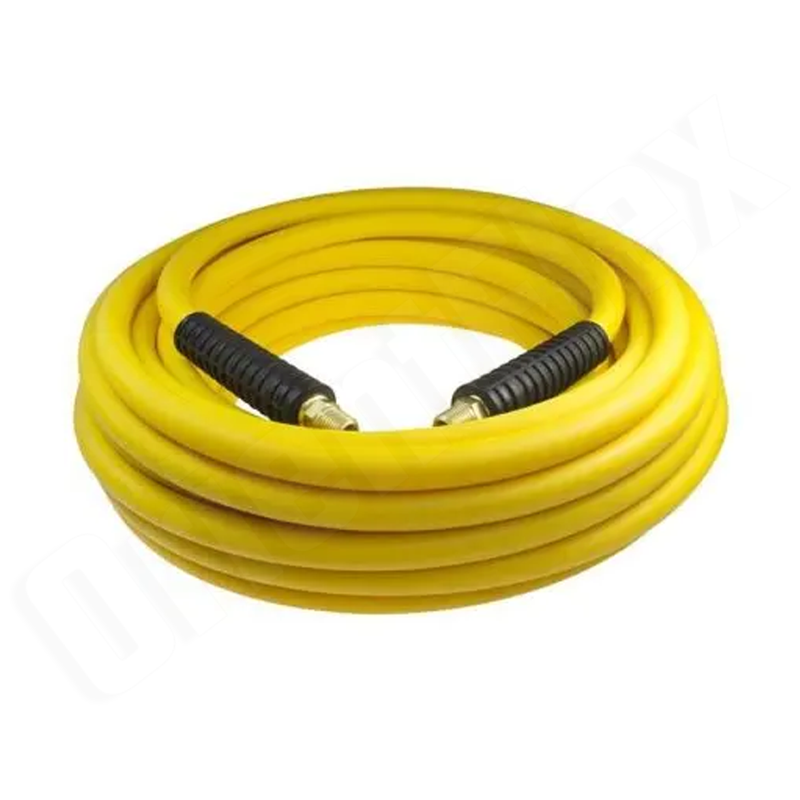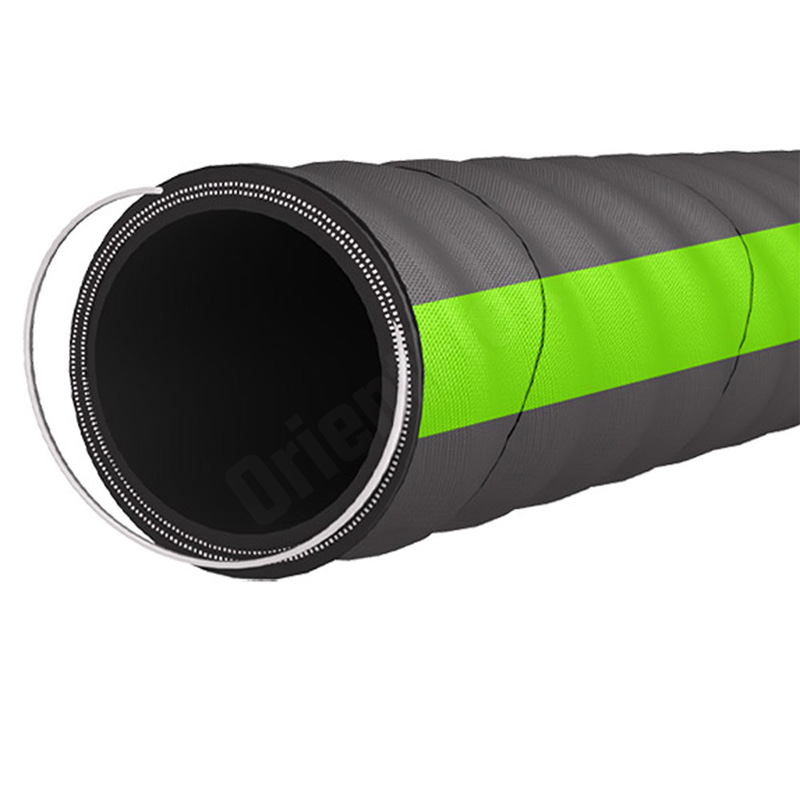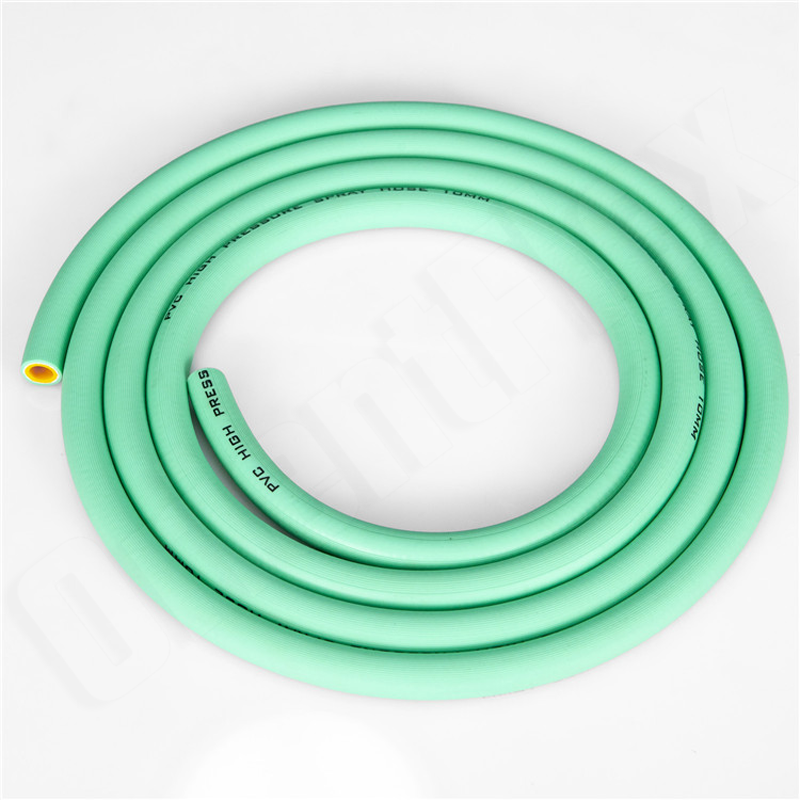
Featured HVAC Ventilation & Exhaust Solutions
Explore our premium selection of flexible duct hoses engineered specifically for high-efficiency commercial HVAC air distribution, exhaust systems, and high-temperature ventilation needs.
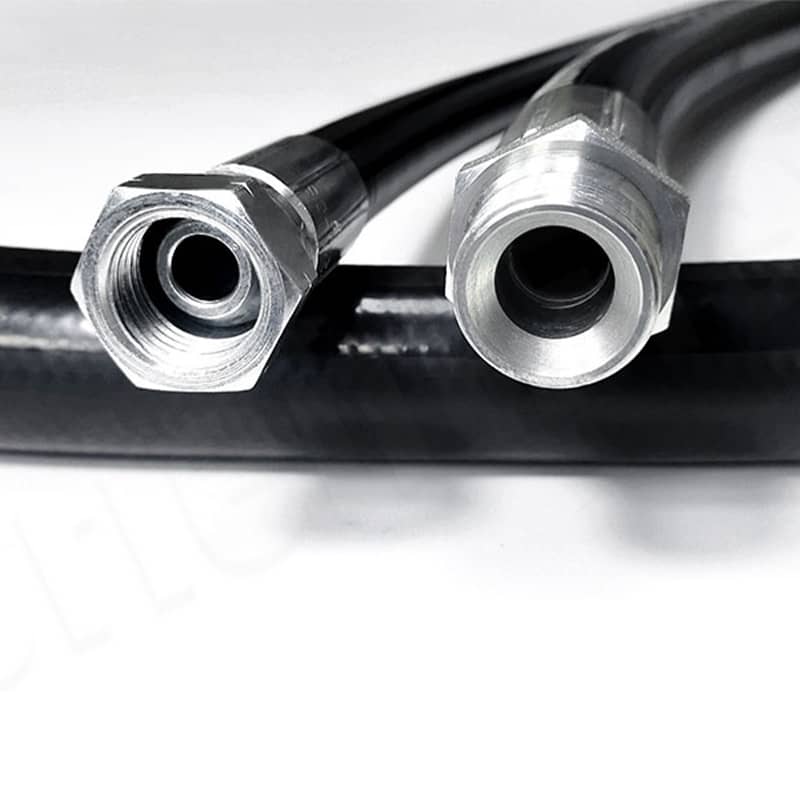
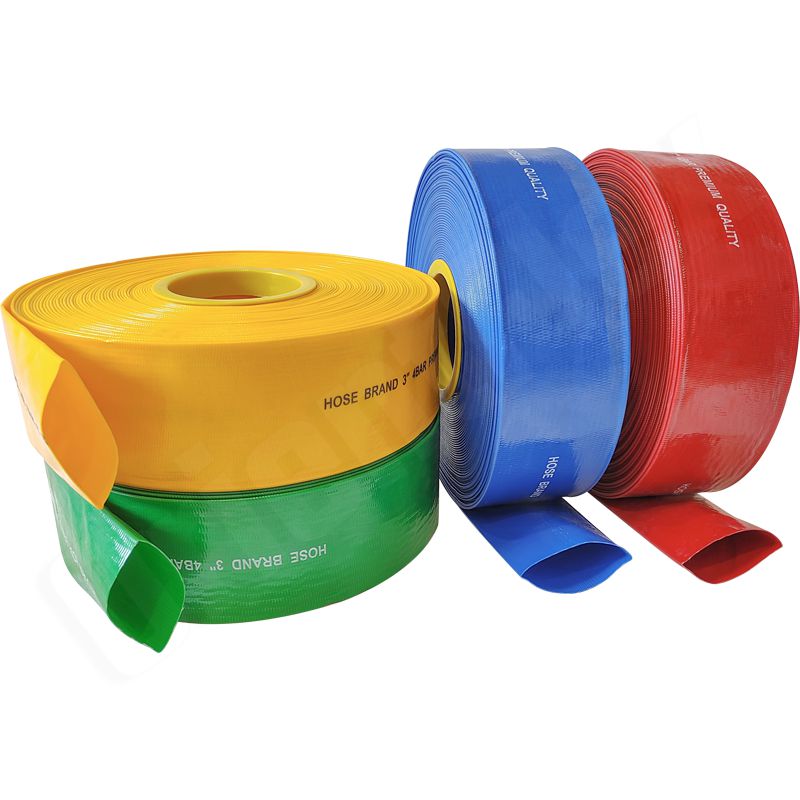
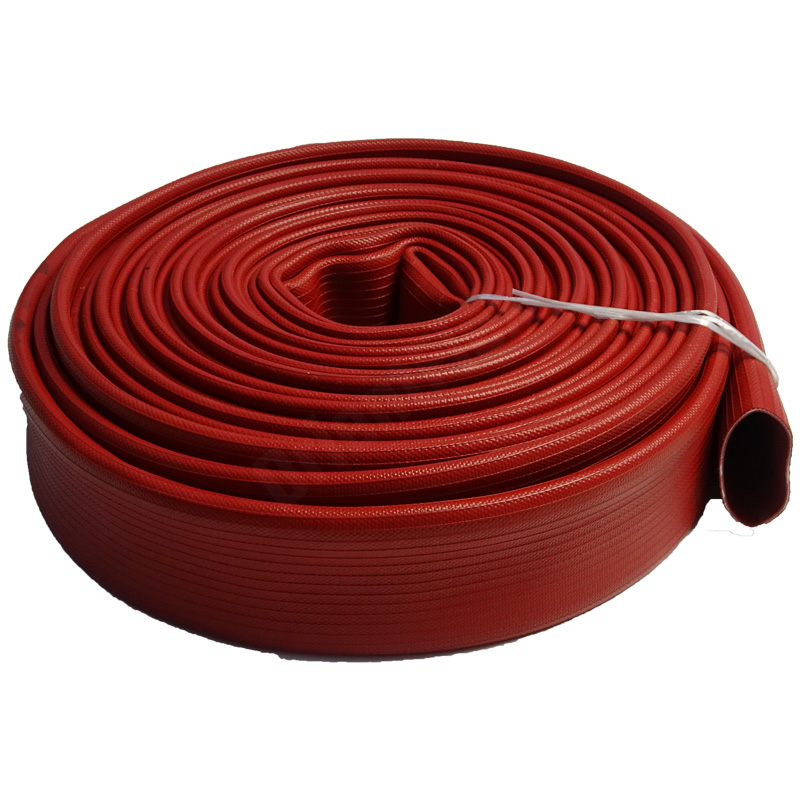
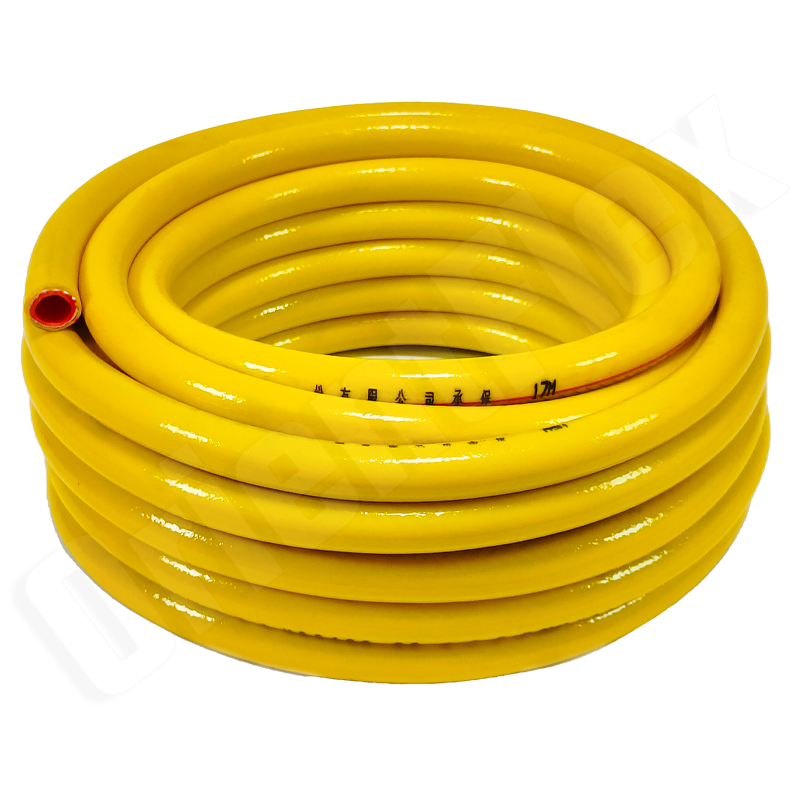
The Evolution of Flexible Duct Hoses in Commercial HVAC Infrastructure
In modern commercial architecture, the efficiency of Heating, Ventilation, and Air Conditioning (HVAC) systems determines not only occupant comfort but also the operational sustainability of the entire facility. From towering corporate offices and expansive shopping centers to sterile healthcare environments, the demand for clean, temperature-controlled air is absolute. Flexible duct hoses play a pivotal role in these systems, acting as the critical conduits that link main rigid ductwork to terminal diffusers, ventilation hoods, and air handling units.
Historically, ventilation systems relied almost exclusively on rigid sheet metal ducts. While highly durable, rigid systems present significant installation challenges, particularly in tight ceiling plenums, around structural columns, and in complex architectural layouts. The introduction of engineered flexible duct hoses revolutionized the industry. These hoses offer unmatched versatility, allowing installers to navigate complex paths without the need for multiple elbows and joints, which are notorious points of airflow resistance and leakage.
Current Commercial & Industrial Landscape
Today, the global market for commercial HVAC ducting is experiencing rapid growth, driven by strict green building certifications (such as LEED and BREEAM) and updated energy codes. According to industry analyses, energy-efficient ventilation is no longer optional; it is a regulatory mandate. A significant portion of a building's energy consumption is dedicated to moving air. Consequently, duct hoses must be designed to minimize friction loss, prevent thermal transfer, and eliminate air leakage. Modern duct hoses are manufactured using composite layers of high-strength polymers, aluminum foils, and insulating materials, ensuring they meet the stringent thermal and acoustic requirements of modern commercial spaces.
Key Industrial Trend: Indoor Air Quality (IAQ) Focus
Post-pandemic architectural design places a massive emphasis on IAQ. Ventilation systems must now handle higher air exchange rates and integrate advanced filtration. Flexible ducting must be chemically inert, mold-resistant, and capable of handling higher static pressures without collapsing or delaminating.
Deep Dive: Material Engineering & Critical HVAC Applications
Selecting the right duct hose requires a deep understanding of material science. Different commercial environments present unique challenges, ranging from extreme temperatures to chemical exposure and high mechanical stress. Here, we analyze the primary materials used in modern duct hose manufacturing and their specific application scenarios.
1. High-Temperature Exhaust & Silicone Hoses
In applications such as commercial kitchens, manufacturing plants, and chemical laboratories, exhaust air often carries extreme heat and corrosive fumes. Standard PVC or rubber hoses would quickly degrade under these conditions. Silicone-coated fiberglass duct hoses are engineered to withstand continuous operating temperatures exceeding 260°C (500°F). The silicone coating provides excellent resistance to UV radiation, ozone, and chemical vapors, while the fiberglass core provides structural stability under high pressure.
2. Thermoplastic & PVC Ducts for Standard Airflow
For general supply and return air systems, PVC and thermoplastic elastomer (TPE) duct hoses offer the best balance of flexibility, weight, and cost-effectiveness. Reinforced with a spring steel wire helix, these hoses can expand and compress easily, making them ideal for connecting main distribution lines to ceiling diffusers. They are highly resistant to moisture, preventing condensation buildup that could lead to mold growth in ceiling voids.
Specialized Application Scenarios
Beyond standard commercial office ventilation, flexible duct hoses are critical in several demanding industrial and commercial scenarios:
- Commercial Kitchen Ventilation: Extraction of grease-laden air requires fire-retardant, leak-proof double-layer hoses that comply with strict NFPA regulations.
- Industrial Fume Extraction: Chemical processing plants and welding shops use chemical-resistant TPE or silicone hoses connected to localized exhaust hoods to capture toxic fumes at the source.
- Cleanrooms & Laboratories: Pharmaceutical and semiconductor manufacturing require ultra-clean environments. Duct hoses used here must have low outgassing properties and be completely free of contaminants.
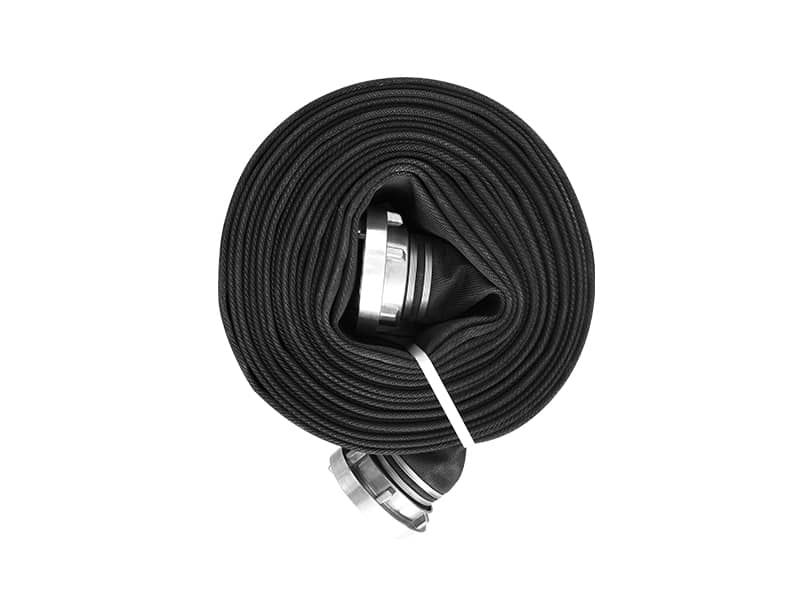
- Temporary Event & Construction HVAC: Heavy-duty PVC layflat hoses are widely used for temporary air conditioning and heating at outdoor events, construction sites, and emergency shelters due to their ease of deployment and durability.
Hebei Orient ADMA Tech Group Co., Ltd.
Who We Are
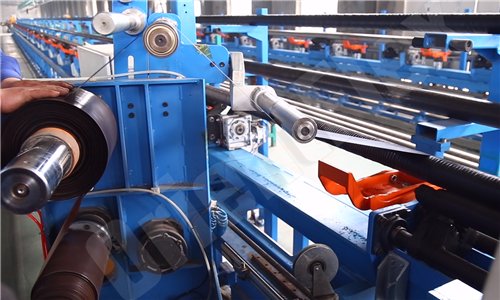
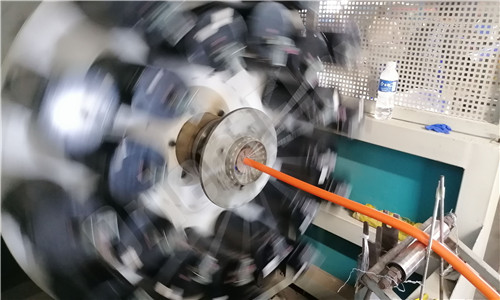
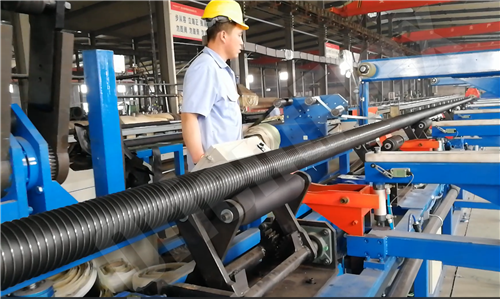
Hebei Orient Rubber & Plastic Co., Ltd. was set up in 2010. We are a manufacturer integrating produce and export hoses and fittings. For our product, we have 5 series and more than 150 types. The 5 series include industrial hose, thermoplastic hose, hydraulic hose, silicone hose and auto hose. After 13 years' high speed development, we become a group company in 2023.
Development History
At the beginning of our establishment in 2010, we have just 10 members. But after 14 year’s develop, we have over 180 people now. Meanwhile, we constantly expand the scale our factory. Besides, we constantly improve our technology and update advanced equipment. As a result, our production efficiency has been greatly improved. While our products become better and better. And now, our supply capacity reaches 100 containers per month.


Our Strengths
Engineering Selection Parameters for HVAC Flexible Ducts
When designing or upgrading a commercial ventilation system, selecting the appropriate duct hose is critical to ensure safety, efficiency, and longevity. Engineers must evaluate several technical parameters during the specification phase:
1. Pressure Rating (Positive and Negative)
HVAC systems operate under varying pressures. Supply ducts run under positive pressure, pushing air into spaces, while return and exhaust systems often operate under negative pressure (suction). A hose must have sufficient structural integrity—typically provided by a spring steel wire helix—to prevent collapse under negative pressure or bursting under high-velocity positive pressure.
2. Friction Loss & Airflow Resistance
The internal geometry of a flexible duct hose significantly affects airflow efficiency. Hoses with rough inner linings or excessive sagging create turbulence, leading to high friction loss. This forces the system's fans to work harder, increasing energy consumption. Specifying hoses with smooth inner bores and installing them with minimal slack is essential to maintain system efficiency.
3. Acoustic Attenuation
Noise control is a major consideration in commercial office spaces, schools, and hospitals. High-velocity air flowing through ductwork can generate significant noise. Modern flexible ducts are often engineered with sound-dampening materials that absorb acoustic vibrations, preventing fan noise from transmitting into occupied rooms.
4. Environmental & Chemical Resistance
Ducts installed outdoors or in unconditioned spaces must withstand UV exposure, temperature fluctuations, and moisture. In industrial settings, they must also resist chemicals, oils, and abrasive particulates. Choosing the correct polymer or elastomer compound ensures the duct hose will not degrade prematurely.
Complete HVAC Ducting & Hose Product Portfolio
Explore our comprehensive range of high-performance hoses, including specialized layflat, suction, high-temperature, and reinforced hoses designed to meet the demands of modern commercial and industrial projects.