1. The Critical Role of High-Temperature Hoses in Modern Turbocharged Automotive Engines
Modern automotive engineering is driven by the relentless pursuit of efficiency, power density, and emission reduction. To meet stringent global regulations, automakers have increasingly turned to engine downsizing coupled with turbocharging. Turbochargers utilize hot exhaust gases to compress intake air, forcing more oxygen into the combustion chambers. This process drastically increases the thermal load within the engine bay, with exhaust gas temperatures frequently peaking between 800°C and 1050°C. In such an intense environment, conventional rubber hoses degrade rapidly, leading to catastrophic system failures.
This is where specialized "Fire Hose" technology—adapted for high-temperature automotive applications—becomes indispensable. These hoses are not standard utility lines; they are highly engineered thermal management barriers designed to transport critical fluids (such as lubricating oil, coolant, and charge air) safely through zones of extreme radiant heat. By incorporating advanced elastomeric compounds, robust braided reinforcements, and specialized thermal jackets, these hoses prevent fluid degradation, resist pressure spikes, and protect the engine from localized fires caused by fluid leaks onto hot turbocharger components.
Did You Know? The area surrounding a turbocharger turbine housing can experience temperatures that exceed the melting point of common plastics and standard rubbers. A specialized thermal barrier hose is the only line of defense preventing fluid line failure and potential engine bay fires.
2. Commercial and Industrial Landscape of the Automotive Turbocharger Hose Market
The global market for high-temperature automotive hoses is experiencing a significant surge, driven by the expansion of turbocharged internal combustion engines (ICE) and hybrid electric vehicles (HEVs). While the industry is transitioning toward electrification, hybrid systems still rely on compact, highly stressed ICEs that operate at elevated thermal thresholds. The demand for durable, heat-resistant hoses is particularly strong in the commercial vehicle, heavy-duty transport, and high-performance racing sectors.
Industrially, manufacturers are shifting away from traditional materials toward advanced silicone composites, fluoroelastomers (FKM), and aramid-reinforced structures. The commercial landscape is highly competitive, with OEMs demanding longer component lifespans, zero-maintenance guarantees, and compliance with strict environmental regulations like REACH and RoHS. Companies that invest in state-of-the-art extrusion and braiding technologies are leading the market, supplying critical components to major automotive manufacturing hubs globally.
3. Material Science: Engineering the Ultimate Thermal Barrier
Designing a hose that can withstand the harsh conditions of a turbocharger system requires a deep understanding of material science. Standard elastomers like EPDM or Nitrile rubber lose their mechanical properties, harden, and crack when exposed to sustained temperatures above 120°C. To combat this, automotive engineers utilize a combination of specialized materials:
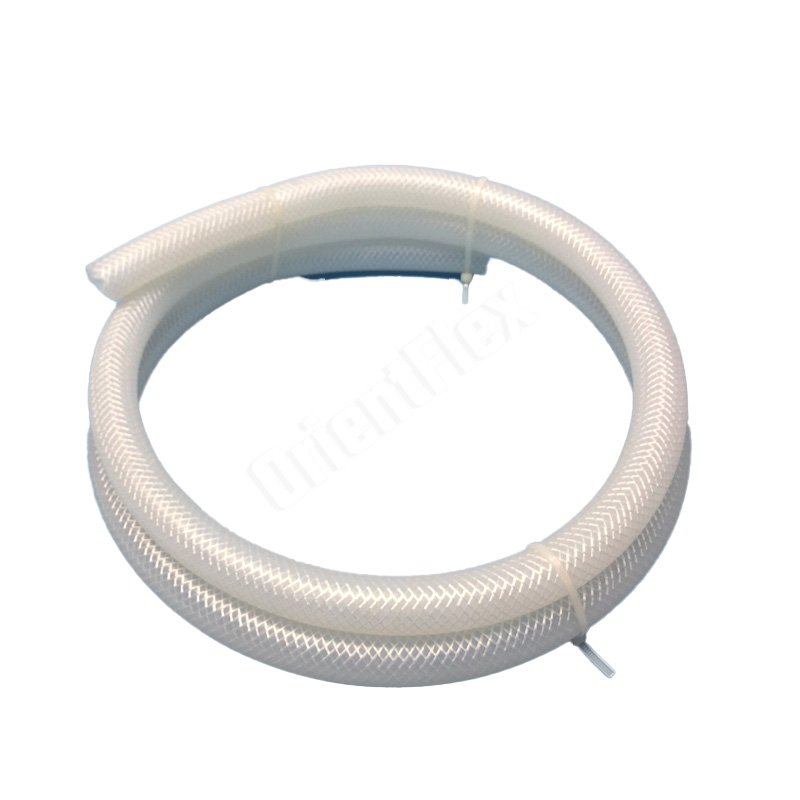
- Silicone Elastomers (VMQ/FVMQ): Silicone offers an exceptional operating temperature range, typically from -50°C to +250°C. Fluorosilicone (FVMQ) is utilized when direct contact with oil or fuel is required, providing excellent chemical resistance alongside thermal stability.
- Aramid Reinforcement: To prevent the hose from expanding or bursting under high boost pressures (which can exceed 30 psi in performance systems), high-tensile aramid fibers (such as Nomex or Kevlar) are braided into the hose wall. Unlike polyester, aramid maintains its strength at elevated temperatures.
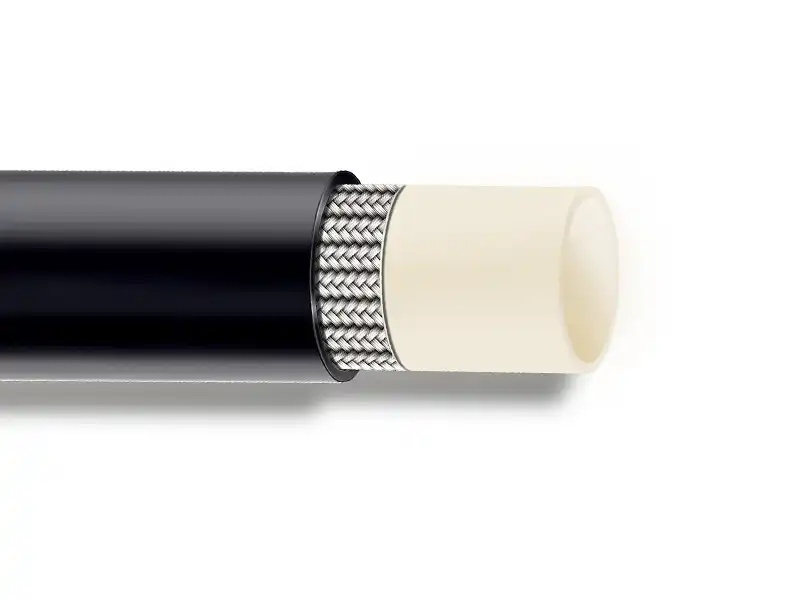
- Thermal Protection Sleeves ("Fire Sleeves"): The outermost layer is often a braided fiberglass sleeve coated with a thick layer of iron-oxide silicone rubber. This "fire sleeve" acts as a heavy-duty thermal insulator, shedding molten metal splashes, resisting direct flames, and deflecting intense radiant heat from the exhaust manifold.
By combining these layers, manufacturers create a composite hose structure that is flexible, pressure-resistant, chemically inert, and thermally shielded. This multi-layer approach ensures that even if the outer layer is exposed to localized flames, the inner fluid-carrying core remains intact, preventing hazardous fluid leaks.
4. Deep-Dive Application Scenarios in Turbocharger Systems
Turbocharger systems require several distinct fluid and air routing pathways, each presenting unique engineering challenges. High-temperature fire-resistant hoses are deployed in several critical areas:
A. Turbocharger Oil Feed and Return Lines
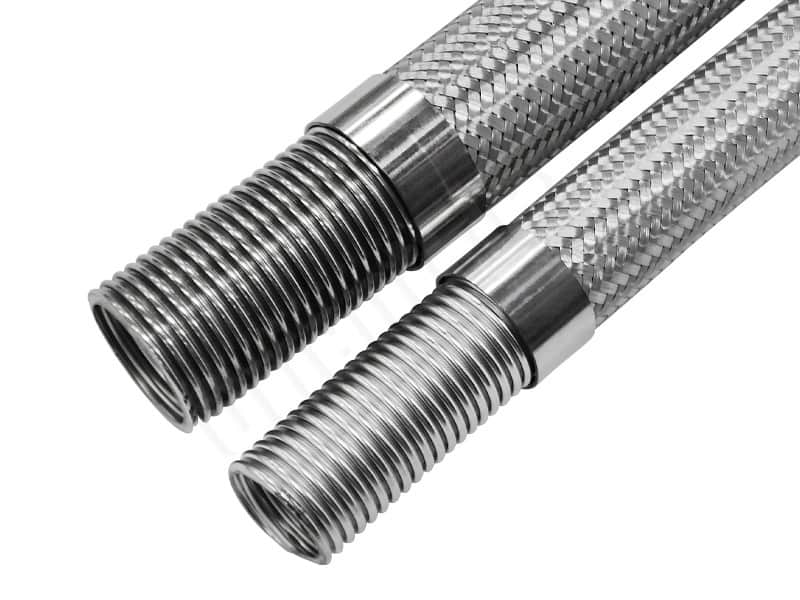
The turbocharger shaft spins at speeds exceeding 200,000 RPM, requiring continuous lubrication from the engine oil system. The oil feed line carries high-pressure engine oil directly to the turbo cartridge. Because this line runs directly adjacent to the hot turbine housing, the oil inside can reach extremely high temperatures. If the hose cannot insulate the oil, the oil can undergo "coking"—a process where thermal degradation turns the oil into solid carbon deposits, blocking the line and destroying the turbocharger. A high-temp silicone or stainless steel braided hose prevents this thermal transfer.
B. Charge Air Cooler (Intercooler) Connections
Once the turbocharger compresses the intake air, the air temperature rises significantly (often up to 150°C or higher). This hot, pressurized air must be routed to the intercooler before entering the engine. The hoses connecting the turbo outlet to the intercooler must handle both high temperatures and constant pressure fluctuations (boost cycles). Silicone hoses reinforced with multi-layer aramid braids are the industry standard for this application, providing the necessary flexibility to absorb engine rocking while maintaining structural integrity.
C. Liquid Cooling Lines
Many modern turbochargers are water-cooled to protect the bearings from heat soak after the engine is turned off. The coolant lines must route engine coolant (typically a mix of water and glycol) to and from the turbocharger center housing. These hoses must withstand temperatures up to 150°C and resist chemical degradation from the coolant additives, requiring specialized silicone or high-grade thermoplastic construction.
5. Key Engineering Challenges and Innovative Solutions
Designing fluid transfer systems for turbocharged engines involves navigating several conflicting requirements. Hoses must be flexible enough to allow for engine movement and vibration, yet rigid enough to prevent collapsing under vacuum or expanding under pressure. Furthermore, they must resist a hostile chemical environment containing ozone, engine oils, fuels, road salt, and cleaning solvents.
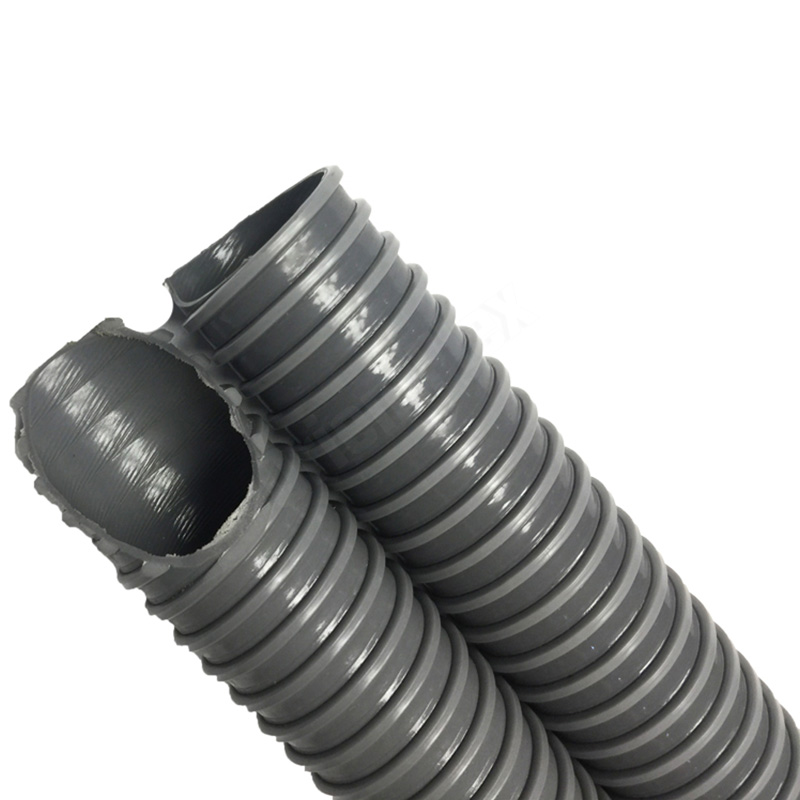
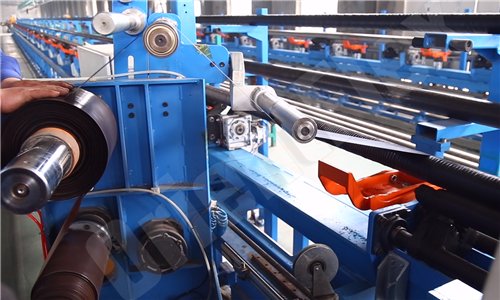
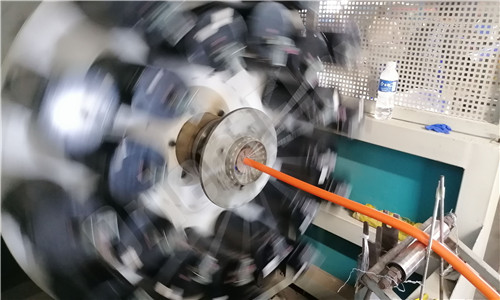
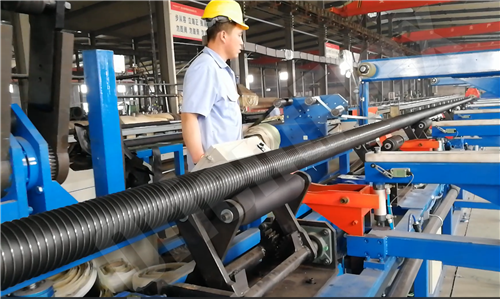
Innovative solutions include the integration of convoluted (bellowed) designs in silicone hoses, which allow for greater angular movement without kinking. Additionally, manufacturers are utilizing fluorocarbon liners (FKM) inside silicone hoses to create a barrier against oil permeation, ensuring the hose remains soft and pliable over hundreds of thousands of miles. Advanced manufacturing techniques, such as automated mandrel wrapping and precision braiding, ensure consistent wall thickness and eliminate weak points that could lead to premature failure.
6. Future Trends in Automotive Thermal Management Hoses
As the automotive industry pivots toward hybrid and electric drivetrains, the role of thermal management is expanding. In hybrid vehicles, the packaging of the engine bay is tighter than ever, leading to localized heat pockets. This requires even more precise thermal routing and shielding. We are also seeing the emergence of "smart hoses" equipped with embedded thin-film sensors that can monitor fluid temperature, pressure, and hose wear in real-time, sending data to the vehicle's ECU to predict maintenance needs before a failure occurs.
Additionally, sustainability is driving research into bio-based elastomers and recyclable reinforcement fibers. The goal is to produce hoses that offer the same high-temperature performance as traditional silicone and aramid, but with a significantly lower carbon footprint during production and disposal.
Hebei Orient ADMA Tech Group Co., Ltd.
Who We Are
Hebei Orient Rubber & Plastic Co., Ltd. was set up in 2010. We are a manufacturer integrating produce and export hoses and fittings. For our product, we have 5 series and more than 150 types. The 5 series include industrial hose, thermoplastic hose, hydraulic hose, silicone hose and auto hose. After 13 years' high speed development, we become a group company in 2023.
Development History
At the beginning of our establishment in 2010, we have just 10 members. But after 14 year’s develop, we have over 180 people now. Meanwhile, we constantly expand the scale our factory. Besides, we constantly improve our technology and update advanced equipment. As a result, our production efficiency has been greatly improved. While our products become better and better. And now, our supply capacity reaches 100 containers per month.


14 Years' Global Experience
A decade and a half of expertise in foreign trading, export logistics, and international standards compliance.
Global Reputation
Trusted by automotive OEMs, industrial distributors, and engineering firms across the globe.
One-Stop Service
From custom material formulation and prototyping to volume production and global delivery.
Flexible Payment Terms
Convenient and flexible payment terms designed to support long-term partnerships and supply chain stability.
High Quality Products
Engineered to withstand extreme pressures, harsh chemicals, and severe temperature fluctuations.
Professional Support Team
Dedicated technical sales and after-sales support engineers ready to assist with custom specifications.
Certified Standards
Fully certified under ISO 9001, ISO 14001, CE, FDA, REACH, and other major international directives.
High Capacity of Anti-Risk
Robust manufacturing infrastructure and diversified supply chain to ensure continuous product availability.
Wide Business Relationship
Active collaborations and supply contracts with leading automotive and industrial groups worldwide.