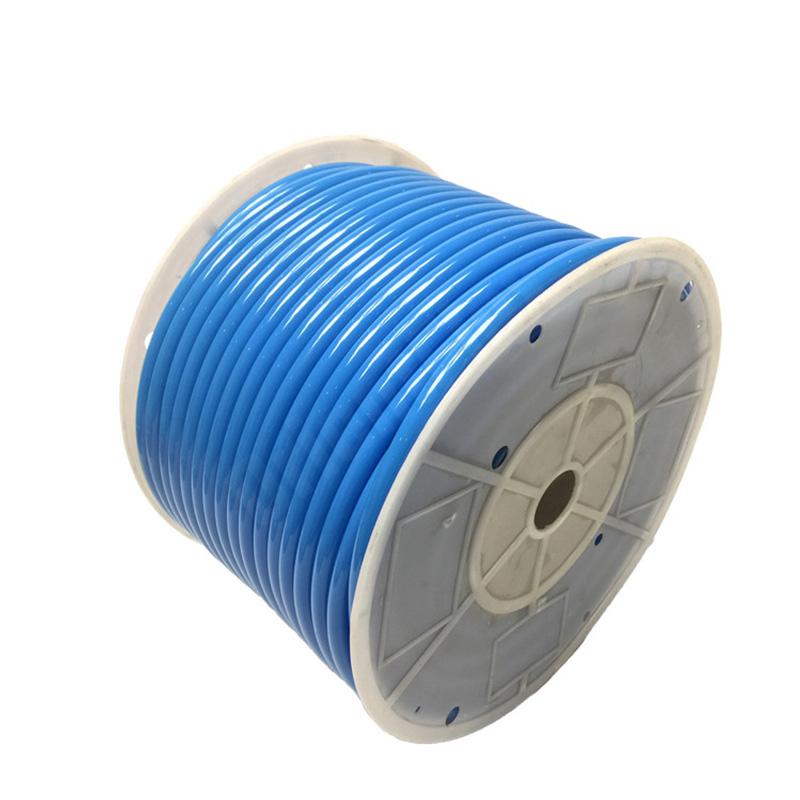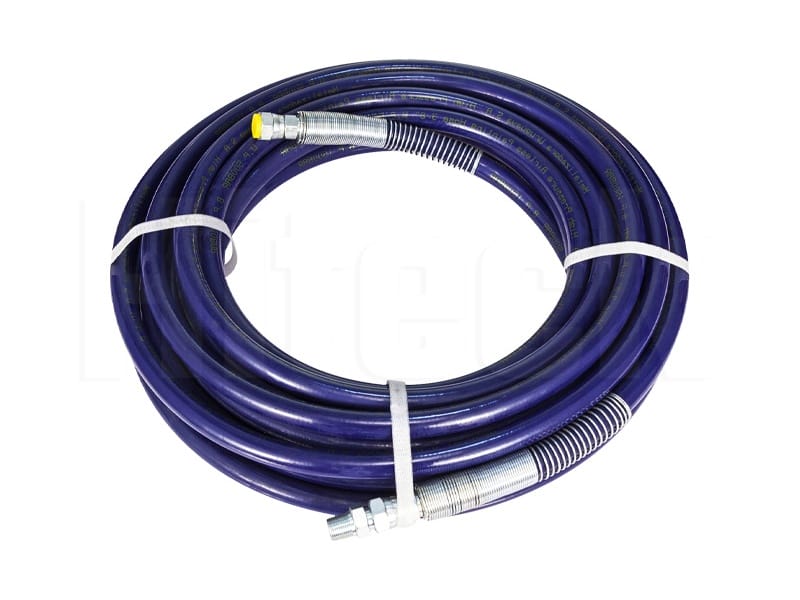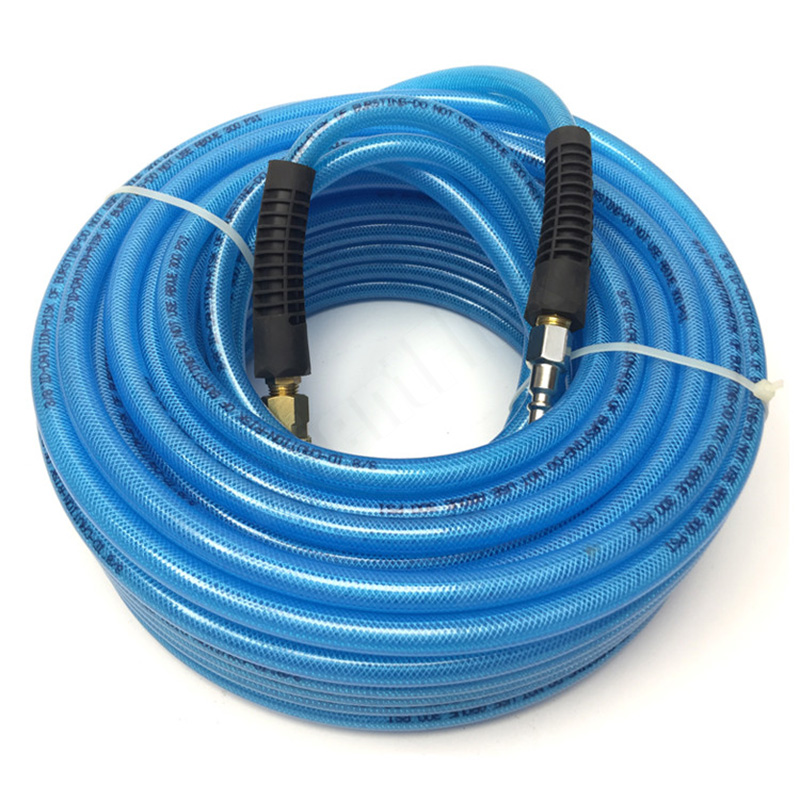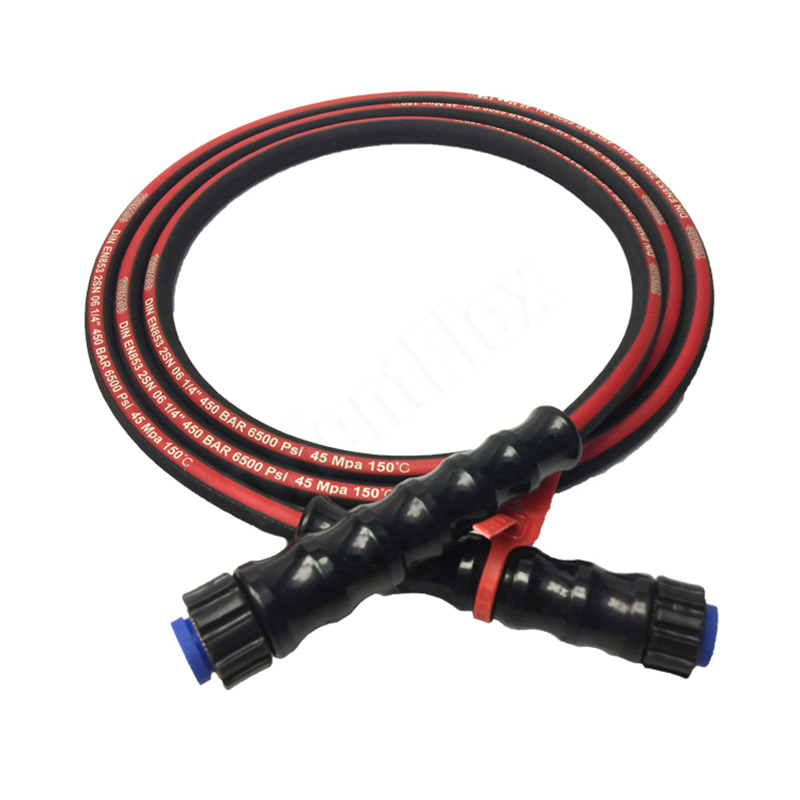
Featured High-Purity Ductwork & Hose Solutions
Industrial Status & Evolution of Cleanroom Air Purification
In the modern manufacturing landscape, the demand for ultra-clean environments has escalated exponentially. Industries such as semiconductor fabrication, biotechnology, pharmaceuticals, aerospace, and precision optics operate under strict environmental controls governed by international standards like ISO 14644. In these facilities, even a single microscopic airborne particle or chemical outgassing event can compromise production yields, ruin sensitive electronic wafers, or contaminate sterile pharmaceutical batches. Consequently, the engineering of cleanroom HVAC (Heating, Ventilation, and Air Conditioning) systems has shifted focus from simple climate control to advanced particulate containment and molecular air filtration.
Historically, rigid galvanized steel or stainless steel ductwork dominated cleanroom ventilation design. However, these rigid structures present major challenges: they are prone to vibration propagation, require complex and time-consuming installation processes, and are highly difficult to reroute when cleanroom layouts change. Furthermore, metal ducts can accumulate static electricity, attracting micro-particles that eventually release into the clean stream. This is where flexible plastic pipes have revolutionized cleanroom air purification and ventilation ductwork.
Today, the global market for flexible cleanroom ductwork is experiencing rapid growth, driven by the expansion of global semiconductor capacity and the strict regulatory standards enforced by agencies like the FDA and EMA. Engineers now prioritize advanced polymers—such as polyurethane (PU), specialized silicones, and thermoplastic elastomers (TPE)—that offer exceptional flexibility, zero or extremely low outgassing characteristics, static-dissipative properties, and robust resistance to aggressive cleaning chemicals.
Anti-Static & ESD Protection
Prevents the buildup of electrostatic charges, ensuring micro-particles do not cling to the inner walls of the ductwork and discharge into clean areas.
Zero Outgassing Materials
Formulated to prevent the release of volatile organic compounds (VOCs) that can degrade sensitive optical and semiconductor processes.
Vibration Isolation
Absorbs mechanical vibrations from HVAC fans and machinery, ensuring precise alignment of cleanroom lithography and measuring tools.
Chemical Resistance
Withstands rigorous cleanroom sterilization protocols, including vaporized hydrogen peroxide (VHP) and aggressive disinfectants.
Deep-Dive Application Scenarios of Flexible Pipes in Cleanroom Ductwork
Flexible plastic pipes are not merely general-purpose hoses; they are highly engineered components tailored to specific zones within cleanrooms. Understanding these distinct scenarios helps engineers optimize air purification efficiency and maintain sterile environments.
1. Semiconductor Fab Tool Hookups & Process Exhaust
In semiconductor fabrication plants (Fabs), photolithography and etching tools operate in ISO Class 1 to Class 3 environments. These tools require local exhaust systems to remove chemical fumes, heat, and potential particles generated during wafer processing. Flexible polyurethane and silicone hoses serve as the critical interface between the high-precision processing tools and the main overhead exhaust ductwork. Their flexibility allows for easy positioning around complex tool geometry, while their vibration-dampening qualities prevent structural vibrations from affecting the nanometer-scale lithography processes.
2. Pharmaceutical Sterile Air Distribution & VHP Sterilization
Pharmaceutical cleanrooms (Grade A to D) demand strict control over microbial contamination. Air distribution systems must be periodically sterilized using Vaporized Hydrogen Peroxide (VHP) or ozone. Flexible plastic pipes used in these systems must be FDA-compliant, non-porous, and resistant to chemical oxidation. High-purity silicone hoses and specialized polyurethane ducts are utilized to deliver HEPA-filtered sterile air to filling lines, isolators, and restricted access barrier systems (RABS).
3. Biosafety Containment & Negative Pressure Exhaust
In Biosafety Level 3 and 4 (BSL-3/BSL-4) laboratories, containing hazardous pathogens is critical. These facilities operate under negative pressure, requiring robust, airtight ventilation ductwork that will not collapse or leak under negative pressure gradients. Flexible reinforced thermoplastic hoses provide secure, gas-tight connections between primary containment enclosures (like biosafety cabinets) and the facility's exhaust filtration systems.
4. Cleanroom HVAC Return Air Plenums & Ceiling Grid Integration
Modern cleanrooms utilize Fan Filter Units (FFUs) integrated into a ceiling grid to continuously recirculate and filter air. Connecting the main supply air duct to the individual FFUs requires a highly flexible, lightweight, and easily installable ducting solution. Flexible plastic pipes constructed with spiral wire reinforcement allow for smooth, sweeping bends with minimal friction loss, ensuring balanced airflow distribution across the entire cleanroom ceiling grid.
Future Technological Trends in Cleanroom Flexible Ducting
As cleanroom standards become more stringent, the technology behind flexible plastic pipes continues to advance. Several key trends are shaping the future of this industry:
1. Nanocomposite Polymers for Superior ESD Properties: Traditional carbon-black filled polymers can shed particles, making them unsuitable for cleanrooms. The industry is moving toward incorporating carbon nanotubes (CNTs) and advanced graphene additives into plastic pipes. This provides exceptional electrostatic dissipation without the risk of carbon shedding or particulate contamination.
2. Antimicrobial Inner Liners: For pharmaceutical and medical device cleanrooms, preventing bio-film formation inside ventilation ducts is critical. Hoses with silver-ion or advanced bio-static inner liners are being introduced to actively inhibit bacterial and fungal growth, ensuring the delivered air remains completely sterile.
3. Eco-friendly and Low-carbon Footprint Polymers: With global industries focusing on sustainability, manufacturers are developing bio-based polyurethanes and recyclable thermoplastic elastomers that match the performance of traditional petroleum-based plastics while reducing environmental impact.
Hebei Orient ADMA Tech Group Co., Ltd.
Hebei Orient Rubber & Plastic Co., Ltd. was set up in 2010. We are a manufacturer integrating produce and export hoses and fittings. For our product, we have 5 series and more than 150 types. The 5 series include industrial hose, thermoplastic hose, hydraulic hose, silicone hose and auto hose. After 13 years' high speed development, we become a group company in 2023.
Development History
At the beginning of our establishment in 2010, we have just 10 members. But after 14 year’s develop, we have over 180 people now. Meanwhile, we constantly expand the scale our factory. Besides, we constantly improve our technology and update advanced equipment. As a result, our production efficiency has been greatly improved. While our products become better and better. And now, our supply capacity reaches 100 containers per month.
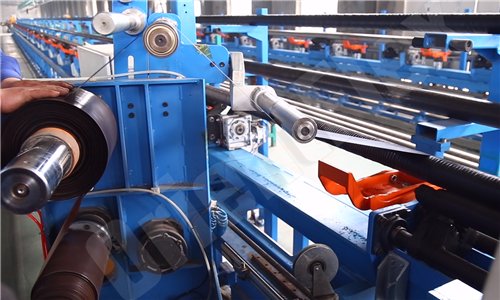
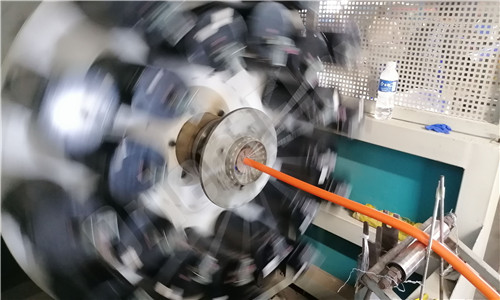
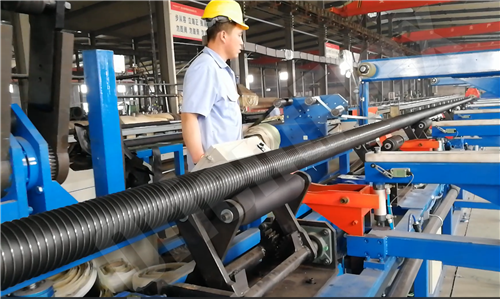
Our State-of-the-Art Production Facility


Our Operational Strengths
With over a decade of dedication to the industrial hose sector, Hebei Orient ADMA Tech Group has established a robust ecosystem of manufacturing excellence, stringent quality control, and client-centric distribution channels. Our strengths enable us to supply high-performance ventilation and ducting products globally.