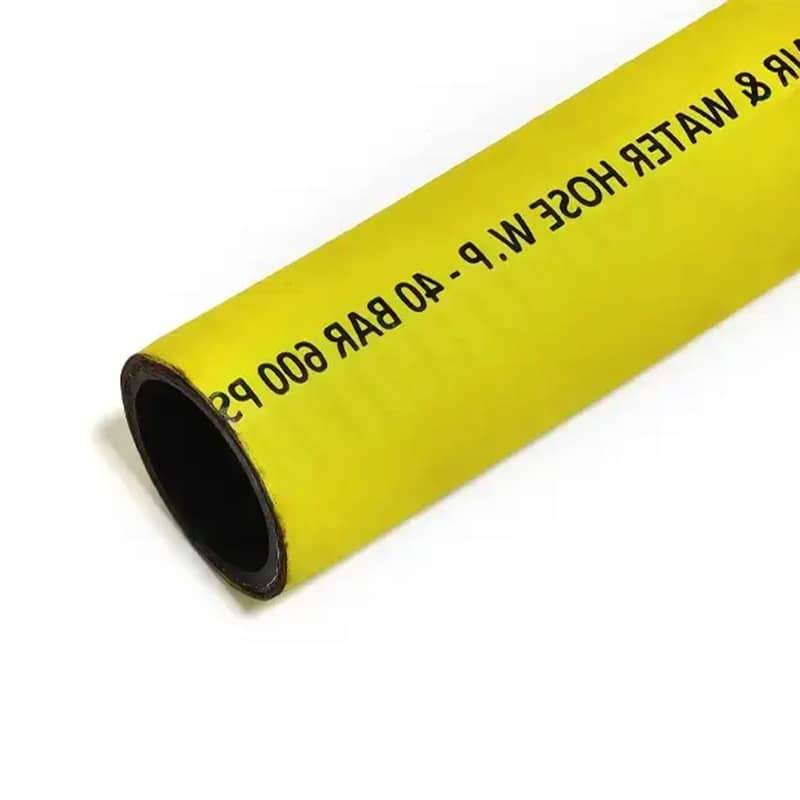
Featured Fluid Transfer Solutions
Explore our top-performing flexible PVC and reinforced thermoplastic hoses engineered specifically to meet the rigorous demands of heavy-duty manufacturing plant fluid transfer systems.
The Critical Role of Flexible PVC Hoses in Modern Heavy-Duty Manufacturing
In today's fast-paced industrial landscape, the efficiency of fluid transfer systems stands as a cornerstone of manufacturing productivity. Heavy-duty manufacturing plants—ranging from chemical processing facilities and automotive assembly plants to metallurgical operations and large-scale packaging lines—rely on robust, versatile conduit systems to transport water, chemicals, lubricants, gases, and slurries. Among the various materials utilized for these critical conduits, the Flexible PVC Hose has emerged as an indispensable asset.
Unlike rigid piping systems, which are prone to cracking under vibrational stress, thermal expansion, or mechanical misalignment, flexible PVC hoses offer the structural resilience and adaptability required to navigate complex machinery layouts. As industrial plants adopt more automation and dynamic robotic configurations, the demand for fluid transfer lines that can bend, stretch, and withstand continuous cyclical motion without fatigue has skyrocketed. Flexible PVC, engineered with custom plasticizers and reinforcement layers, meets this demand head-on, ensuring uninterrupted flow and minimal downtime.
Key Industrial Challenges Solved by Flexible PVC Hoses
- Vibration Absorption: Neutralizes continuous mechanical oscillations from heavy pumps and motors.
- Chemical Resistance: Resists degradation from corrosive industrial fluids, acids, and alkaline solutions.
- Space Optimization: Easily routes through tight spaces and complex machinery frameworks.
- Cost Efficiency: Offers a lower installation and maintenance overhead compared to stainless steel piping.
Deep Dive: The Material Science Behind High-Performance Flexible PVC
To understand why flexible PVC (Polyvinyl Chloride) is so widely adopted for heavy-duty manufacturing plant fluid transfer, one must look at its underlying polymer chemistry. Standard PVC is inherently rigid. However, through the precise addition of specialized plasticizers, stabilizers, and modifiers, manufacturers transform it into a highly pliable elastomer. This modification process allows the hose to maintain its structural integrity across a broad spectrum of temperatures and pressures.
For heavy-duty applications, simple extrusion is rarely sufficient. Industrial-grade flexible PVC hoses are typically constructed using a multi-layered co-extrusion process. The inner layer is formulated for maximum chemical compatibility and smooth fluid dynamics, minimizing friction loss and preventing sediment buildup. The middle reinforcement layer—often composed of high-tensile polyester yarn braiding, steel wire spirals, or rigid PVC helices—provides the tensile strength necessary to withstand high working pressures and vacuum forces. The outer cover is engineered to resist external hazards, such as UV radiation, ozone exposure, mechanical abrasion, and accidental impact.
Abrasion & Impact Resistance
The outer protective jacket is formulated to withstand dragging across concrete floors, contact with sharp machinery edges, and harsh physical impacts common in busy factory environments.
Optimized Fluid Dynamics
Ultra-smooth inner bores reduce turbulent flow, decrease pressure drops across long runs, and prevent internal microbial or particulate accumulation.
Reinforcement Architecture
By integrating high-tensile polyester braid or rigid spiral cores, these hoses resist kinking, collapsing under vacuum pressure, and bursting under sudden pressure spikes.
In-Depth Application Scenarios in Heavy-Duty Manufacturing Plants
The versatility of flexible PVC hoses allows them to serve in a myriad of specialized roles across diverse industrial sectors. Below, we examine the primary scenarios where these hoses prove to be critical to operational success:
1. Chemical Processing & Corrosive Fluid Conveyance
Chemical manufacturing plants present some of the most hostile environments for fluid transfer. Corrosive acids, alkalis, solvents, and chemical waste can rapidly degrade standard metallic or low-grade rubber conduits. Specially formulated flexible PVC hoses, enriched with chemical-resistant polymers, provide an excellent barrier against chemical attack. They ensure safe, leak-free transport of raw chemical components from storage tanks to mixing vessels, protecting both the workforce and the environment from hazardous exposure.
2. Automotive Assembly & Pneumatic Automation Systems
In automotive manufacturing, precision and reliability are paramount. Automated robotic arms, welding stations, and assembly lines rely heavily on pneumatic systems to control actuators, grippers, and tools. Flexible PVC hoses act as the nervous system of these setups, carrying compressed air and cooling water. Their exceptional flexibility allows them to endure millions of bending cycles without cracking, keeping the assembly line running smoothly.
3. Food, Beverage, and Pharmaceutical Processing
Sanitary requirements in food and pharmaceutical manufacturing demand fluid transfer lines that are non-toxic, odorless, and completely safe for human consumption. FDA-approved, non-phthalate flexible PVC hoses are the industry standard for transporting liquid foodstuffs, milk, juices, beer, and pharmaceutical ingredients. These hoses are designed to withstand clean-in-place (CIP) sterilization cycles, ensuring absolute hygiene and compliance with international health regulations.
4. Mining, Dredging, and Slurry Transfer
For heavy-duty operations involving abrasive slurries, mining tailings, and dredging refuse, standard hoses wear out within weeks. Heavy-duty PVC hoses reinforced with rigid PVC helixes or steel wires provide the structural rigidity needed to handle negative pressure (suction) while maintaining the flexibility required for dynamic positioning. Their thick interior walls are highly resistant to the cutting and scraping action of suspended solids.
Future Trends: Next-Generation Flexible PVC Hose Technologies
The industrial fluid transfer market is undergoing a rapid technological transformation. As manufacturing plants transition towards "Smart Factories" and Industry 4.0 standards, fluid conveying components must evolve accordingly. One of the most prominent trends is the integration of smart sensors directly into the hose structure. These embedded sensors can monitor fluid velocity, temperature, pressure spikes, and wall-thinning due to abrasion, transmitting real-time data to predictive maintenance systems before a catastrophic failure occurs.
Environmental sustainability is another major driver of innovation. Traditional PVC production relied heavily on phthalate plasticizers, which raised ecological concerns. Today, leading manufacturers are pioneering bio-based, non-phthalate plasticizers derived from renewable agricultural sources. These eco-friendly PVC hoses match or exceed the performance metrics of conventional formulations while significantly reducing the carbon footprint of heavy-duty manufacturing operations.
Furthermore, advances in polymer hybridization have led to the creation of TPU (Thermoplastic Polyurethane) and PVC blends. These hybrid hoses combine the economic advantages and chemical versatility of PVC with the extreme abrasion resistance and low-temperature flexibility of polyurethane. This allows heavy-duty plants to operate in sub-zero environments without fear of hose embrittlement or cracking.
- Smart Diagnostics: Real-time pressure and wear monitoring using IoT sensors.
- Bio-Based Formulations: Transition to renewable, non-phthalate raw materials.
- Hybrid Materials: PVC/TPU blends for superior low-temperature performance.
- Advanced Braiding: Multi-axial braiding techniques for enhanced burst pressure.
Hebei Orient ADMA Tech Group Co., Ltd.
Who We Are
Hebei Orient Rubber & Plastic Co., Ltd. was set up in 2010. We are a manufacturer integrating produce and export hoses and fittings. For our product, we have 5 series and more than 150 types. The 5 series include industrial hose, thermoplastic hose, hydraulic hose, silicone hose and auto hose. After 13 years' high speed development, we become a group company in 2023.
Our commitment to quality, engineering excellence, and customer satisfaction has made us a trusted partner for heavy-duty manufacturing plants worldwide. By combining state-of-the-art manufacturing facilities with rigorous quality control, we ensure that every flexible PVC hose leaving our plant meets the highest international standards.
Global Production Capacity
With our continuously expanding production lines, advanced manufacturing technology, and optimized logistics networks, our supply capacity reaches 100 containers per month. This massive capacity ensures that we can support large-scale industrial projects and urgent supply chain requirements without compromising on lead times or quality.
Development History
At the beginning of our establishment in 2010, we have just 10 members. But after 14 year’s develop, we have over 180 people now. Meanwhile, we constantly expand the scale our factory. Besides, we constantly improve our technology and update advanced equipment. As a result, our production efficiency has been greatly improved. While our products become better and better. And now, our supply capacity reaches 100 containers per month.
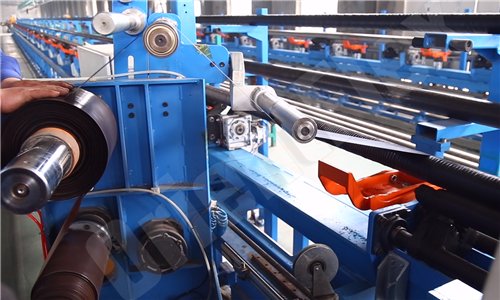
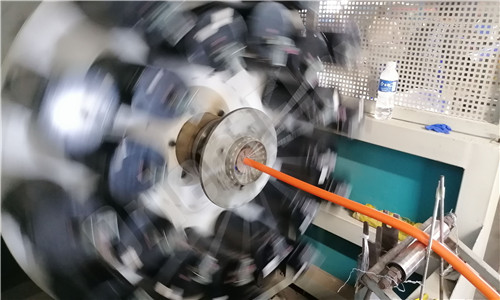
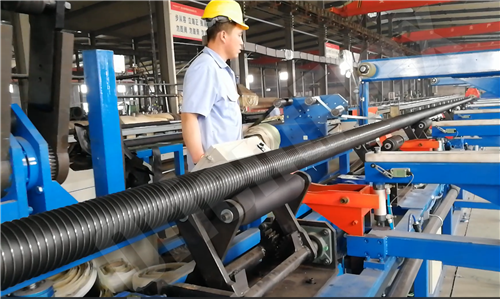
Factory & Production Facilities


Our Strengths
14 Years' Experience
Over 14 years of professional experience in foreign trading, exporting, and custom manufacturing of industrial fluid transfer hoses.
Global Certifications
Certified under ISO 9001, ISO 14001, CE, FDA, Reach, and other major international standards for safety and performance.
One-Stop Service
Comprehensive service from design and custom formulation to production, testing, global logistics, and post-sale technical support.
Flexible Payment Terms
Several convenient, secure, and flexible terms of payment to suit diverse global business practices.
Professional Support Team
Dedicated sales, engineering, and after-sales support teams working 24/7 to ensure your operations never experience downtime.
High Risk Mitigation
High capacity of anti-risk, robust financial standing, and diversified international supply chains to guarantee delivery safety.
Complete Fluid Transfer Product Catalog
Browse our comprehensive selection of high-pressure, chemical-resistant, and food-safe flexible hoses designed for heavy-duty industrial fluid transfer applications.
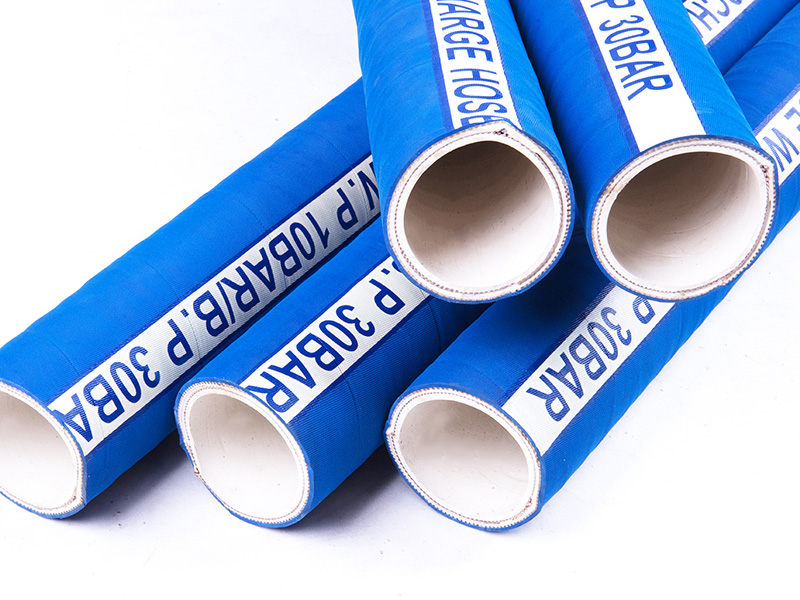
Food Discharge Hose Food Safe Hose
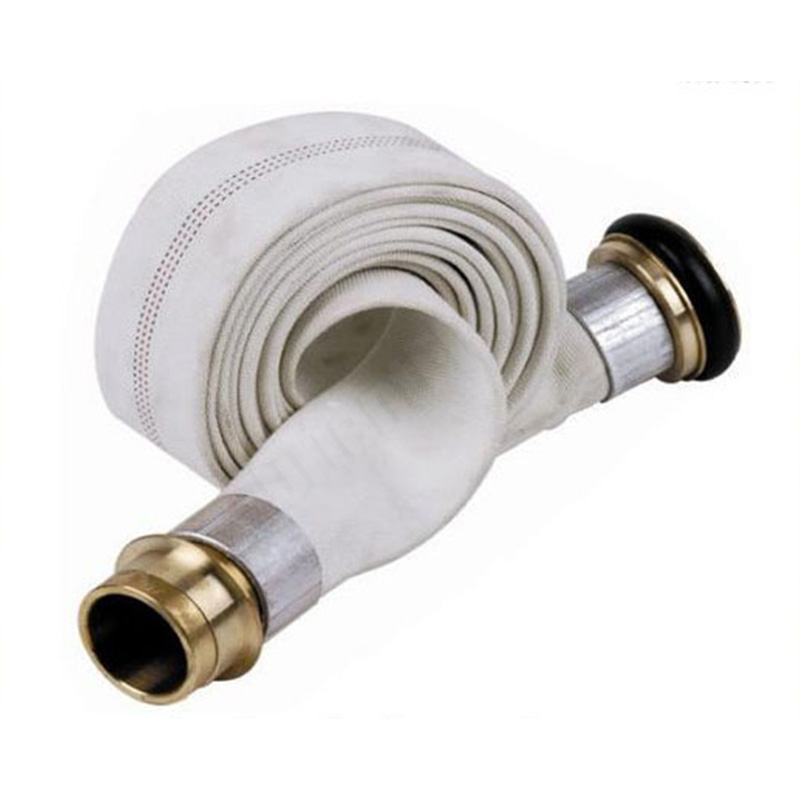
PVC Lining Fire Hose For Fire Fighting And Chemical Industry
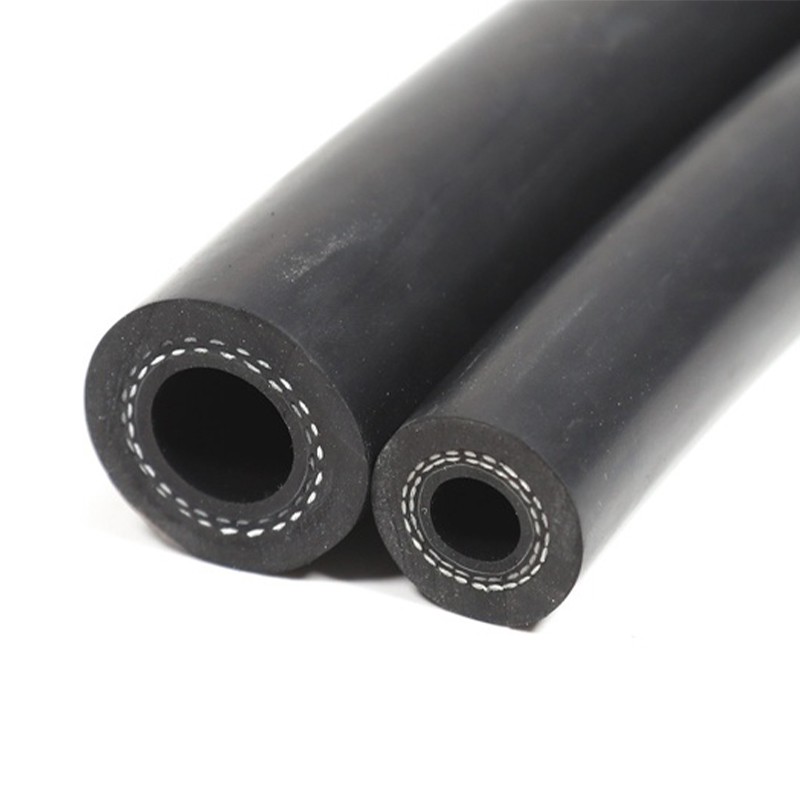
Auto Air Conditioning Hoses Custom Auto AC Hoses
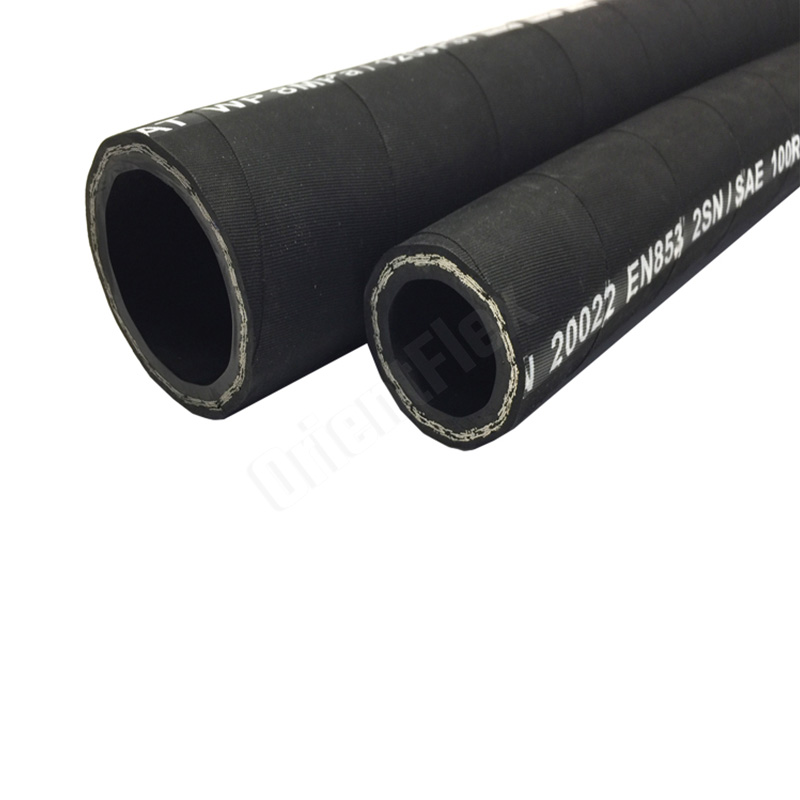
SAE 100 R2 Steel Wire Reinforced Hydraulic Hose
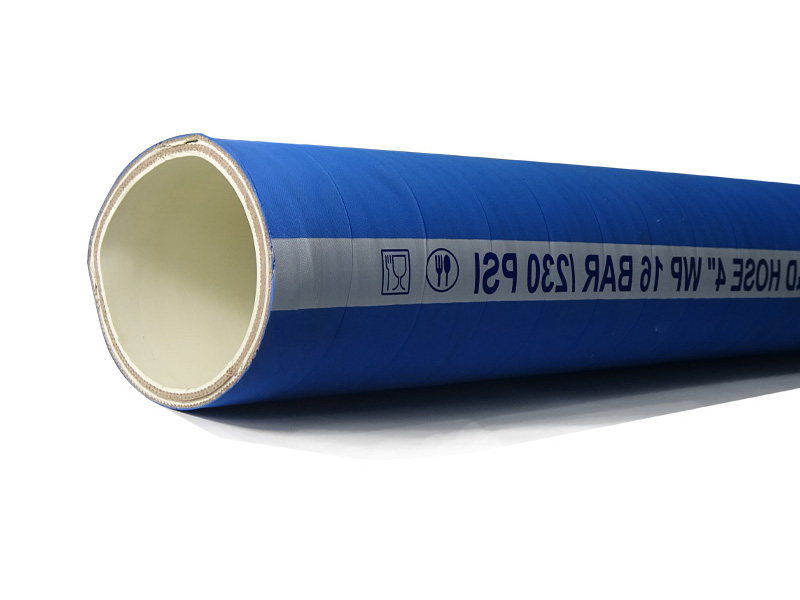
Food Suction Hose FDA Approved Food Grade Hose
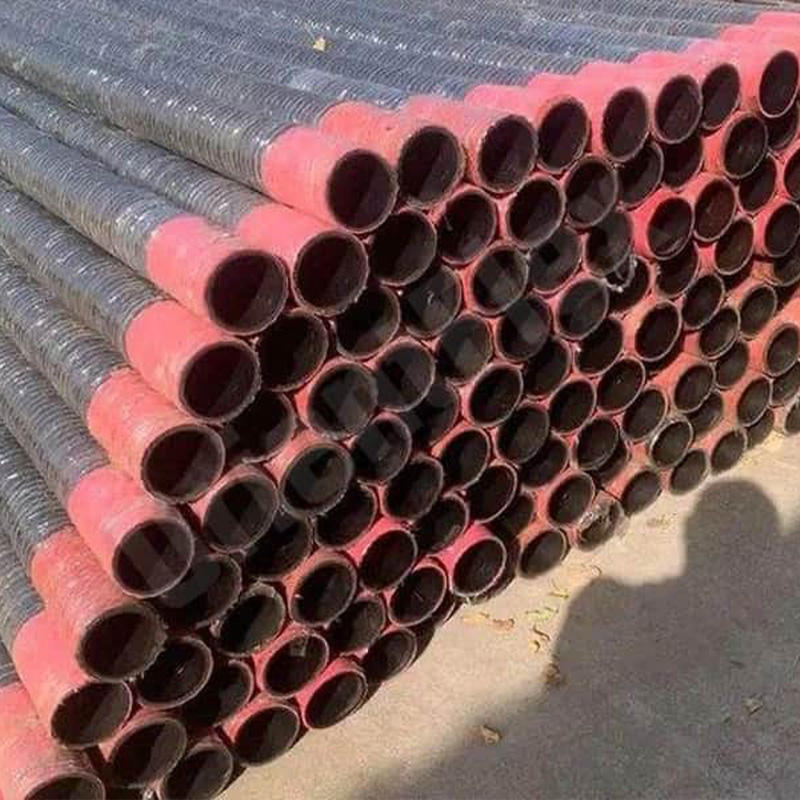
Mining Dredging Suction Hose
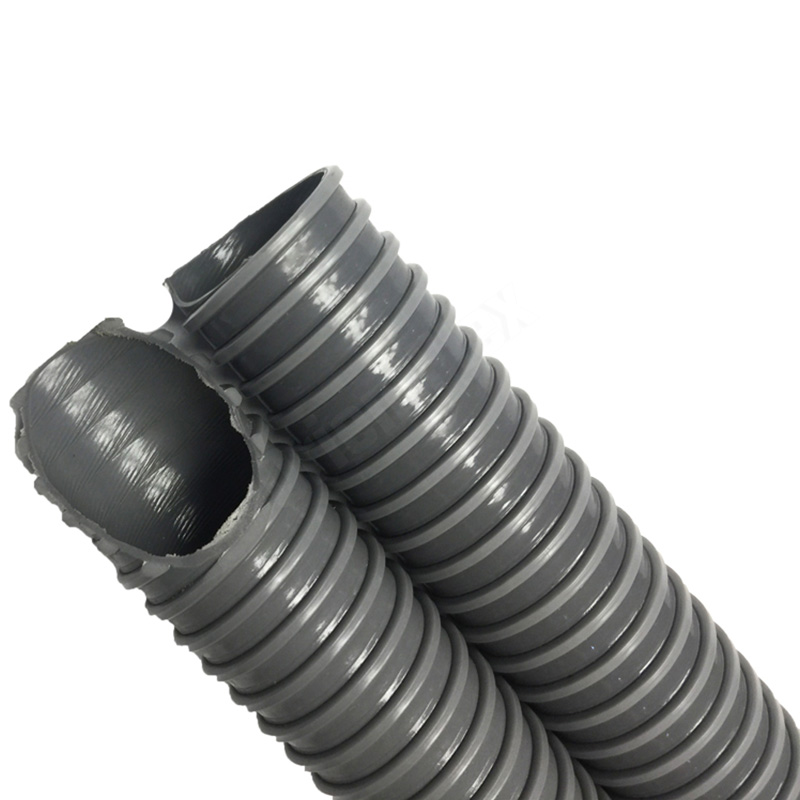
PVC Helix Duct Hose Flexible Duct Hose