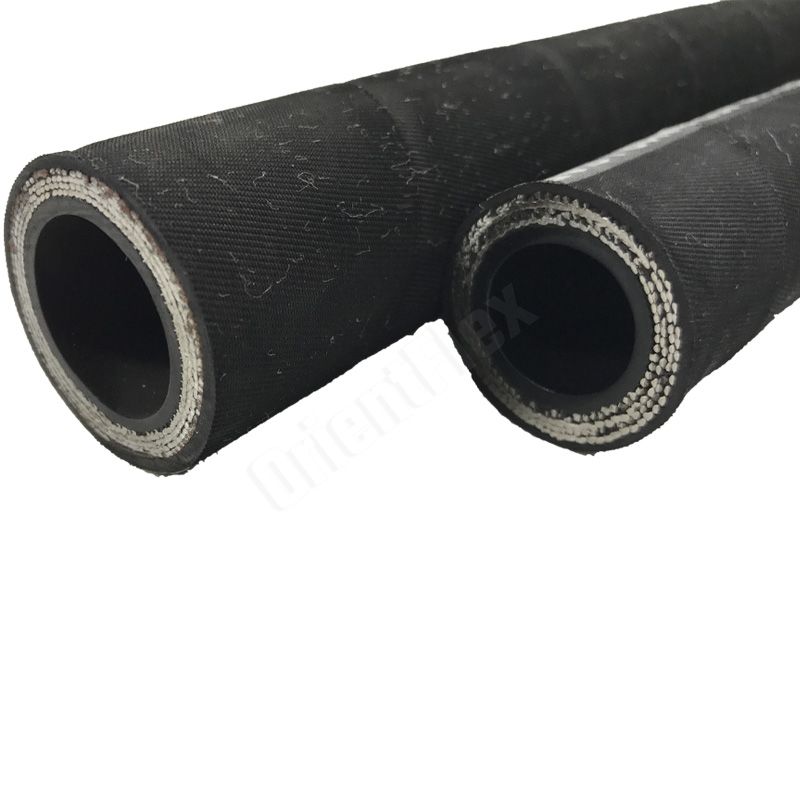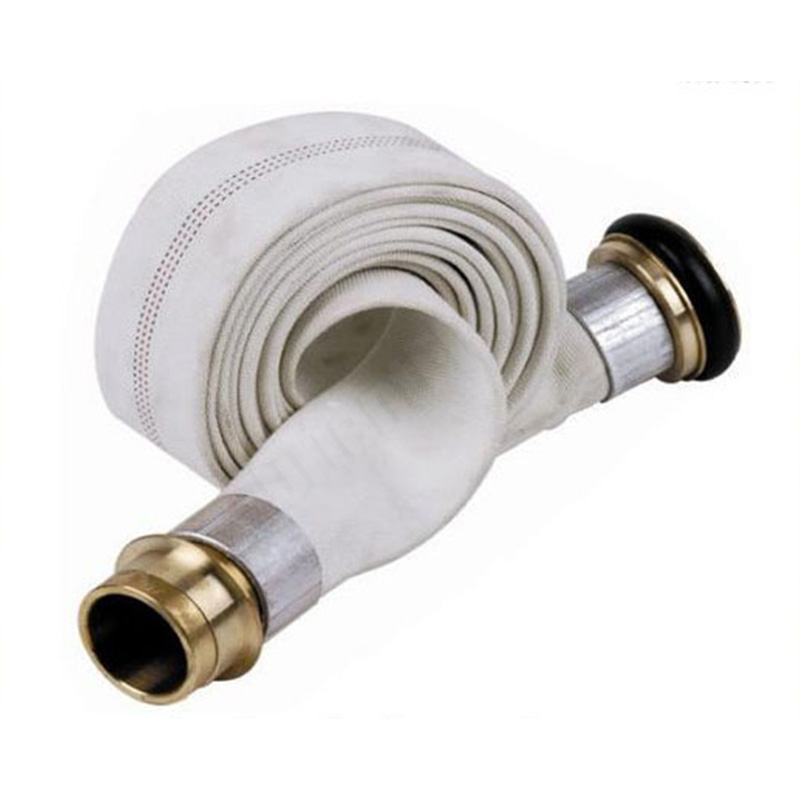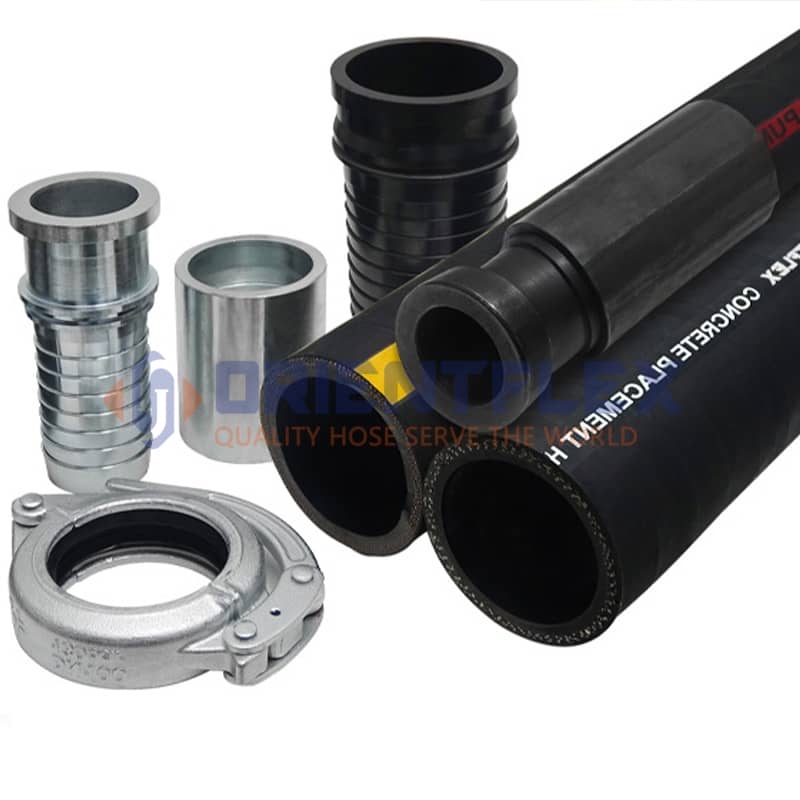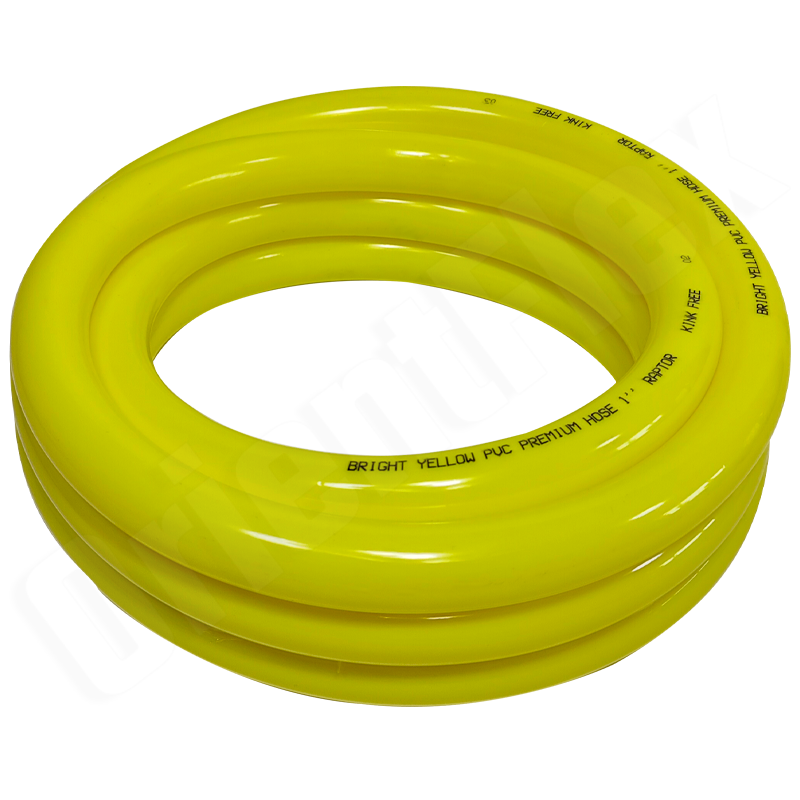
Featured Underground Cable Protection Products
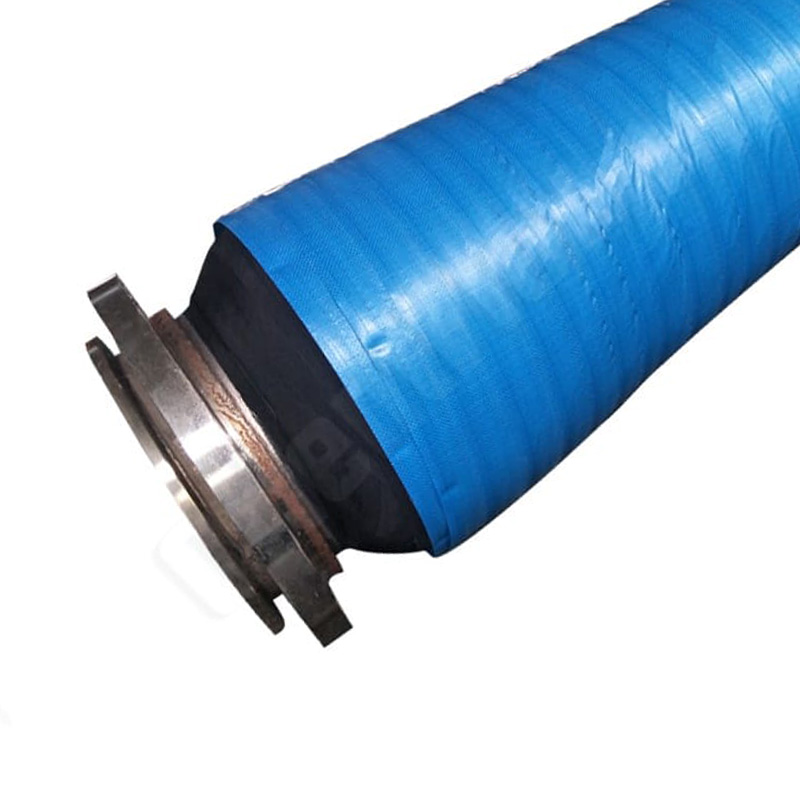
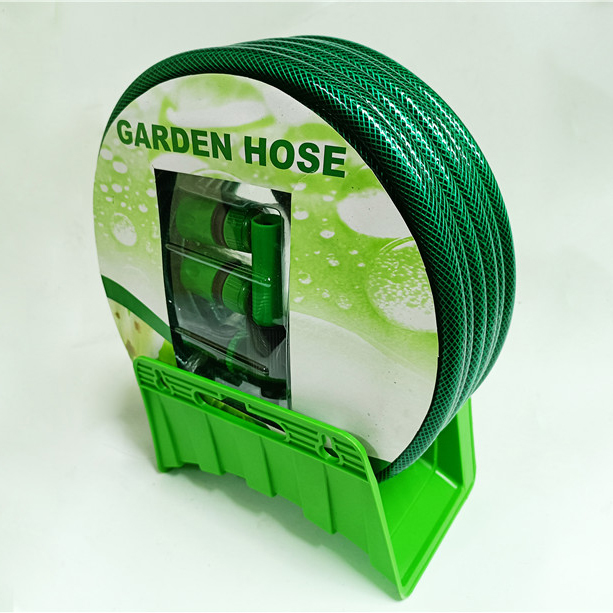
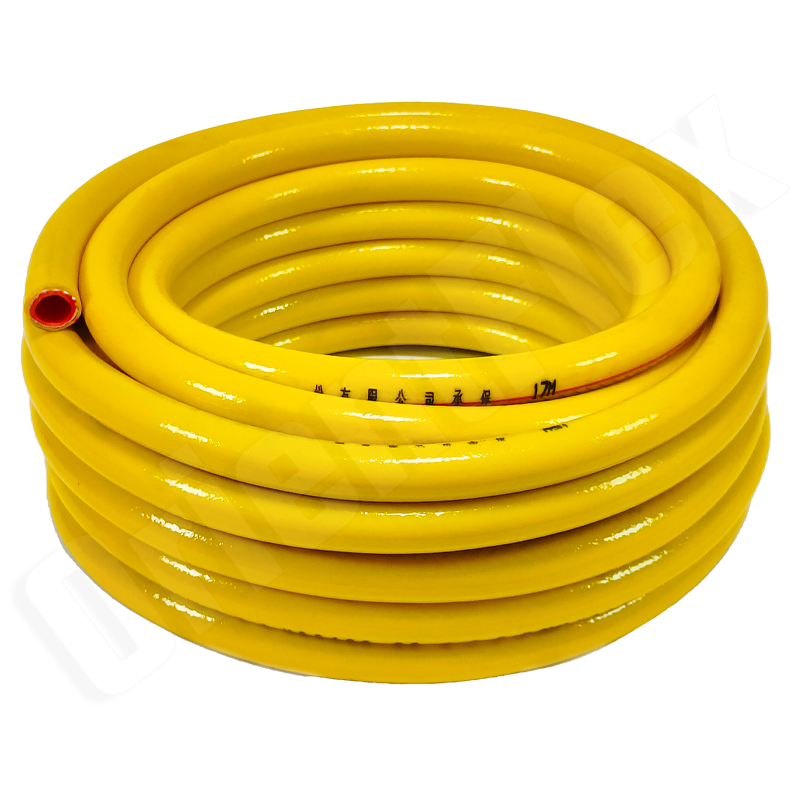
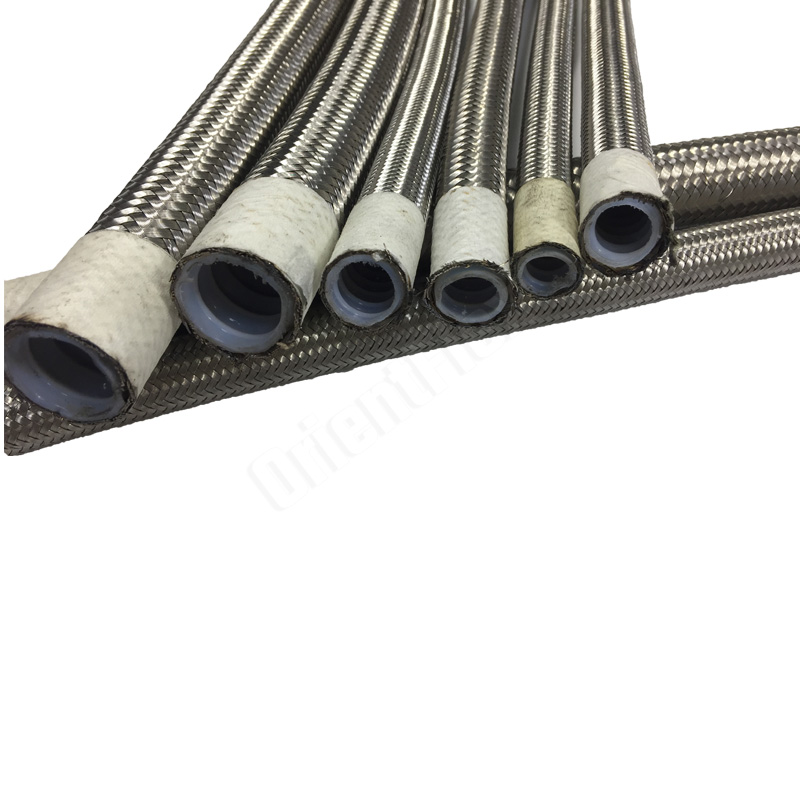
The Vital Role of Flexible PVC Hoses in Modern Subterranean Infrastructure
In the era of smart cities, high-speed fiber-optic deployments, and grid modernization, the integrity of underground cabling systems is paramount. Underground utilities face a hostile subterranean environment characterized by shifting soil loads, moisture infiltration, chemical exposure, temperature fluctuations, and mechanical stress. Traditional rigid conduits often fall short in these demanding conditions, leading to premature cable failures and expensive excavation repairs.
This is where the Flexible PVC Hose for Underground Cable Protection and Wire Conduits steps in as a critical engineering component. Uniquely combining structural resilience with high flexibility, these conduits allow engineers to easily navigate complex underground pathways, absorb ground settlements, and provide reliable long-term protection against external threats. Whether routing high-voltage power lines or sensitive telecommunication fibers, flexible PVC hoses represent the modern standard in sub-surface cable management.
Industrial & Commercial Status
The global market for underground cable protection has witnessed exponential growth. Driven by strict municipal regulations requiring the undergrounding of overhead power lines, engineering firms are prioritizing durable, easy-to-install flexible conduits. Modern PVC formulations have evolved beyond basic plastics to include advanced UV stabilizers, flame retardants, and impact modifiers, making them the preferred choice for industrial infrastructure developers worldwide.
Deep Application Scenarios of Flexible PVC Conduits
Flexible PVC hoses engineered for wire conduits are not one-size-fits-all solutions; they are tailored to survive and perform in diverse, highly specialized industries. Below is a deep dive into the primary environments where these conduits play a mission-critical role.
Municipal Power Grids & Substation Connections
Underground power distribution grids require robust protection against moisture and high mechanical loads. Flexible PVC conduits act as a barrier against water table fluctuations and prevent soil movement from straining cable joints. Their high dielectric strength ensures that even in the rare event of a cable fault, the surrounding environment remains safe.
Telecommunications & Fiber-Optic Networks
Fiber-optic cables are extremely sensitive to micro-bends and physical compression. The smooth inner wall of our flexible PVC hoses facilitates low-friction cable pulling over long distances. Additionally, their high flexibility allows installers to route around existing underground utilities without requiring complex joint fittings.
Industrial Automation & Factory Floor Cabling
On modern factory floors, control and power cables must be routed from central panels to heavy machinery. These pathways often involve sharp bends and constant exposure to industrial oils, coolants, and physical vibrations. Oil-resistant flexible PVC hoses provide the perfect shield, preventing oil ingress from degrading cable insulation.
Renewable Energy Infrastructure (Solar & Wind)
Solar farms and wind turbines generate vast amounts of power that must be transmitted to step-up transformers. These cables run through miles of trenches exposed to varying soil chemistries. Flexible PVC conduits resist soil acidity and alkaline conditions, ensuring the continuous flow of green energy to the grid.
Transportation & Tunnel Wiring Systems
Railways, subways, and highway tunnels rely on complex signaling and emergency lighting systems. In these confined spaces, fire safety is paramount. Specialty flame-retardant flexible PVC conduits with low smoke emission properties are deployed to protect critical wiring, ensuring safety systems remain operational during emergencies.
Marine & Coastal Utility Infrastructure
Coastal and marine environments present extreme challenges, including saltwater corrosion and constant moisture. Flexible PVC hoses designed for underground and underwater transitions offer unparalleled resistance to saline environments, making them ideal for coastal wind farm connections and dockside utility routing.
Key Technical Advantages and Engineering Specifications
Choosing the right conduit material is a balance of mechanical performance, environmental resistance, and economic viability. Flexible PVC hoses excel across all these engineering metrics, outperforming traditional materials like steel, concrete, or rigid HDPE in several key areas:
1. Superior Flexibility and Minimum Bend Radius
Unlike rigid conduits that require elbow joints and couplings to change direction, flexible PVC hoses can bend smoothly around obstacles. This dramatically reduces the number of joints in a run, minimizing potential points of water ingress and structural failure. It also speeds up installation, lowering overall project labor costs.
2. Excellent Crush & Impact Resistance
Subterranean conduits must bear the weight of backfilled soil and heavy traffic loads from above. High-quality flexible PVC hoses are engineered with reinforced corrugated structures or spiral reinforcement, allowing them to absorb external pressures and bounce back without collapsing or pinching the internal cables.
3. Chemical and Corrosion Immunity
Underground soils can be highly corrosive, containing acids, alkalis, salts, and agricultural runoff. PVC is naturally inert to these chemical agents. It does not rust like steel or degrade like concrete, ensuring a service life that easily exceeds 50 years under normal subterranean conditions.
4. Advanced Thermal and Electrical Insulation
PVC is an excellent electrical insulator, preventing stray currents from escaping and protecting technicians during excavation. Furthermore, specialized thermal stabilizers allow these hoses to maintain their physical properties across a wide temperature range, preventing brittleness in freezing winters and softening in hot summers.
Future Trends in Underground Cable Protection
The underground conduit industry is evolving rapidly, driven by technological advancements and sustainability goals. One of the most significant trends is the integration of Smart Conduits. These systems incorporate embedded fiber sensors within the PVC hose wall to detect temperature spikes, moisture levels, or mechanical strain, warning utility operators of potential faults before they cause grid blackouts.
Additionally, the industry is transitioning toward Eco-Friendly Formulations. Manufacturers are actively replacing traditional heavy-metal stabilizers (such as lead) with calcium-zinc alternatives and incorporating bio-based plasticizers. This reduces the carbon footprint of conduit production and ensures that the materials do not leach harmful substances into the surrounding soil over decades of service.
Hebei Orient ADMA Tech Group Co., Ltd.
Who We Are
Hebei Orient Rubber & Plastic Co., Ltd. was set up in 2010. We are a manufacturer integrating produce and export hoses and fittings. For our product, we have 5 series and more than 150 types. The 5 series include industrial hose, thermoplastic hose, hydraulic hose, silicone hose and auto hose. After 13 years' high speed development, we become a group company in 2023.
Development History
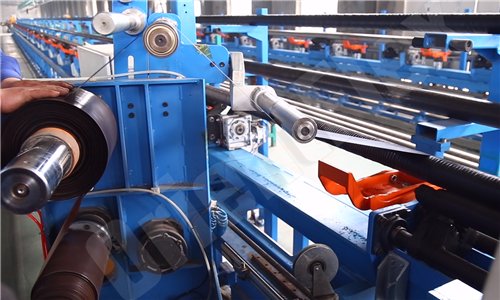
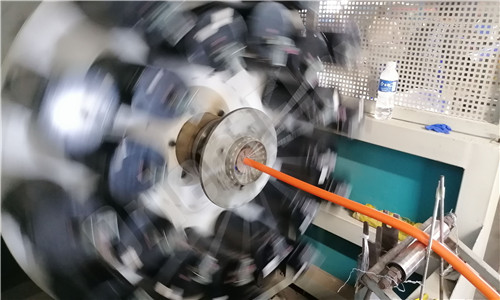
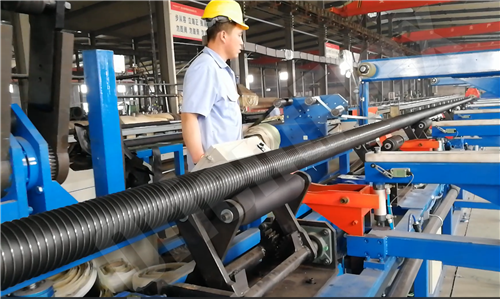
At the beginning of our establishment in 2010, we have just 10 members. But after 14 year’s develop, we have over 180 people now. Meanwhile, we constantly expand the scale our factory. Besides, we constantly improve our technology and update advanced equipment. As a result, our production efficiency has been greatly improved. While our products become better and better. And now, our supply capacity reaches 100 containers per month.


Our Manufacturing Strengths
With over a decade of industry expertise, Hebei Orient ADMA Tech Group delivers high-performance cable protection solutions backed by international certifications and unmatched production capacity.
14 Years' Export Experience
Demonstrated track record of exporting premium industrial hoses and conduits to global markets, ensuring compliance with diverse regional standards.
Global Reputation
Trusted by engineering firms and utility operators across the globe for reliable performance in critical infrastructure projects.
One-Stop Service
From custom conduit design and material formulation to manufacturing, testing, and shipping, we handle the entire lifecycle.
Flexible Payment Terms
Offering multiple secure and flexible payment structures to facilitate smooth international trade and long-term partnerships.
Uncompromising Quality
Every batch undergoes rigorous quality checks to verify crush resistance, dielectric strength, and thermal stability before dispatch.
Professional Support Team
Our dedicated sales and technical support teams are available 24/7 to assist with engineering specifications and after-sales service.
International Certifications
Fully certified under ISO 9001, ISO 14001, CE, FDA, REACH, and other key global quality and environmental standards.
High Risk Mitigation
Equipped with robust supply chain management and financial stability to guarantee uninterrupted production and delivery schedules.
Global Business Network
Established distribution networks and partnerships spanning Europe, North America, South America, Asia, and Africa.