Key Cable Protection Systems
Explore our top-performing flexible conduits engineered specifically for underground cable shielding and industrial wire protection systems.
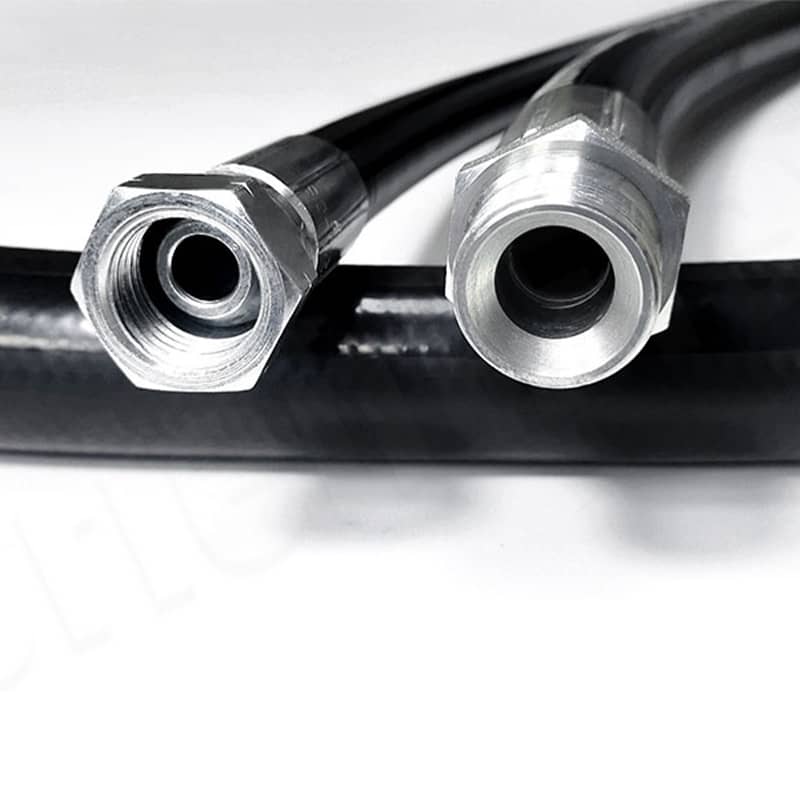
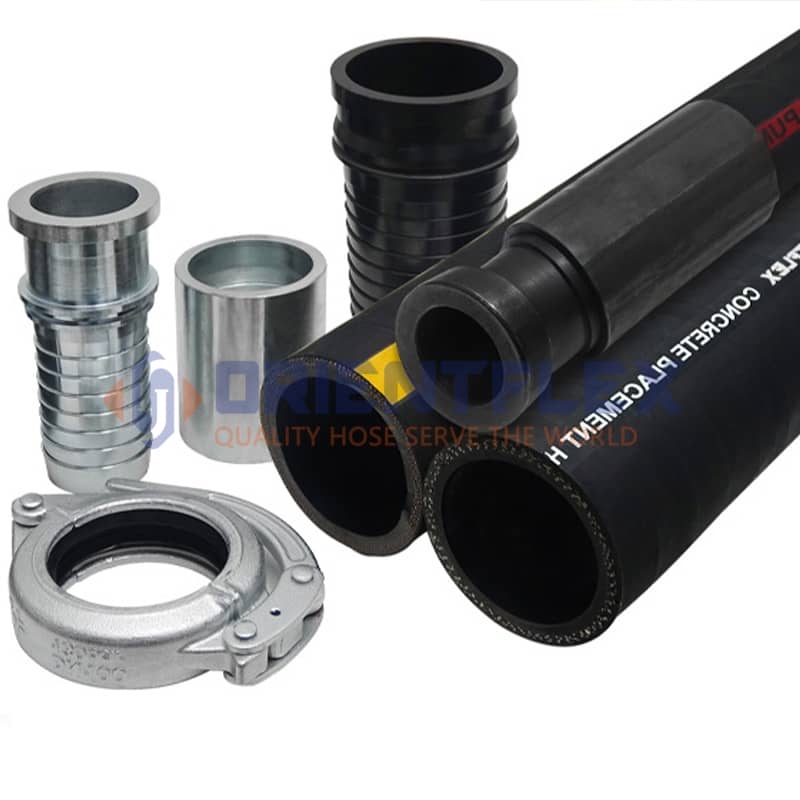
Flexible Sewer Flushing Hose & Heavy-Duty Cable Protection Conduit
View Details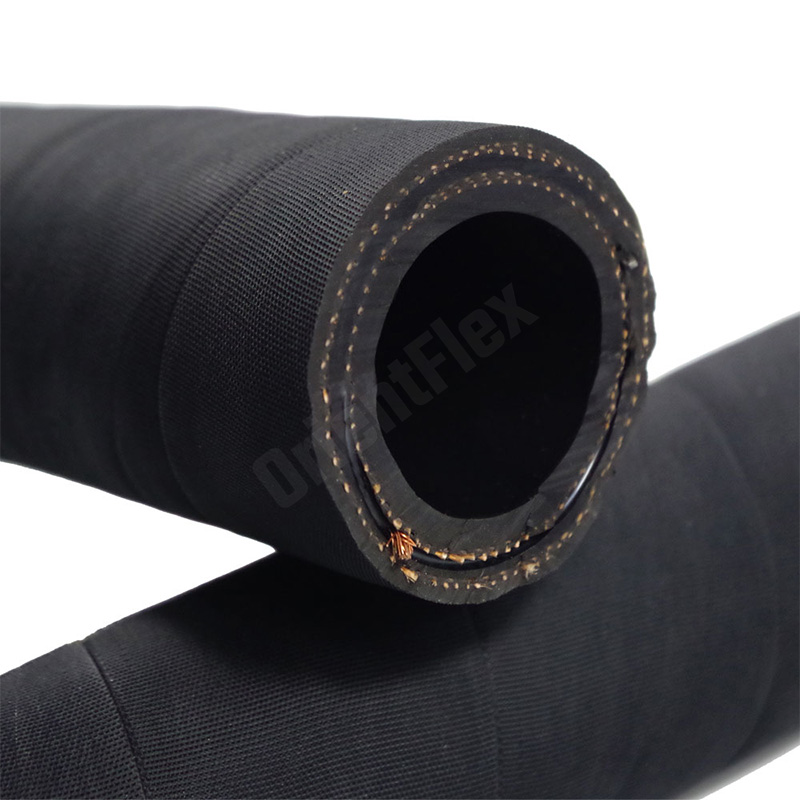
SAE 100 R4 Textile Reinforced Flexible Conduit for Underground Wire Protection
View Details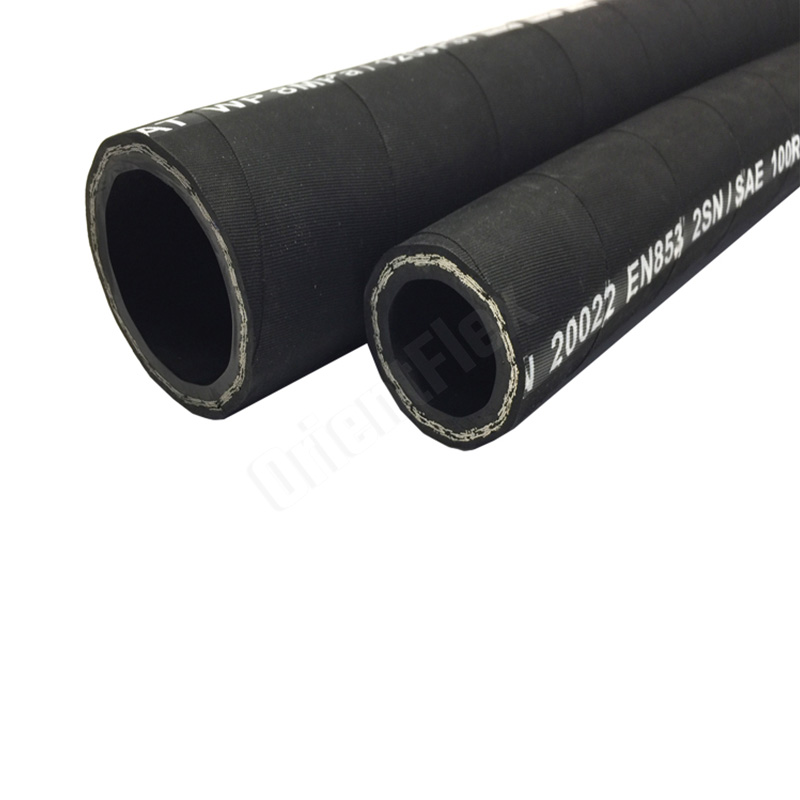
SAE 100 R2 Steel Wire Reinforced High-Strength Underground Cable Conduit
View Details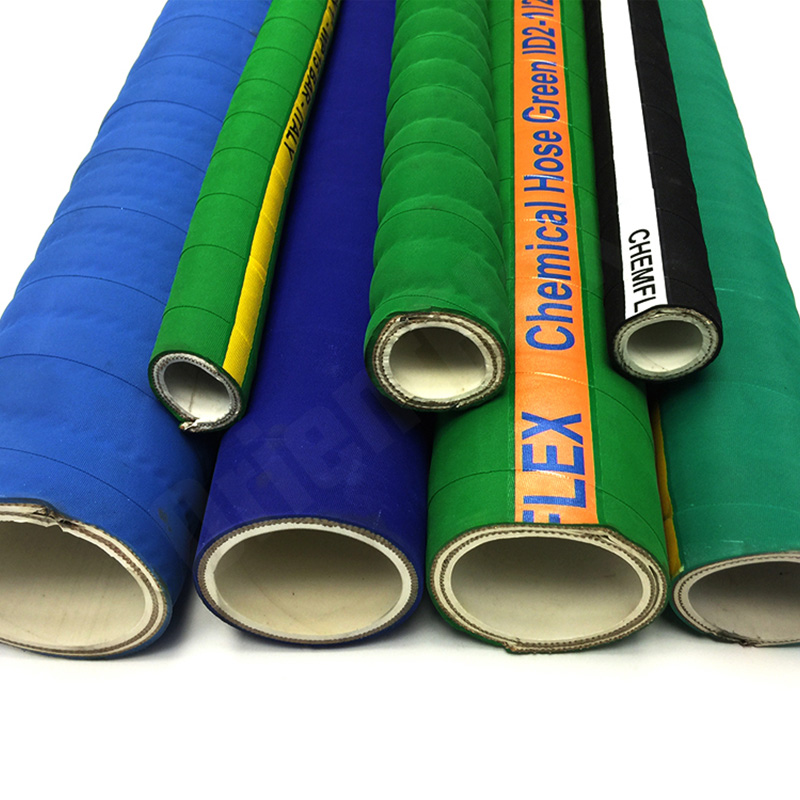
UHMWPE Chemical Suction Conduit for Corrosive Underground Cable Environments
View DetailsCommercial and Industrial Status of Flexible PVC Conduit Systems
In modern municipal engineering, telecommunications, and power grid construction, the transition from overhead wiring to underground cabling has become a global standard. Underground cable protection systems are essential to shield power grids and communication lines from environmental hazards, mechanical stress, and chemical exposure. Among the various materials used, Flexible PVC Pipe for Underground Cable Protection and Wire Conduits has emerged as a dominant solution across industrial, commercial, and utility sectors.
The commercial demand for flexible PVC pipes is driven by their unique balance of structural strength, flexibility, and cost-effectiveness. In the past, rigid metal conduits (RMC) and heavy-walled rigid PVC pipes were the primary choices. However, modern infrastructure requires conduit networks that can navigate complex subterranean pathways, bypass existing utility lines, and withstand shifting soil dynamics without cracking or collapsing. The flexible PVC pipe solves these challenges, dramatically reducing labor costs and installation times by eliminating the need for numerous elbows and joints.
High Dielectric Strength
Offers superior electrical insulation properties, eliminating risk of ground faults and ensuring safe operation of high-voltage lines.
Chemical Resistance
Inherent resistance to acids, alkalis, salts, and moisture prevents degradation in corrosive soil environments.
Seismic Resilience
Flexible structural dynamics allow the conduit to bend and absorb soil settlement and seismic shifts without rupturing.
Globally, the market for flexible nonmetallic conduits is expanding rapidly, with a projected compound annual growth rate (CAGR) of over 6.5% in the coming decade. This growth is heavily supported by massive public investments in smart grid upgrades, renewable energy integration (such as wind and solar farm layouts), and the global rollout of 5G telecommunication networks. As power grids become more decentralized, the need for robust, reliable, and quickly deployable underground wire conduits has never been more critical.
Deep-Dive into Subsurface Application Scenarios
Underground environments present unique challenges that vary significantly depending on the depth, location, and purpose of the installation. Flexible PVC pipes are engineered to adapt to these diverse conditions, providing custom protection across several key application scenarios:
1. Municipal Power Grid and Substation Connections
Within municipal power grids, cables run beneath busy roads, sidewalks, and parks. These cables are subjected to constant vibration from heavy traffic and shifting soil loads. Flexible PVC conduits act as a protective barrier, absorbing mechanical shock while maintaining a watertight seal. In high-voltage substations, where cables must navigate tight bends and transition from underground trenches to overhead terminators, the high flexibility of PVC pipes allows for smooth routing without the need for complex, leak-prone joints.
2. Telecommunication and Fiber-Optic Networks
Fiber-optic cables are highly sensitive to physical stress and micro-bending, which can degrade signal quality. Flexible PVC micro-conduits provide a smooth, low-friction internal pathway that protects delicate glass fibers during installation and throughout their operational life. The water-resistant nature of PVC prevents moisture ingress, which can freeze in cold climates, expanding and causing micro-fractures in the fiber core.
3. Industrial Automation and Petrochemical Plants
In industrial facilities, control wiring and power lines are often exposed to harsh chemicals, oils, and solvents. Flexible PVC conduits with specialized co-extruded outer layers provide chemical resistance, ensuring that corrosive substances do not penetrate the conduit and cause electrical short circuits. Additionally, in hazardous areas, liquid-tight flexible nonmetallic conduits (LFNC) prevent the entry of explosive gases or dust, enhancing overall facility safety.
4. Renewable Energy Infrastructure (Wind & Solar Farms)
Solar arrays and wind turbines are frequently installed in remote areas with rugged terrain and rocky soils. The excavation of deep, smooth trenches is often impractical. Flexible PVC pipes can be laid directly in shallow, rocky trenches because they conform to the uneven terrain. Their robust external walls protect the internal DC and AC cables from abrasion against sharp rocks during soil backfilling and settlement.
Material Evolution and Technological Trends
The field of thermoplastic conduit manufacturing is experiencing continuous innovation. Manufacturers are developing advanced formulations to enhance the thermal, mechanical, and ecological performance of flexible PVC pipes:
Co-Extrusion and Multi-Layer Technology
Modern manufacturing processes utilize multi-layer co-extrusion to produce conduits with tailored properties. For example, a conduit can feature a high-impact, UV-resistant outer layer to protect against surface exposure, a rigid PVC spiral reinforcement core for crush resistance, and a super-smooth, low-friction inner lining to ease cable pulling. This multi-layer approach optimizes the performance of the conduit without increasing its overall weight or thickness.
Eco-Friendly and Halogen-Free Formulations
With the rising demand for sustainable construction materials, manufacturers are developing bio-based plasticizers and lead-free stabilizers. In enclosed underground environments like transit tunnels or data centers, Low Smoke Halogen-Free (LSHF) PVC blends are used. These specialized materials emit minimal smoke and zero toxic halogens in the event of a fire, safeguarding public safety and protecting sensitive electronic equipment from acidic soot.
Future Trends: Smart Conduits
The integration of Internet of Things (IoT) technology into civil infrastructure has paved the way for "smart" conduit systems. Future flexible PVC pipes are being designed with embedded fiber-optic sensors or RFID chips. These sensors allow operators to monitor temperature variations along the cable run, detecting overloaded cables or insulation degradation before a failure occurs. Furthermore, RFID tags facilitate the precise mapping of underground utility networks, preventing accidental damage during subsequent excavations.
Hebei Orient ADMA Tech Group Co., Ltd.
Who We Are
Hebei Orient Rubber & Plastic Co., Ltd. was set up in 2010. We are a manufacturer integrating produce and export hoses and fittings. For our product, we have 5 series and more than 150 types. The 5 series include industrial hose, thermoplastic hose, hydraulic hose, silicone hose and auto hose. After 13 years' high speed development, we become a group company in 2023.
Our commitment to engineering excellence and customer satisfaction has enabled us to expand our reach across global markets, providing reliable conduit and hose solutions for critical infrastructure projects worldwide.
Development History
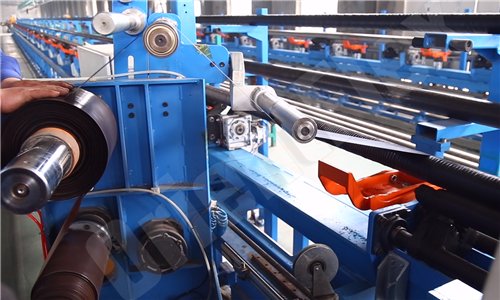
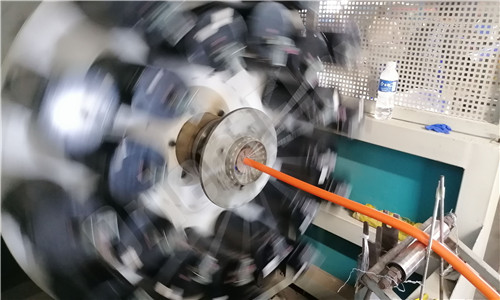
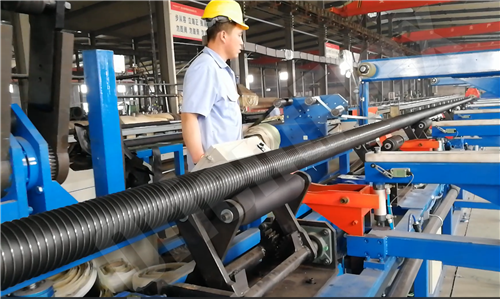
At the beginning of our establishment in 2010, we have just 10 members. But after 14 year’s develop, we have over 180 people now. Meanwhile, we constantly expand the scale our factory. Besides, we constantly improve our technology and update advanced equipment. As a result, our production efficiency has been greatly improved. While our products become better and better. And now, our supply capacity reaches 100 containers per month.


Our Strengths
Why leading engineering firms and global distributors choose Hebei Orient ADMA Tech Group as their trusted partner.
14 Years' Export Experience
Global Reputation
One-Stop Service
Flexible Payment Terms
High Quality Products
Professional Support Team
ISO, CE, FDA, Reach Certified
High Risk-Resistance Capacity
Worldwide Business Network
Our Complete Product Range
Discover our full line of industrial hoses and flexible conduits designed for underground wire protection, chemical transport, and heavy-duty applications.
Flexible Sewer Flushing Hose & Heavy-Duty Cable Protection Conduit
View Details
SAE 100 R4 Textile Reinforced Flexible Conduit for Underground Wire Protection
View Details
SAE 100 R2 Steel Wire Reinforced High-Strength Underground Cable Conduit
View Details
UHMWPE Chemical Suction Conduit for Corrosive Underground Cable Environments
View Details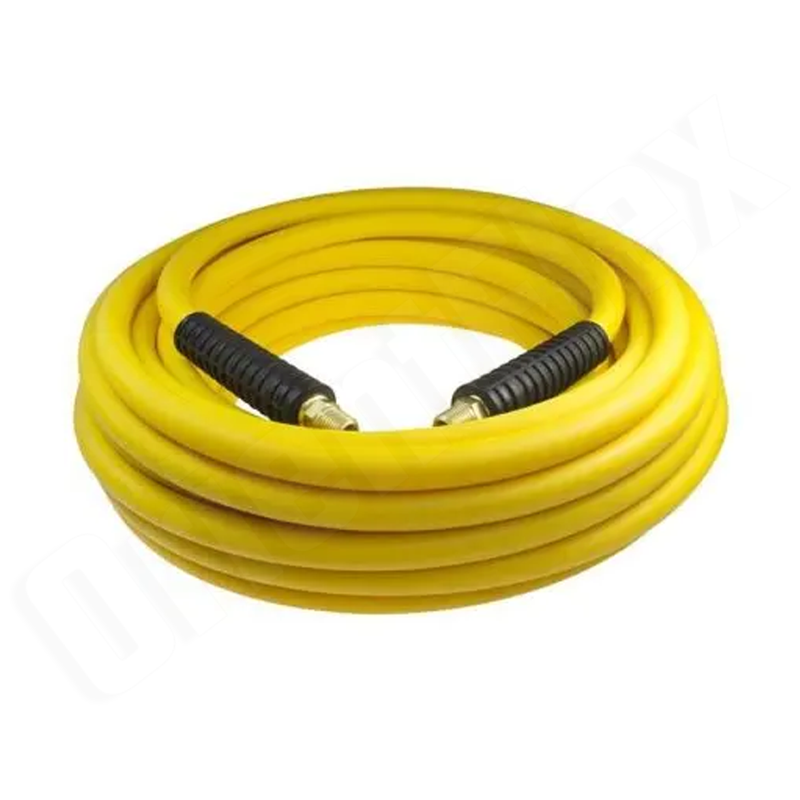
Hybrid Air Hose & Flexible PVC Conduit for Underground Wire Protection
View Details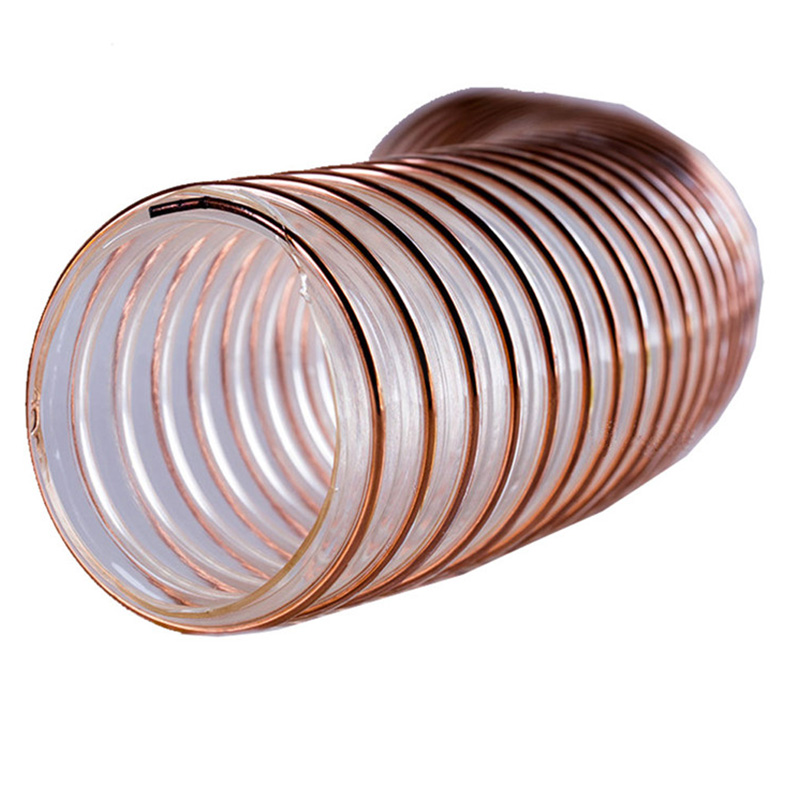
PU Ducting & Flexible Abrasion-Resistant Cable Protection Conduit
View Details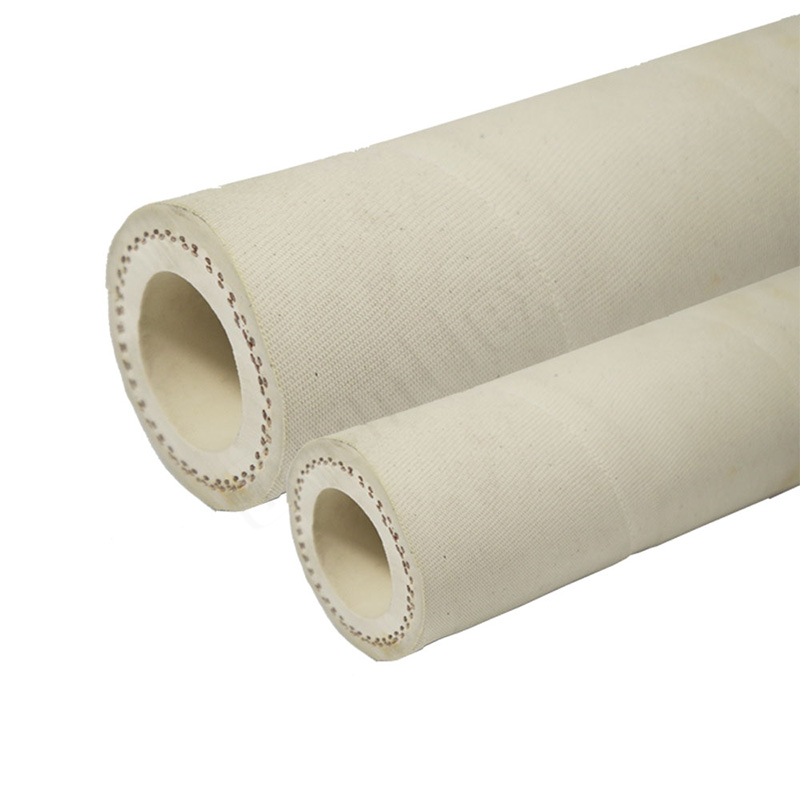
Heavy-Duty Washdown Hose & Protective Cable Conduit for Wet Environments
View Details