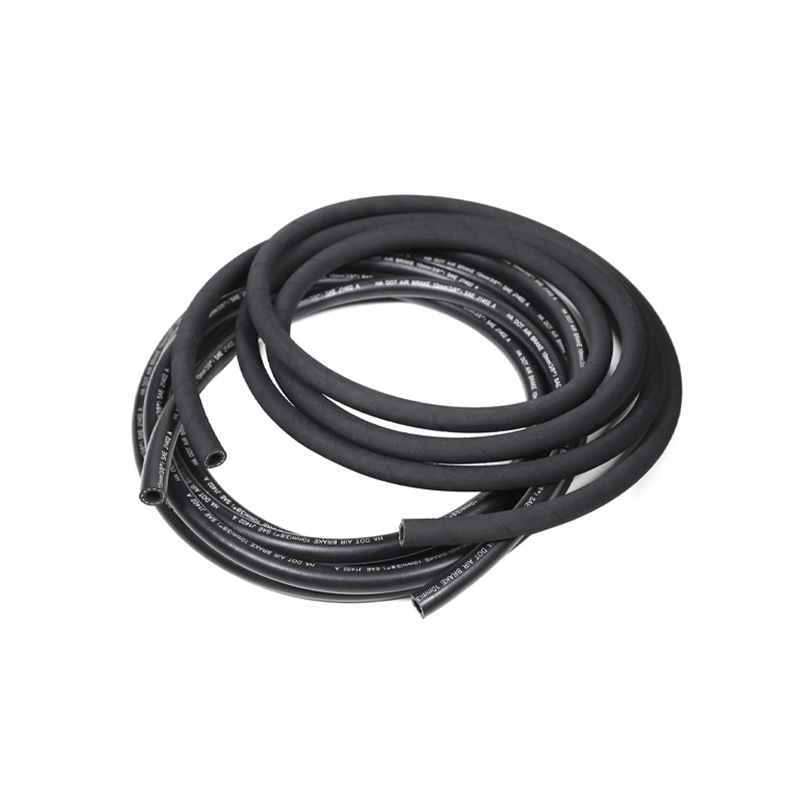
Featured Cleanroom Air Purification Products
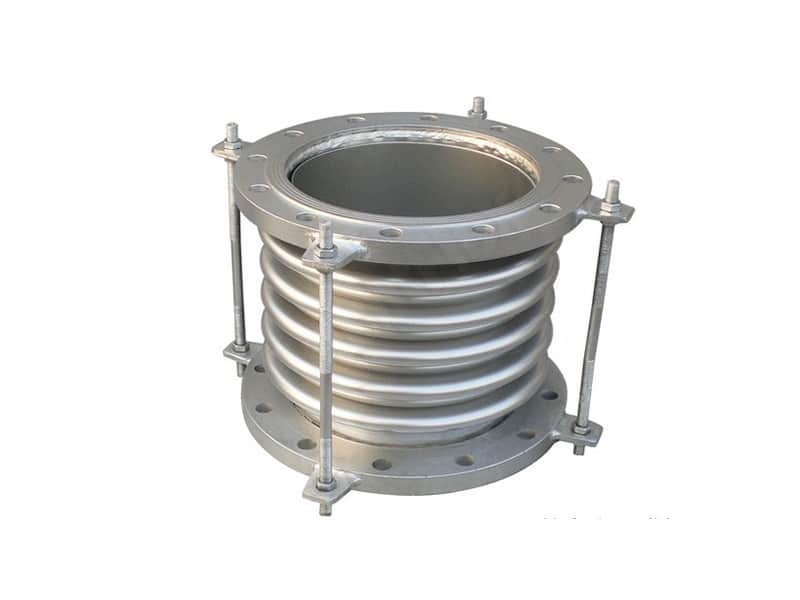
Flexible Metal Expansion Joints for Cleanroom Air Purification Ductwork
View Details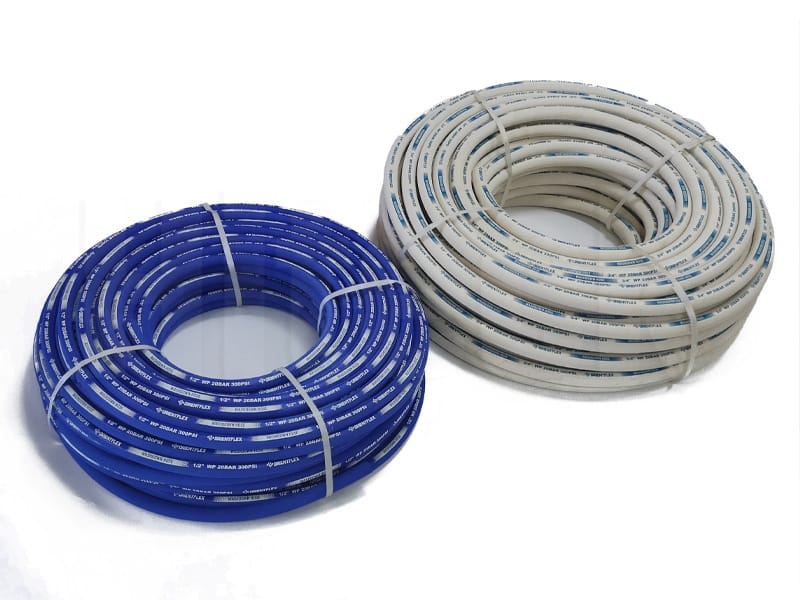
Sanitary PVC Washdown Hose for Cleanroom Air Purification and Food Grade Ductwork
View Details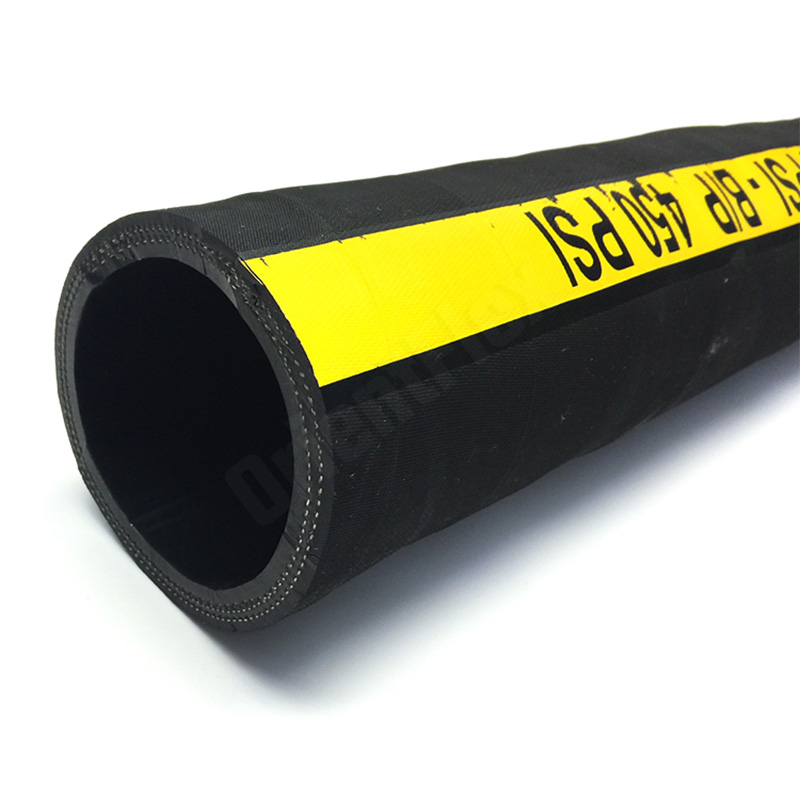
Heavy-Duty Rubber Air Discharge Hose for Cleanroom Air Purification and Industrial Ductwork
View Details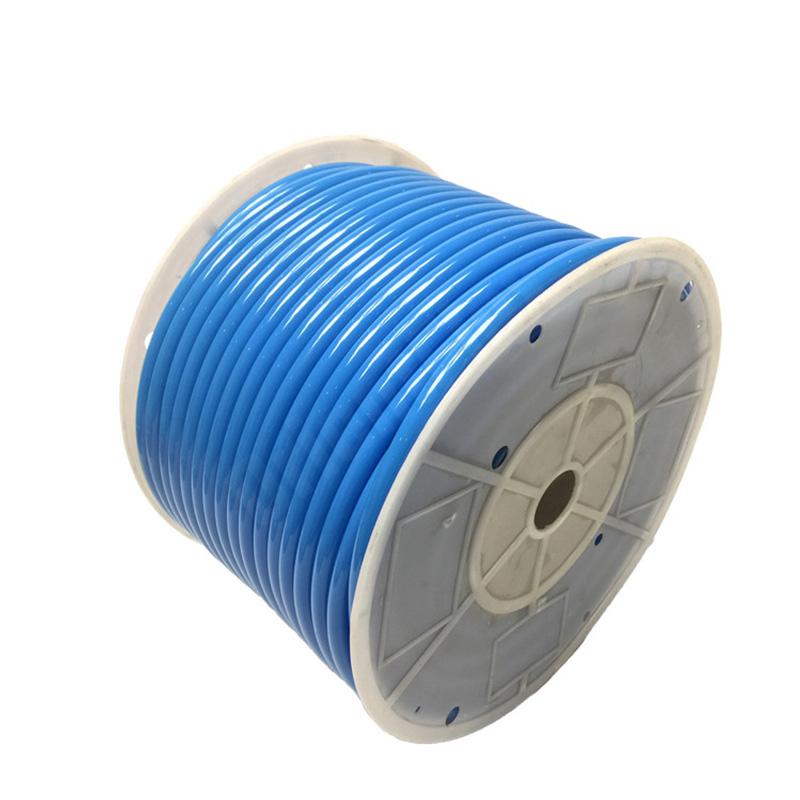
Anti-Static PU Pneumatic Hose for Cleanroom Air Purification and Automation Ductwork
View DetailsThe Critical Role of Flexible PVC Tubes in Modern Cleanroom Air Purification
Cleanrooms are highly controlled environments designed to maintain extremely low levels of airborne particles, such as dust, microbes, aerosol particles, and chemical vapors. These spaces are indispensable in critical sectors including semiconductor fabrication, pharmaceutical manufacturing, biotechnology, aerospace, and medical device assembly. In these environments, the HVAC (Heating, Ventilation, and Air Conditioning) and air purification ductwork function as the respiratory system of the facility. Choosing the appropriate ducting material is paramount, and flexible PVC tubes have established themselves as a premier choice for cleanroom air purification and ventilation ductwork.
Unlike standard industrial settings, cleanroom ductwork must comply with rigorous standards such as ISO 14644-1, which classifies cleanrooms from Class 1 (cleanest) to Class 9. The air distribution system must not only transport large volumes of HEPA-filtered air but also guarantee that it does not introduce any contaminants. Standard metallic ducting, while robust, is heavy, difficult to route through complex suspended ceilings, and prone to corrosion when exposed to chemical disinfectants or process exhaust. Flexible PVC tubing addresses these challenges by offering lightweight, highly adaptable, chemical-resistant, and non-contaminating pathways for air circulation.
Why Design Specifications Matter in Cleanroom Ductwork
In cleanroom air purification systems, ventilation lines must prevent static accumulation, outgassing, and microbial colonization. Standard PVC formulations are modified with advanced plasticizers and additives to achieve these goals, ensuring the flexible PVC tube meets the demanding requirements of modern high-tech facilities.
Industrial Status and Market Dynamics of Flexible PVC Tubing
The global cleanroom technology market is experiencing a significant surge, driven primarily by the exponential growth of the semiconductor industry and the rapid expansion of biopharmaceutical production. As microchips shrink to sub-nanometer nodes and biologic drugs become more sensitive, the tolerance for particulate contamination approaches zero. This trend has placed cleanroom ventilation components under intense scrutiny.
Historically, cleanroom ventilation relied on rigid galvanized steel or stainless steel ducts. While these materials are durable, they lack flexibility and are highly labor-intensive to install. The modern cleanroom design philosophy emphasizes modularity and rapid reconfiguration. Flexible PVC tubes meet this demand perfectly. The market has seen a transition from basic PVC utility hoses to highly engineered, co-extruded PVC tubes that incorporate carbon black or molecular anti-static agents, antimicrobial linings, and low-VOC (Volatile Organic Compound) stabilizers. This industrial shift has positioned flexible PVC tubing as a critical component in cleanroom air management systems, driving manufacturers to innovate and meet international safety and cleanroom regulations.
Cost-Effectiveness
Flexible PVC tubes significantly reduce installation labor costs and material waste compared to rigid metal ductwork, offering a faster return on investment for cleanroom projects.
Strict Compliance
Engineered to meet ISO cleanroom standards, FDA food-contact regulations, and CE certifications, ensuring safety and compliance across diverse industries.
Modular Versatility
Highly adaptable to cleanroom reconfigurations. Its flexible nature allows easy rerouting around new machinery and utility lines without major structural overhauls.
Deep Application Scenarios of Flexible PVC Tubes in Cleanroom Ventilation
The application of flexible PVC tubing in cleanroom ventilation is far-reaching. Different industries require customized formulations and structures to handle specific environmental challenges. Below are the primary application scenarios:
1. Semiconductor Fabrication and Electronics Assembly
In microelectronics manufacturing, electrostatic discharge (ESD) is a catastrophic hazard. Static electricity can attract microscopic dust particles to silicon wafers, destroying complex microchip patterns. Furthermore, ESD events can damage sensitive electronic components. Flexible PVC tubes used in semiconductor cleanrooms are formulated with electrostatic dissipative (ESD) properties. These tubes typically have a surface resistivity of 10^6 to 10^9 ohms, preventing static accumulation. They are utilized in localized exhaust ventilation (LEV) systems, connecting wafer processing chambers to primary exhaust headers, safely extracting toxic fumes and chemical byproducts without generating static fields.
2. Pharmaceutical Laboratories and Biotechnology Facilities
Biological cleanrooms require rigorous hygiene, frequent sterilization, and resistance to microbial growth. Flexible PVC tubing in these facilities is often treated with antimicrobial agents embedded directly into the plastic matrix. This prevents the formation of biofilms, mold, and bacteria inside the ductwork, which could contaminate the sterile air stream. Additionally, these tubes are highly resistant to chemical sanitizers, including hydrogen peroxide vapor (VHPV) and chlorine-based disinfectants, ensuring long-term durability under harsh cleaning regimens.
3. Medical Device Manufacturing Cleanrooms
The manufacturing of implants, surgical instruments, and diagnostic equipment must occur in cleanrooms free of particulate and biological contaminants. Flexible PVC tubing acts as the conduit for localized air extraction and positive-pressure air delivery to packaging stations. It ensures that sterile barriers are maintained until the devices are hermetically sealed, preventing contamination during the final production stages.
4. Food and Beverage Packaging Cleanrooms
Hygiene is the top priority in food cleanrooms. Flexible PVC ducting is used to transport clean, HEPA-filtered air to cooling tunnels and packaging lines. This prevents mold spores and airborne bacteria from contaminating products, extending shelf life. For these applications, the PVC material must comply with FDA regulations for food contact and be free of toxic phthalates.
| Cleanroom Type | Critical Requirement | Flexible PVC Tube Feature | Primary Application |
|---|---|---|---|
| Semiconductor Fab | ESD Prevention & Low Outgassing | Anti-static / Dissipative PVC | Local exhaust for etching & lithography |
| Pharmaceutical Lab | Sterile Air & Chemical Resistance | Antimicrobial & Chemical-resistant PVC | Laminar flow hood supply lines |
| Medical Device Cleanroom | Particulate Control & Flexibility | High-purity, Low-particulate PVC | Air delivery to packaging stations |
| Food & Beverage | FDA Compliance & Washdown Resistance | Food-grade, Phthalate-free PVC | Air distribution on packaging lines |
Technical Advantages & Material Science of Cleanroom-Grade PVC
The selection of flexible PVC over other polymers (such as polyurethane, silicone, or polyethylene) for cleanroom air purification and ventilation ductwork is based on several key technical advantages:
- Low Outgassing Properties: Standard PVC can release volatile plasticizers (outgassing), which can deposit on sensitive cleanroom surfaces. Specialized cleanroom-grade PVC utilizes polymeric plasticizers and advanced stabilizers to ensure extremely low outgassing, meeting strict ISO cleanroom compliance.
- Superior Flexibility and Bend Radius: Cleanroom ceilings and walls are packed with electrical conduits, water pipes, and structural supports. Flexible PVC tubes can navigate tight spaces and sharp bends without collapsing or restricting airflow, reducing the need for elbows and connectors.
- Chemical and Corrosion Resistance: Cleanroom air often carries corrosive chemical vapors from etching, cleaning, or sterilization processes. PVC is highly resistant to acids, alkalis, and alcohols, outlasting metal ducts that would corrode and release rust particles into the air stream.
- Vibration Damping: Unlike rigid metal ducts, flexible PVC absorbs vibrations from HVAC fans and machinery, preventing structural noise and keeping cleanroom instruments stable.
- Smooth Inner Bore: High-quality flexible PVC tubes are manufactured with an ultra-smooth inner surface. This design minimizes frictional air resistance, reduces turbulence, and prevents particulate accumulation inside the duct, ensuring consistent airflow and easier cleaning.
Future Trends and Technological Innovations
The cleanroom ventilation industry is continuously evolving, and flexible PVC tubing technology is advancing to meet new demands. Key trends shaping the future of this sector include:
1. Bio-Based and Eco-Friendly PVC: In response to global sustainability initiatives, manufacturers are developing bio-based PVC formulations. By replacing petroleum-derived plasticizers with bio-based alternatives (such as soybean or castor oil derivatives), companies can reduce their carbon footprint while maintaining the strict performance standards required for cleanroom applications.
2. Smart Sensing Integration: Research is underway to embed micro-sensors within the PVC tube walls. These sensors can monitor airflow velocity, pressure drops, temperature, and even electrostatic charge in real-time, sending data to cleanroom management systems for predictive maintenance and automated system adjustments.
3. Advanced Nanotechnology Coatings: Integrating silver nanoparticles or advanced biocides into the inner liner of the PVC tube prevents the growth of biofilms, mold, and bacteria, ensuring the air remains pristine throughout the ductwork lifecycle.
Hebei Orient ADMA Tech Group Co., Ltd.
Who We Are
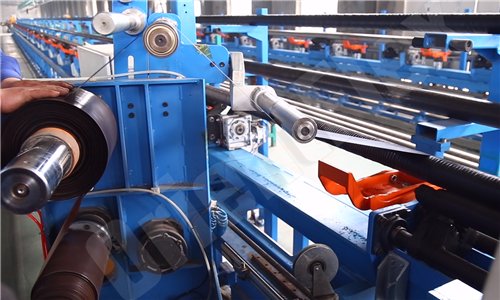
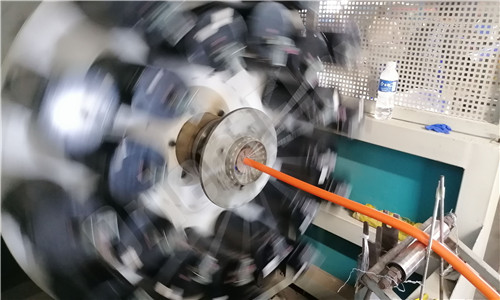
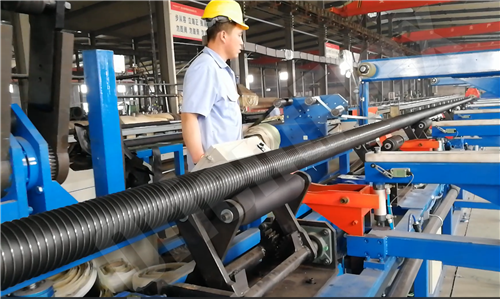
Hebei Orient Rubber & Plastic Co., Ltd. was set up in 2010. We are a manufacturer integrating produce and export hoses and fittings. For our product, we have 5 series and more than 150 types. The 5 series include industrial hose, thermoplastic hose, hydraulic hose, silicone hose and auto hose. After 13 years' high speed development, we become a group company in 2023.
Development History
At the beginning of our establishment in 2010, we have just 10 members. But after 14 year’s develop, we have over 180 people now. Meanwhile, we constantly expand the scale our factory. Besides, we constantly improve our technology and update advanced equipment. As a result, our production efficiency has been greatly improved. While our products become better and better. And now, our supply capacity reaches 100 containers per month.


Our Strengths
14 Years' Experience
Extensive experience in foreign trading and export, ensuring smooth transactions and logistics.
High Quality Products
Manufactured using advanced technology and equipment, adhering to strict quality control standards.
Good Reputation
Trusted by clients worldwide for our reliable products, professional service, and integrity.
Professional Support Team
Dedicated sales, after-sales, and technical support teams to assist you at every stage.
One-Stop Service
Comprehensive solutions from product design and manufacturing to export and delivery.
International Certifications
ISO 9001, ISO 14001, CE, FDA, Reach, and other certificates ensuring global compliance.
Convenient Payment Terms
Several terms of payment convenient and flexible to suit different business needs.
High Capacity of Anti-Risk
Strong financial and operational stability to mitigate risks and ensure continuous supply.
Wide Business Relationship
Extensive network and partnerships across the globe, facilitating international cooperation.
Complete Cleanroom Air Purification & Ductwork Series
Flexible Metal Expansion Joints for Cleanroom Air Purification Ductwork
View Details
Sanitary PVC Washdown Hose for Cleanroom Air Purification and Food Grade Ductwork
View Details
Heavy-Duty Rubber Air Discharge Hose for Cleanroom Air Purification and Industrial Ductwork
View Details
Anti-Static PU Pneumatic Hose for Cleanroom Air Purification and Automation Ductwork
View Details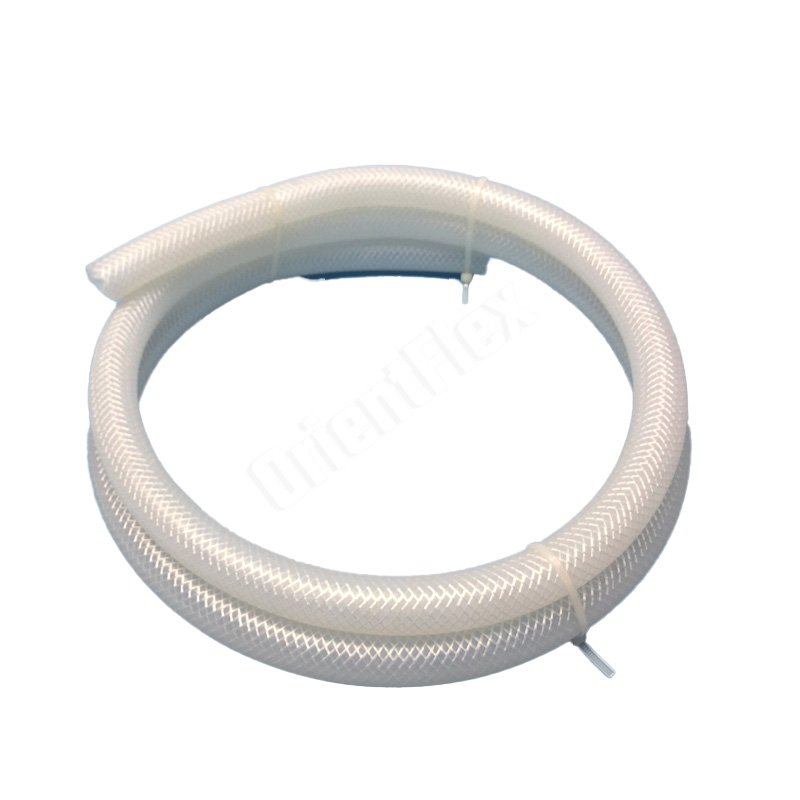
High-Purity Silicone Braided Hose for Cleanroom Air Purification and Pharmaceutical Ductwork
View Details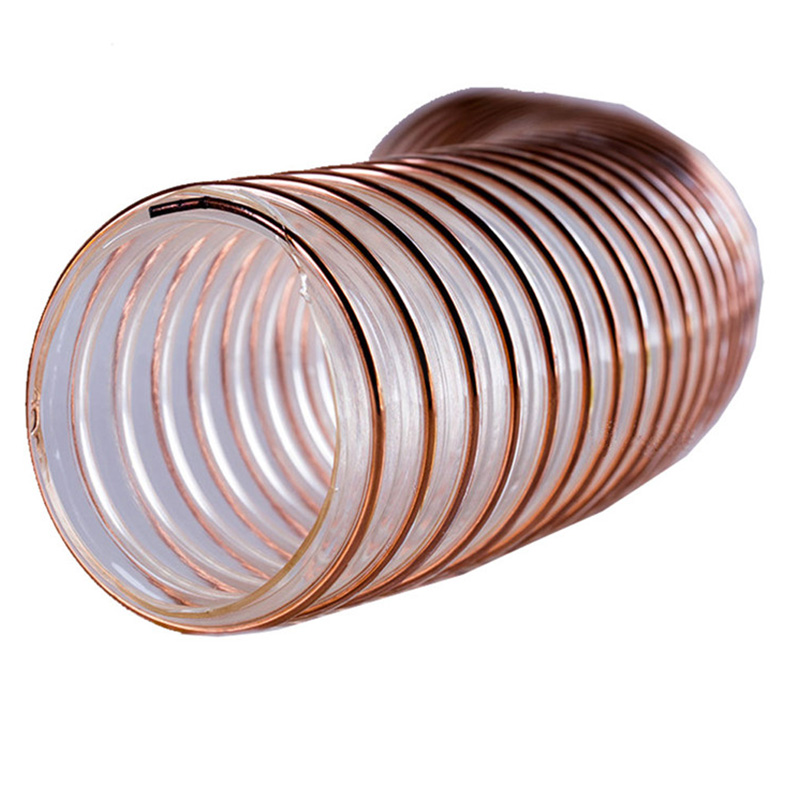
Highly Flexible PU Ducting for Cleanroom Air Purification and Ventilation Ductwork
View Details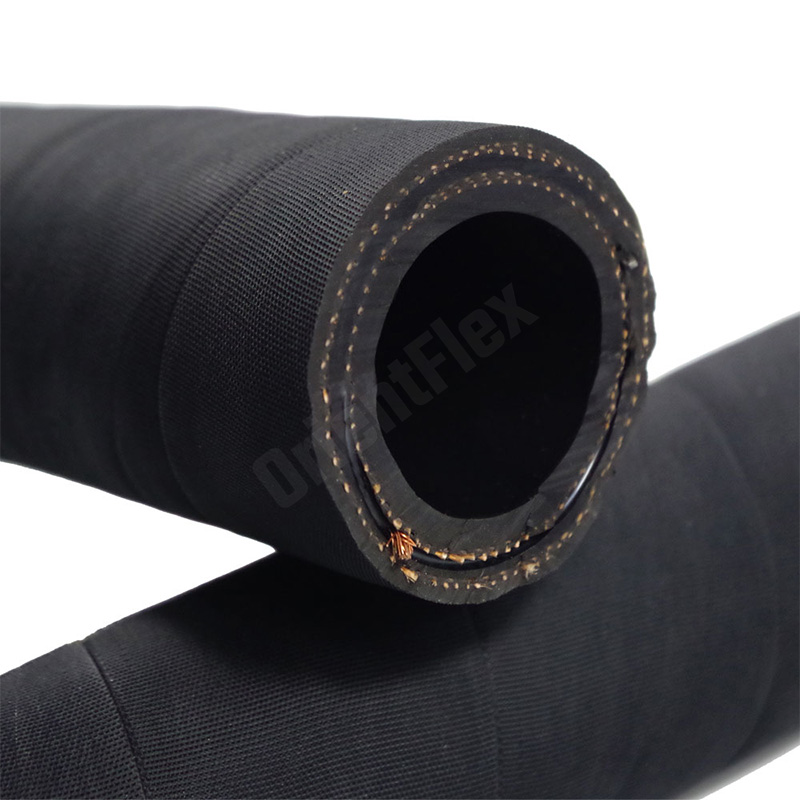
Reinforced Hydraulic Hose for Cleanroom Air Purification Systems and Ductwork Support
View Details