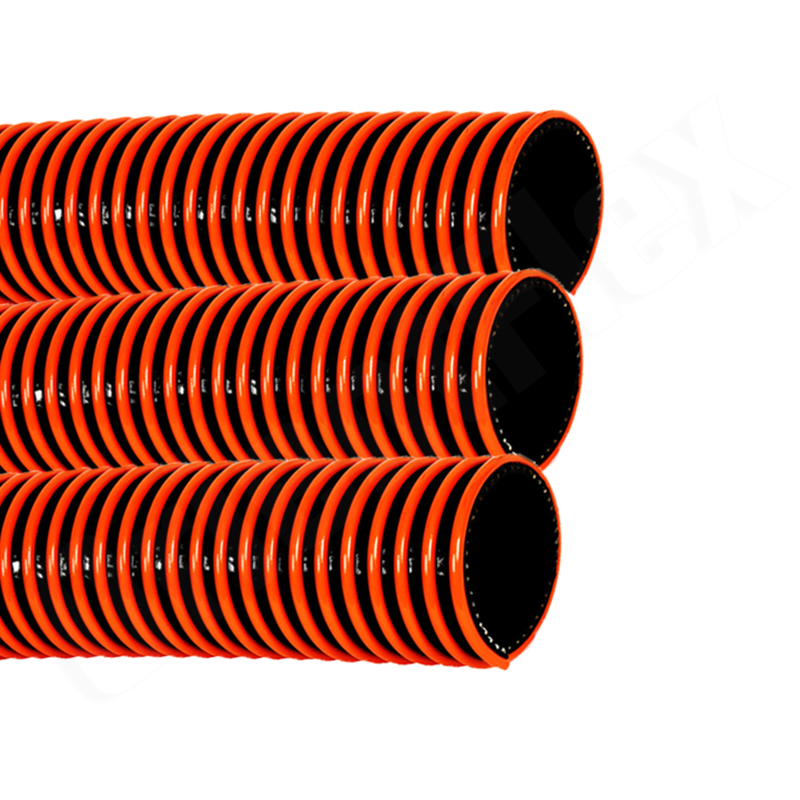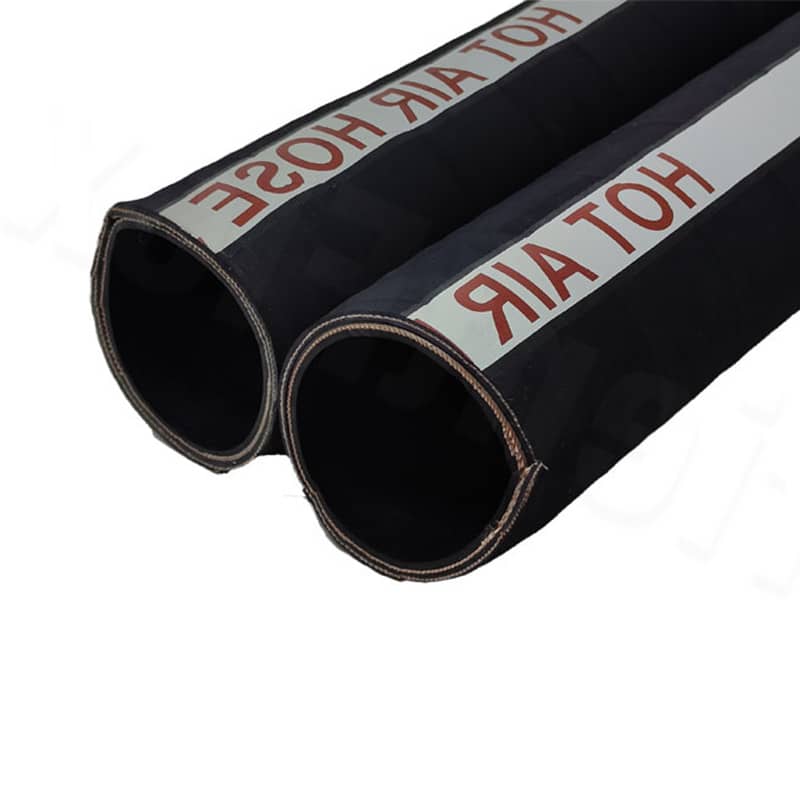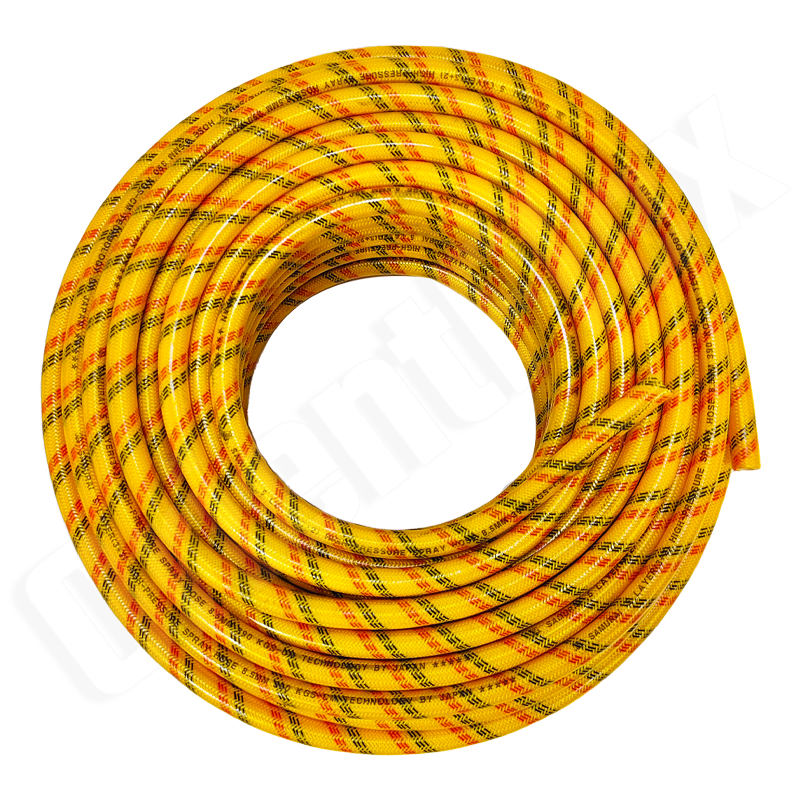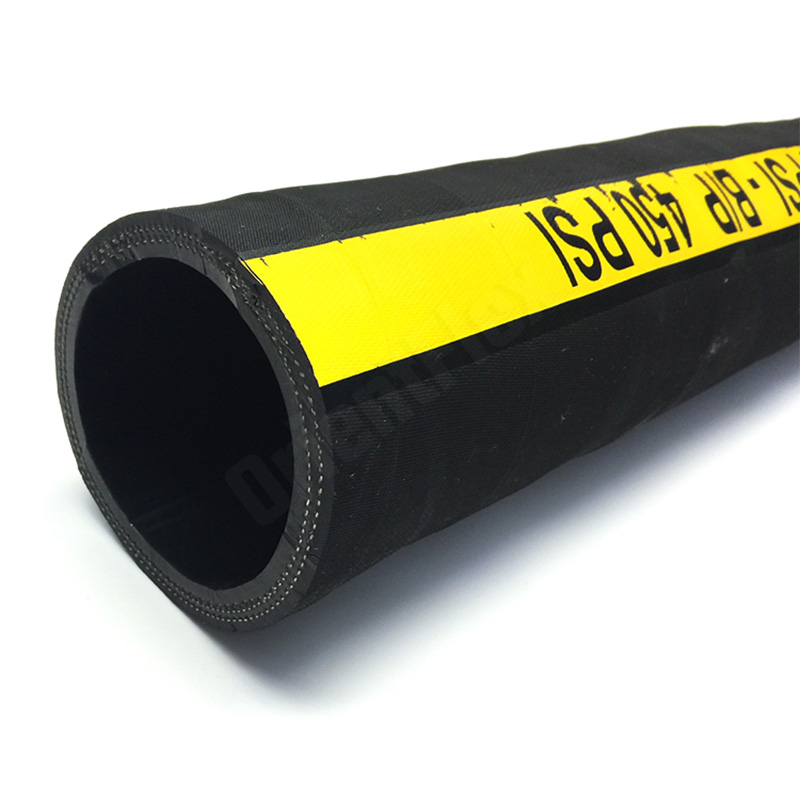
Featured Fluid Transfer Solutions
Engineered for precision dispensing, chemical resistance, and high-durability laboratory tasks.
The Critical Role of Flexible PVC Tubing in Modern Laboratory Environments
In modern analytical laboratories, biotechnology facilities, and pharmaceutical manufacturing plants, the integrity of fluid transfer systems is paramount. Flexible PVC tubing for laboratory liquid transfer and dispensing equipment represents the baseline technology that ensures contamination-free operation, precise volumetric dosing, and seamless fluidic routing. The unique physical properties of polyvinyl chloride (PVC)—when properly formulated with medical-grade plasticizers—allow it to bend, flex, and withstand the mechanical stresses of peristaltic pumps while maintaining chemical inertness against a wide array of reagents, acids, and biological buffers.
As laboratory automation and high-throughput screening (HTS) systems continue to evolve, the demand for highly specialized tubing has surged. Dispensing systems must operate continuously with micro-liter precision, requiring tubing that exhibits minimal inner diameter (ID) tolerances and low surface energy to prevent fluid retention. Choosing the correct formulation of flexible PVC tubing directly impacts the accuracy of diagnostic assays, the viability of cell culture media delivery, and the overall reliability of automated liquid handling platforms.
Did You Know?
Modern medical-grade flexible PVC tubing is engineered to be completely phthalate-free, leveraging advanced plasticizers like TOTM (Trioctyl trimellitate) or DEHT (Di-ethylhexyl terephthalate) to comply with strict global safety standards such as USP Class VI and REACH.
Industrial and Commercial Landscape of Lab Fluidics
The global market for laboratory liquid transfer components is experiencing rapid growth, driven by advancements in life sciences, in-vitro diagnostics (IVD), and clinical research. Flexible PVC tubing remains the material of choice for general laboratory fluidics due to its cost-effectiveness, transparency, and customizable physical properties. Unlike rigid fluoropolymers (like PTFE or FEP), PVC offers the high elasticity required for peristaltic pump applications, which are the backbone of automated dispensing equipment.
Commercially, manufacturers are focusing on producing co-extruded and multi-layer PVC tubing. These advanced configurations combine the chemical resistance of an inner liner (such as a thin layer of fluoropolymer or polyolefin) with the mechanical strength, flexibility, and cost efficiency of a PVC outer jacket. This hybrid design addresses the need for extreme chemical compatibility without sacrificing the physical flexibility required to route lines through tight spaces within compact benchtop laboratory instruments.
Regulatory Compliance and Quality Standards
In industrial and clinical laboratories, compliance is non-negotiable. Flexible PVC tubing destined for contact with biological fluids or pharmaceutical ingredients must adhere to rigorous regulatory frameworks:
- FDA Title 21 CFR: Ensures materials are safe for food and drug contact.
- USP Class VI Certification: Evaluates the biological reactivity of the plastic material in vivo, guaranteeing low toxicity.
- ISO 10993: Standardizes biocompatibility testing for medical device components.
- REACH & RoHS Compliance: Restricts the use of hazardous substances, ensuring heavy metals and banned phthalates are absent.
Deep-Dive Application Scenarios of Flexible PVC Tubing
To understand the utility of flexible PVC tubing, we must analyze its performance across specific, demanding laboratory applications:
1. Automated Liquid Handling and Dispensing Workstations
Automated workstations perform pipetting, dilution, and reagent dispensing at high speeds. The tubing connected to the automated manifold must maintain a constant internal volume even under rapid pressure changes. Flexible PVC tubing with tight dimensional tolerances prevents volumetric drift, ensuring that every dispensed droplet meets the exact volume requirement down to the microliter level.
2. Peristaltic Pump Delivery Systems
Peristaltic pumps rely on the cyclic compression and relaxation of the tubing wall to propel fluids. This requires a material with exceptional flex fatigue resistance. Specialized peristaltic-grade PVC tubing is engineered to recover its shape instantly after compression, providing a consistent flow rate over millions of pump cycles. Its smooth interior surface minimizes shear stress on sensitive biological molecules and cells.
High Optical Clarity
Enables laboratory technicians to easily monitor fluid flow and detect air bubbles or contamination within the line.
Flex Fatigue Resistance
Maintains structural integrity and elasticity under continuous mechanical compression in peristaltic pumps.
Low Extractables
Formulated to prevent chemical leaching, ensuring biological samples and reagents remain uncontaminated.
Sterilization Compatibility
Can withstand common sterilization techniques including Ethylene Oxide (EtO), Gamma Irradiation, and Autoclaving.
3. Bioreactor Feed and Harvest Lines
In bioprocess engineering, maintaining a sterile path is critical. Flexible PVC tubing is used to connect media reservoirs, acid/base control bottles, and harvest vessels to the bioreactor. The tubing must form a secure seal with sanitary fittings and connectors, preventing microbial ingress while resisting the chemical clean-in-place (CIP) agents used between batches.
4. In-Vitro Diagnostics (IVD) Reagent Lines
Clinical chemistry analyzers process hundreds of patient samples daily. The internal fluidic path requires tubing that is resistant to biological stains, enzymatic reagents, and mild acids. Flexible PVC tubing prevents adsorption of active ingredients, ensuring that diagnostic reagents do not degrade as they travel from storage bottles to the reaction cuvettes.
Hebei Orient ADMA Tech Group Co., Ltd.
Who We Are
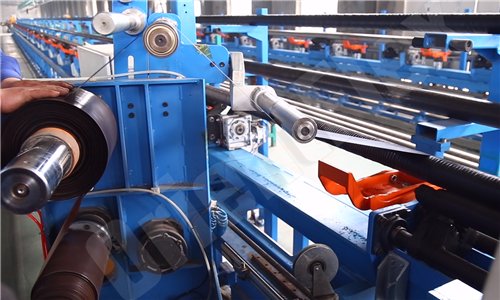
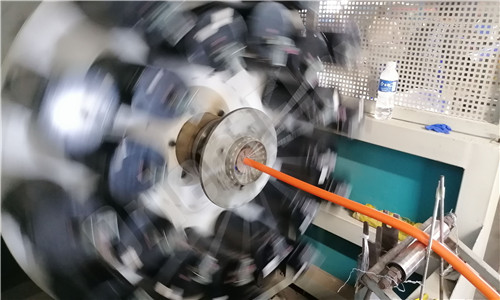
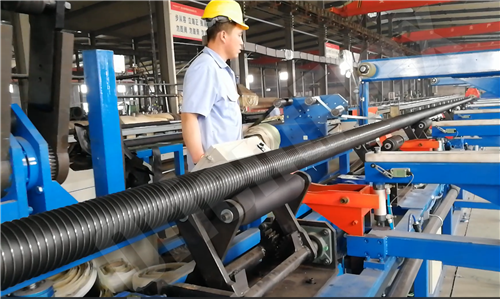
Hebei Orient Rubber & Plastic Co., Ltd. was set up in 2010. We are a manufacturer integrating produce and export hoses and fittings. For our product, we have 5 series and more than 150 types. The 5 series include industrial hose, thermoplastic hose, hydraulic hose, silicone hose and auto hose. After 13 years' high speed development, we became a group company in 2023.
Development History
At the beginning of our establishment in 2010, we had just 10 members. But after 14 years’ development, we have over 180 people now. Meanwhile, we constantly expand the scale of our factory. Besides, we constantly improve our technology and update advanced equipment. As a result, our production efficiency has been greatly improved, while our products become better and better. And now, our supply capacity reaches 100 containers per month.


Our Core Strengths
Why global laboratories and industrial equipment manufacturers trust Orientflex.
14 Years Experience
Over a decade of expertise in foreign trading, export, and custom polymer formulation for global markets.
Global Reputation
Trusted by research institutions and medical equipment manufacturers in over 80 countries.
One-Stop Service
From initial material compounding and tube extrusion to custom fitting integration and packaging.
Flexible Payments
Offering several terms of payment that are convenient, secure, and flexible for international clients.
Certified Quality
Certified under ISO 9001, ISO 14001, CE, FDA, REACH, and other major international standards.
High Anti-Risk Capacity
Robust supply chain management and large-scale manufacturing ensures continuous delivery under any market conditions.
Complete Industrial & Lab Hose Portfolio
Explore our full range of high-performance fluid transfer products, customized for laboratory, chemical, and industrial systems.