Featured Hydraulic Protection Solutions
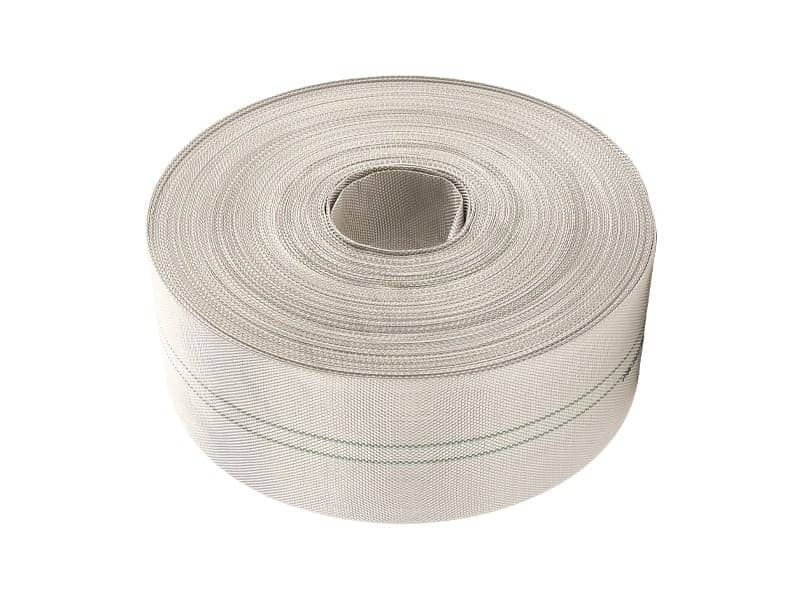
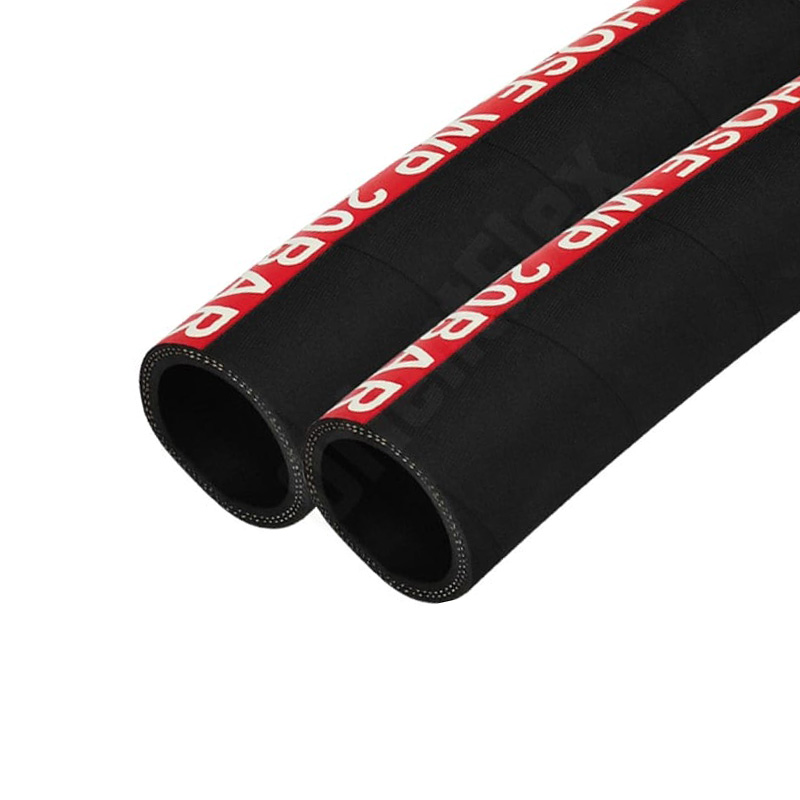
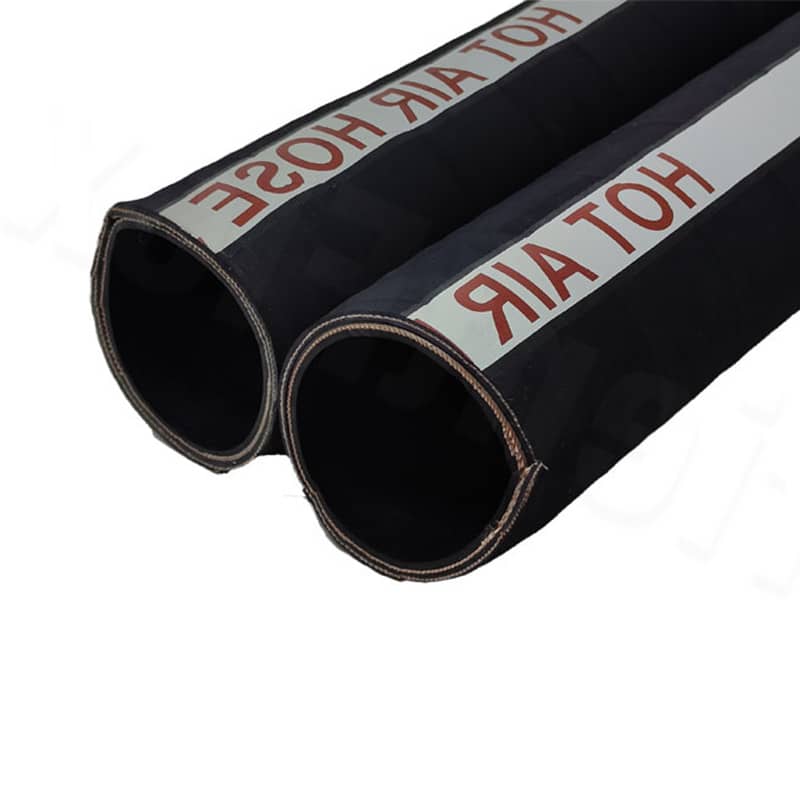
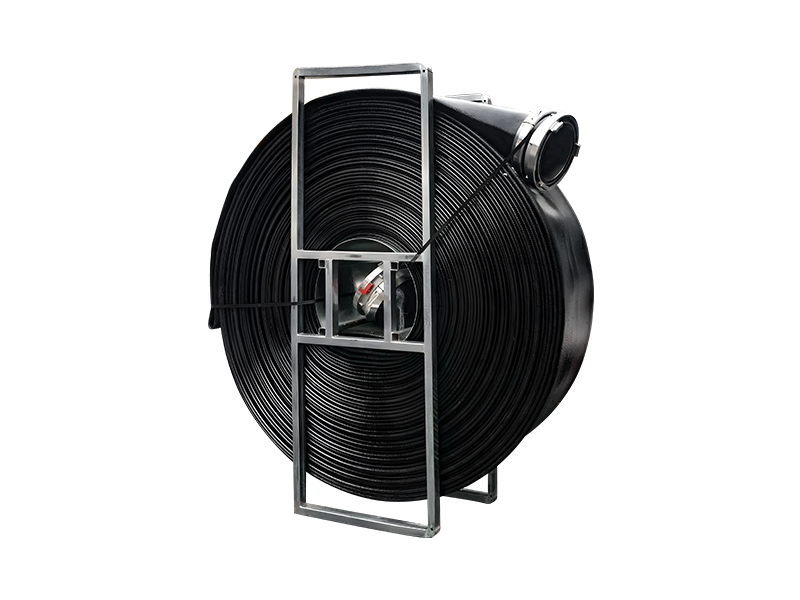
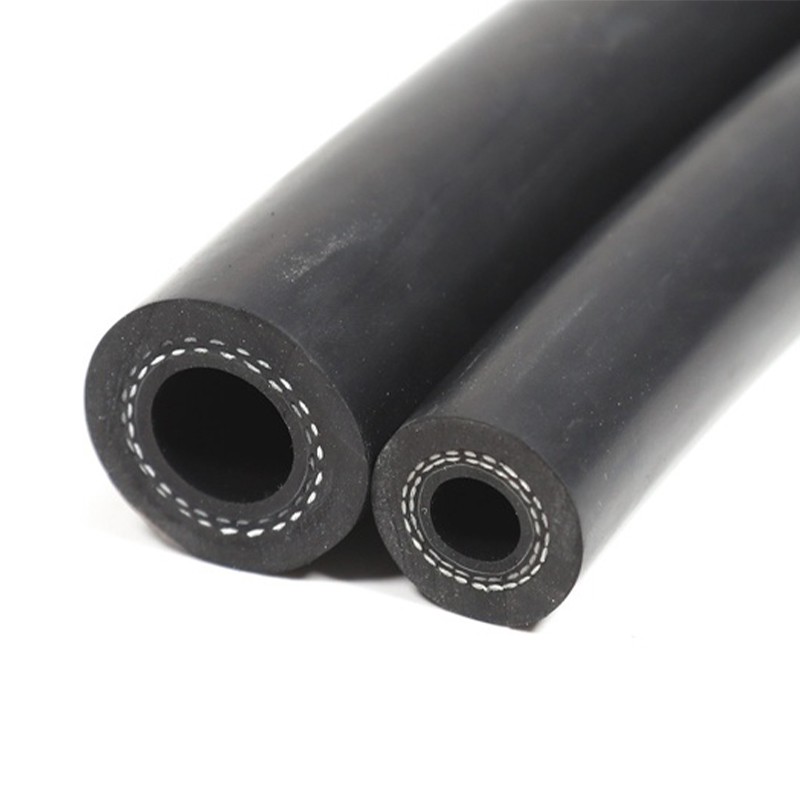
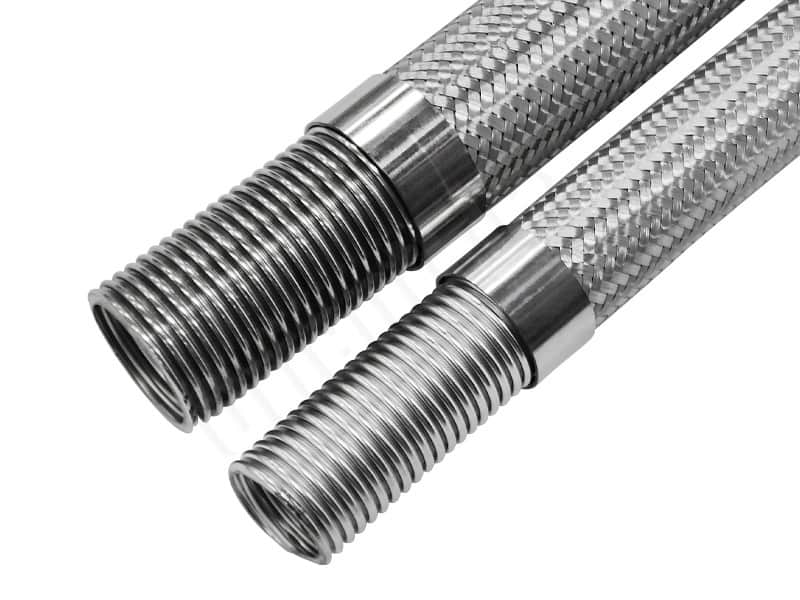
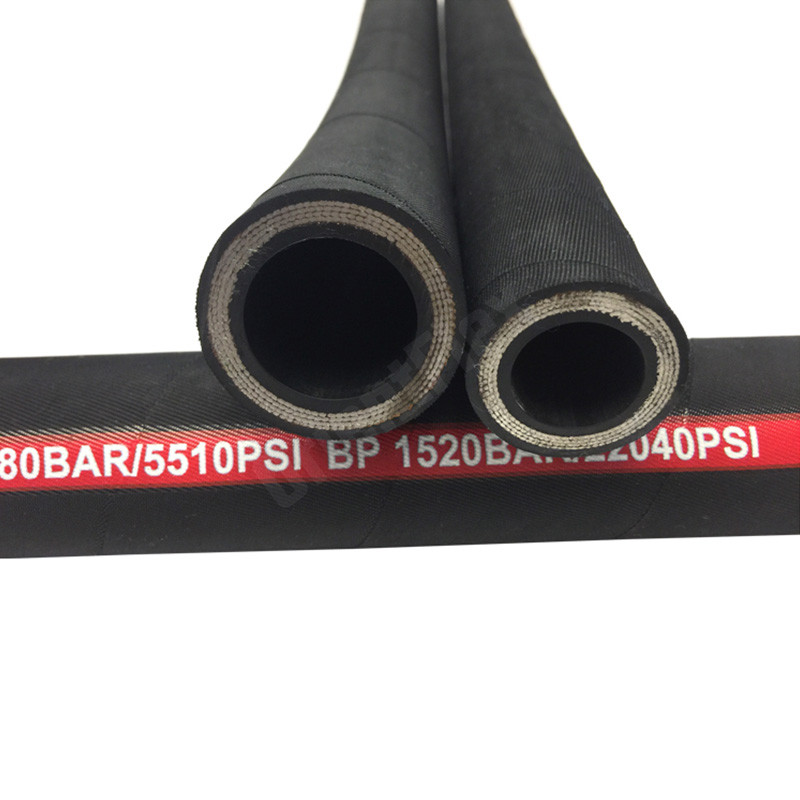
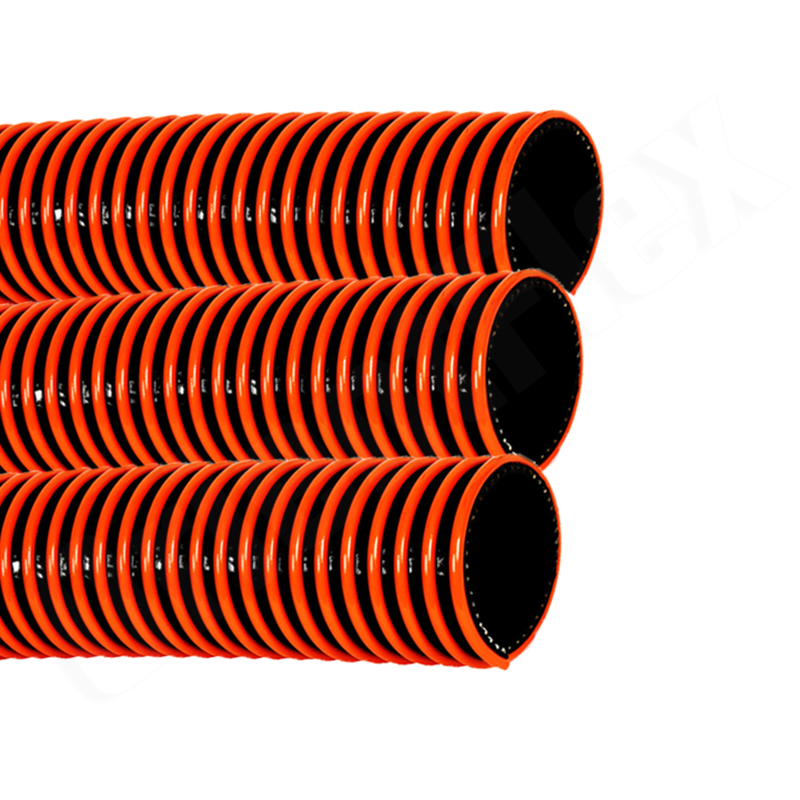
Explore our primary range of heavy-duty tubing and hoses designed to withstand high friction, mechanical wear, and harsh working environments.
The Critical Need for Hydraulic Line Protection against Abrasion
In modern industrial environments, hydraulic systems serve as the lifeblood of heavy machinery. From construction equipment and agricultural implements to manufacturing assembly lines and mining rigs, hydraulic lines transport fluids under immense pressure. However, these systems operate under dynamic, high-stress conditions where hoses are constantly subjected to movement, vibration, and contact with surrounding components.
Without adequate protection, the outer covers of hydraulic hoses quickly succumb to mechanical abrasion. Friction caused by rubbing against metal frames, concrete, debris, or other hoses can lead to micro-tears, structural weakening, and eventually catastrophic hose failure. Such failures not only result in expensive fluid leaks and environmental hazards but also trigger unplanned operational downtime, costing companies thousands of dollars per hour.
To mitigate these risks, the deployment of Flexible PVC Tubing as a protective sleeve has emerged as a standard industry best practice. PVC (Polyvinyl Chloride) offers a unique balance of durability, flexibility, and chemical resistance, making it an ideal armor for vulnerable rubber hoses.
Industrial & Commercial Landscape & Evolution
The global market for industrial hose protection has experienced significant transformation over the past decade. Historically, operators relied on basic plastic wraps or metal spirals to shield hydraulic hoses. While somewhat effective, these older solutions lacked flexibility, added excessive weight, or were prone to corrosion.
Rise of Automation
As automated manufacturing and robotic assembly lines expand, hydraulic systems operate at higher cycles and speeds. This rapid, repetitive movement accelerates wear, driving the demand for high-flexibility PVC protective sleeves.
Strict Safety Regulations
Regulatory bodies worldwide are enforcing stricter safety guidelines to prevent high-pressure fluid injection injuries. Protective tubing acts as a primary containment barrier in the event of a pinhole leak.
Cost Optimization Focus
Preventative maintenance strategies have replaced reactive repairs. Investing in cost-effective PVC shielding extends the lifespan of expensive hydraulic hoses by up to 300%, drastically reducing overall lifecycle costs.
Today, manufacturers are focusing on advanced polymer formulations. Modern flexible PVC tubing is no longer just basic plastic; it is engineered with specific plasticizers and stabilizers to enhance UV resistance, flame retardancy, and low-temperature flexibility. This ensures that the tubing remains pliable and functional even in sub-zero outdoor climates or high-heat engine compartments.
Deep-Dive Application Scenarios of PVC Protective Tubing
Flexible PVC protective tubing is versatile, finding utility across diverse sectors where hydraulic lines are exposed to extreme wear. Let's analyze how different industries apply this protective technology:
1. Heavy Earthmoving & Construction Equipment
Excavators, bulldozers, and skid steers operate in environments saturated with abrasive dust, rock fragments, and concrete debris. The hydraulic lines running along the booms and buckets are constantly flexing and scraping against hard surfaces. Heavy-walled PVC tubing serves as a sacrificial wear layer. Instead of the hydraulic hose's rubber cover grinding against abrasive rocks, the tough PVC sleeve absorbs the impact and friction, preserving the hose's structural integrity.
2. Agricultural Machinery & Forestry Harvesters
Tractors, combine harvesters, and wood processors operate under variable outdoor conditions. Hoses are subjected to dragging through crop stubble, branches, and mud. Additionally, exposure to sunlight can degrade rubber hoses over time. Flexible PVC sleeves provide dual protection: they shield the hoses from mechanical abrasion caused by vegetation and act as a barrier against ultraviolet (UV) radiation, preventing premature aging and cracking.
3. Industrial Manufacturing & Robotic Arms
Within automated factories, robotic arms perform repetitive tasks involving rapid multi-axis rotations. The hydraulic and pneumatic lines feeding these arms experience continuous bending and twisting. A lightweight, highly flexible PVC tubing ensures that the hoses can bend freely without kinking, while preventing friction wear when multiple hoses run parallel and rub against each other within energy chains.
4. Mining & Drilling Operations
Underground and open-cast mining operations present some of the harshest conditions on Earth. Hydraulic lines on drilling rigs are exposed to highly abrasive slurry, sharp metallic particles, and constant vibration. Flame-retardant PVC sleeves are crucial in these settings, providing not only abrasion defense but also vital fire-suppression characteristics to meet stringent mine safety standards.
About Hebei Orient ADMA Tech Group Co., Ltd.
Hebei Orient Rubber & Plastic Co., Ltd. (now operating under the group entity Hebei Orient ADMA Tech Group Co., Ltd.) was established in 2010. We are a premier manufacturer integrating the production and export of high-quality hoses, tubing, and fittings. Our extensive catalog features 5 main series and more than 150 distinct product types, including industrial hoses, thermoplastic hoses, hydraulic hoses, silicone hoses, and specialty automotive hoses.
Following 13 years of high-speed development and technological innovation, we officially transitioned into a group company in 2023. Our commitment to quality and customer satisfaction has fueled our expansion, allowing us to serve heavy industries worldwide with reliable hose protection systems.
Our Development History
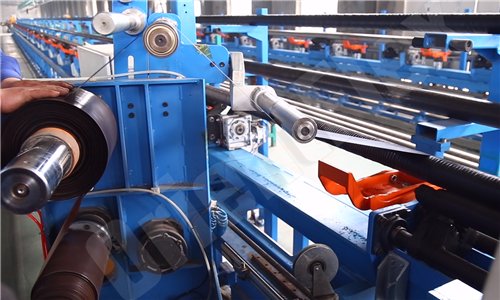
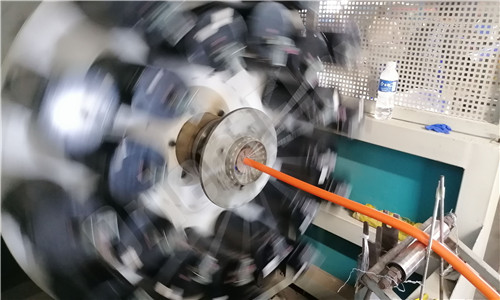
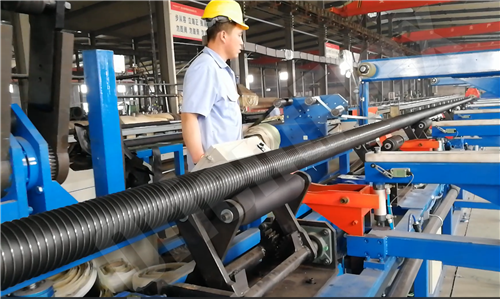
At the beginning of our establishment in 2010, we started with just 10 dedicated team members. Over 14 years of continuous development, our workforce has grown to over 180 skilled professionals. We have constantly expanded the scale of our production facilities, upgraded to state-of-the-art automated manufacturing equipment, and refined our polymer technologies.
As a result of these advancements, our production efficiency has greatly improved while maintaining strict quality control standards. Today, our robust supply capacity reaches 100 containers per month, ensuring prompt global delivery to our commercial partners.


Why Partner With Us?
14 Years of Export Experience
Over a decade of navigating international trade, ensuring seamless logistics and compliance.
Global Reputation
Trusted by industrial distributors and OEM manufacturers across Europe, the Americas, and Asia.
One-Stop Industrial Solutions
We supply everything from primary hydraulic hoses to protective PVC sleeves and fittings.
Flexible Payment Terms
Convenient financial terms tailored to facilitate long-term business partnerships.
Certified Quality Standards
Certified under ISO 9001, ISO 14001, CE, FDA, REACH, and other leading international standards.
High Capacity & Stability
High risk-mitigation capacity backed by robust material sourcing and large-scale manufacturing plants.
Technical Features & Selection Criteria
Selecting the right protective PVC tubing requires an understanding of the specific operating environment. Key parameters to consider include:
- Wall Thickness: Thicker walls offer greater impact resistance and wear protection but reduce flexibility. For dynamic hoses, a balanced wall thickness is critical.
- Inner Diameter (ID): The sleeve's ID should be slightly larger than the outer diameter of the hydraulic hose to allow easy installation and accommodate hose expansion under pressure.
- Temperature Range: Standard PVC operates efficiently between -20°C to +65°C. For extreme environments, specialized low-temperature or high-temperature resistant formulations must be specified.
- Chemical Compatibility: Ensure the PVC compound is resistant to hydraulic fluids, lubricating oils, and external environmental contaminants like salt water or acidic rain.
Installation Tips for Maximum Efficiency
For optimal abrasion protection, slide the PVC tubing over the hydraulic hose before crimping the fittings. If the hose is already installed, spiral-cut PVC wraps can be wrapped around the hose without disconnecting the lines. Ensure that the ends of the protective tubing are secured with heavy-duty clamps or heat-shrink sleeves to prevent dirt and abrasive particles from migrating between the sleeve and the hose.
Frequently Asked Questions (FAQ)
Q1: Can flexible PVC tubing be used on high-pressure hydraulic lines?
Yes, but not as the pressure-containing vessel. The PVC tubing acts as an external protective sleeve. The high pressure is handled by the internal steel-wire reinforced hydraulic hose (such as the SAE 100 R12), while the PVC outer sleeve protects it from external friction and wear.
Q2: How does PVC compare to nylon sleeves for abrasion resistance?
PVC tubing offers excellent resistance to wet environments, mud, and chemical splash, and it is generally more cost-effective. Nylon textile sleeves are highly flexible and offer great tight-loop bend radius protection, but they can absorb moisture and dirt, which can act as internal abrasives over time.
Q3: Is the PVC tubing UV resistant?
Yes, our industrial-grade PVC formulations include specialized UV stabilizers to prevent degradation, hardening, and cracking caused by prolonged exposure to sunlight in outdoor applications.