Industrial & Commercial Landscape of Pool Water Circulation
In modern commercial aquatics, municipal leisure centers, and residential pool designs, the efficiency of water filtration and circulation systems determines the safety and overall quality of the aquatic environment. At the core of these systems lies a complex network of pumps, filters, chemical feeders, and heat exchangers connected by flexible conduits. As flow rates increase and water treatment chemicals become more sophisticated, these conduits are subjected to unprecedented mechanical and environmental stresses. To mitigate the risk of system failures, the implementation of a high-grade hose sleeve has transitioned from an optional accessory to an absolute engineering necessity.
Globally, the market for swimming pool infrastructure is shifting toward automated, energy-efficient, and low-maintenance solutions. Variable-speed pumps and high-capacity sand or cartridge filters require plumbing configurations that can handle rapid pressure fluctuations and continuous vibrations. Without a protective sleeve, standard flexible hoses suffer from external abrasion, UV degradation, chemical degradation, and physical impact. Industrial statistics indicate that over 40% of premature hose failures in commercial pool pump rooms are caused by friction against concrete floors and metal support frames. By integrating advanced sleeve protection, commercial operators can extend hose service life by up to 300%, ensuring uninterrupted filtration operations.
Deep-Dive Application Scenarios for Hose Sleeves
The application of protective sleeves in pool water filtration and circulation spans several demanding scenarios, each requiring specific material properties and designs to combat distinct environmental challenges:
In massive commercial water parks, filtration systems operate 24/7 under high flow rates. Large-diameter hoses connecting the main pumps to sand filters are subject to continuous high-frequency vibrations. Heavy-duty braided sleeves absorb these vibrations, preventing structural friction wear against concrete foundations and equipment mounts.
Pool sanitization relies on concentrated chemicals like liquid chlorine, bromine, and muriatic acid. Dosing lines are susceptible to environmental cracking and chemical weeping. A chemical-resistant thermoplastic sleeve serves as secondary containment, preventing hazardous chemical leaks from spraying onto workers or damaging surrounding electronics.
Heated pools and thermal spas use heat exchangers that raise the circulating water temperature. Thermal hoses carrying hot water expand and contract frequently, accelerating material fatigue. High-temperature resistant insulating sleeves help retain thermal energy, reduce heat loss, and protect maintenance crews from accidental thermal contact burns.
Saltwater pool systems generate chlorine through electrolysis, creating a highly corrosive environment. Splashes of saltwater on external hose reinforcements lead to rapid oxidation and degradation. Non-corrosive polymer sleeves prevent salt crust buildup and block moisture, preserving the structural integrity of the underlying hose lines.
Material Science & Engineering Innovations
The durability of a hose sleeve depends heavily on its material composition. Traditionally, basic nylon or polyester weaves were used, which offered basic abrasion protection but failed under intense UV exposure and chemical attacks. Modern engineering has introduced advanced materials like Thermoplastic Polyurethane (TPU), high-density polyethylene (HDPE), and specialized PVC compounds.
TPU-based sleeves are highly valued for their exceptional abrasion resistance, elasticity, and resistance to oils and grease. In contrast, specialized PVC sleeves are formulated with UV inhibitors and flame-retardant additives, making them suitable for outdoor pool installations where sunlight exposure is constant. Additionally, the physical design of the sleeve has evolved. Self-wrapping sleeves and zipper-closure sleeves allow for easy retrofitting on existing pool plumbing networks without the need to disconnect hoses and shut down the entire filtration system, reducing labor costs and operational downtime.
Looking to the future, the pool filtration industry is embracing smart technologies. Research is underway to develop "smart sleeves" embedded with conductive carbon fibers or moisture-sensitive indicators. These advanced sleeves can detect micro-leaks or structural thinning and transmit real-time alerts to the facility's central management system. Furthermore, the push for environmental sustainability is driving manufacturers to produce sleeves from bio-based polymers and recycled post-industrial plastics, aligning with green building certifications for eco-friendly resorts and municipal facilities.
Hebei Orient ADMA Tech Group Co., Ltd.
In the global fluid transfer and protection industry, Hebei Orient ADMA Tech Group Co., Ltd. (originally established as Hebei Orient Rubber & Plastic Co., Ltd.) stands as a premier manufacturer and exporter. Set up in 2010, the company has integrated advanced manufacturing technology with rigorous quality control to deliver world-class hoses and fittings. Our comprehensive portfolio features 5 main series and more than 150 distinct types of products, including industrial hoses, thermoplastic hoses, hydraulic hoses, silicone hoses, and auto hoses. After 13 years of high-speed development and market expansion, we proudly transitioned into a unified group company in 2023.
Our Development History
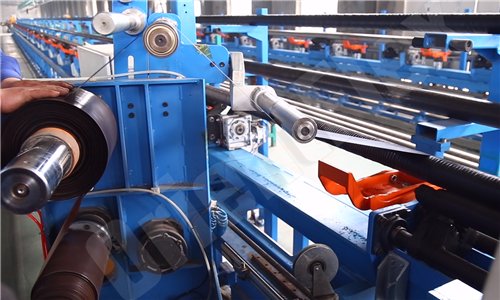
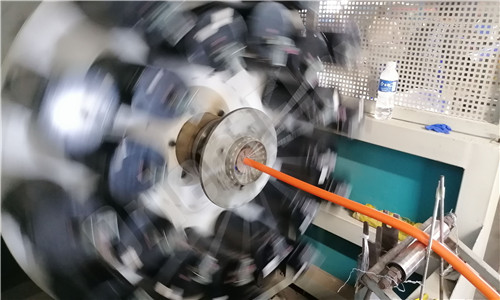
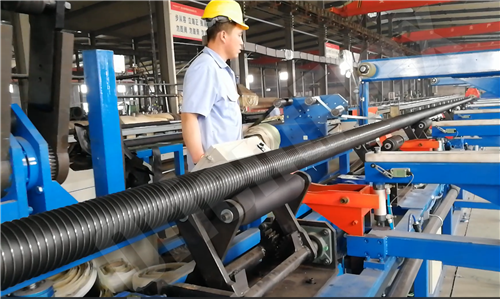
At the beginning of our establishment in 2010, we started with a dedicated team of just 10 members. Through 14 years of continuous development, our workforce has expanded to over 180 highly skilled professionals. Concurrently, we have expanded the scale of our production facilities, upgraded our manufacturing technology, and integrated state-of-the-art automated equipment. These advancements have significantly increased our production efficiency and elevated our product quality. Today, our supply capacity reaches 100 containers per month, allowing us to reliably serve major commercial projects globally.


Our Strengths & Global Competence
Orient ADMA’s reputation as an industry leader is built on a foundation of quality assurance, technical expertise, and customer-focused services. Our key operational strengths include:
With over a decade of experience in foreign trading and export, we navigate international logistics, compliance standards, and custom requirements efficiently.
Our manufacturing processes and products are certified under ISO 9001, ISO 14001, CE, FDA, REACH, and other leading global standards.
We offer comprehensive support from initial design and material selection to manufacturing, quality testing, and dedicated after-sales service.
We provide convenient, flexible payment terms and maintain a strong anti-risk capability, ensuring stable supply chains and business continuity.