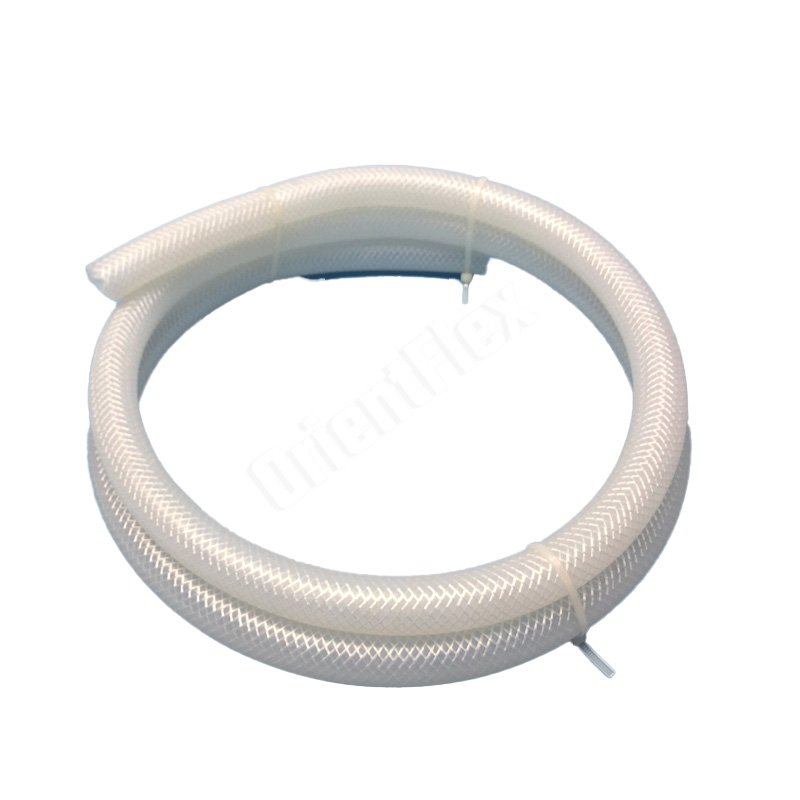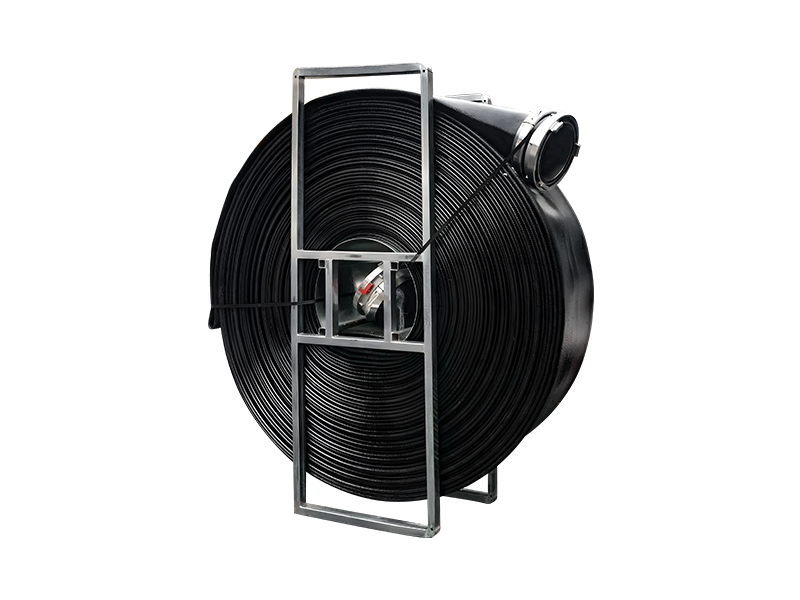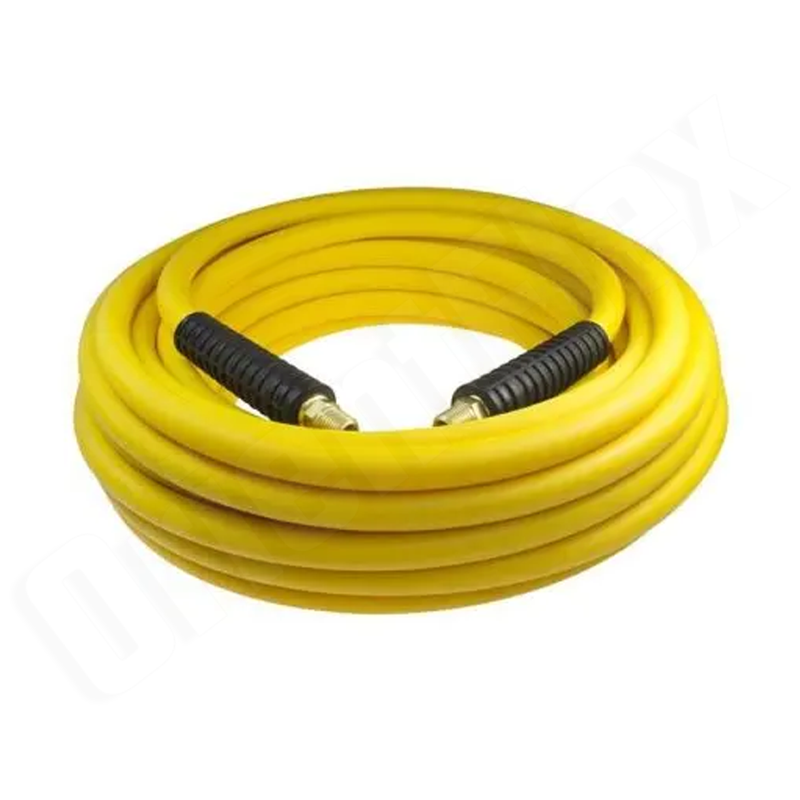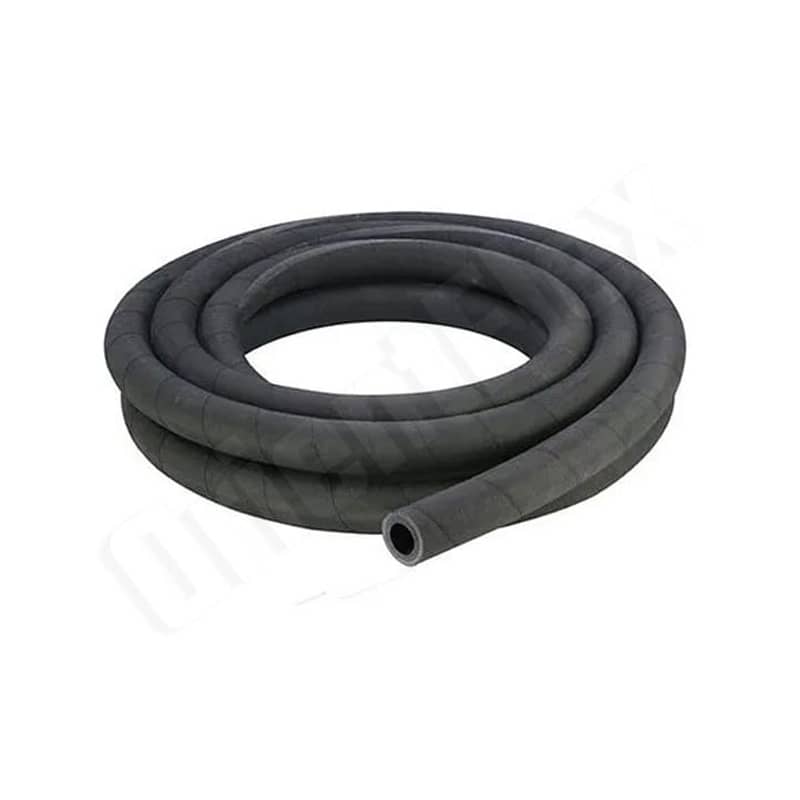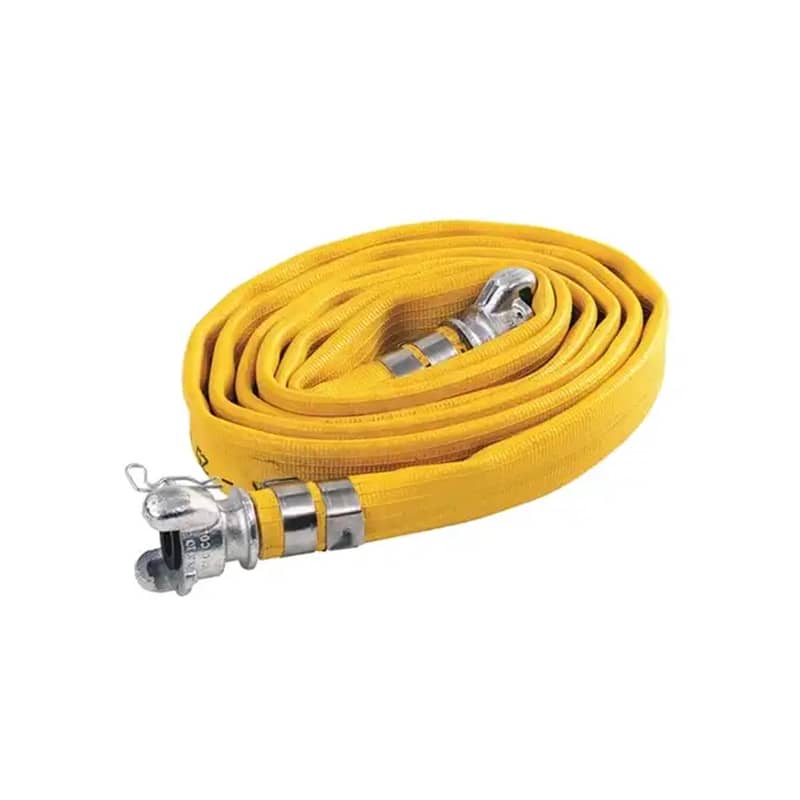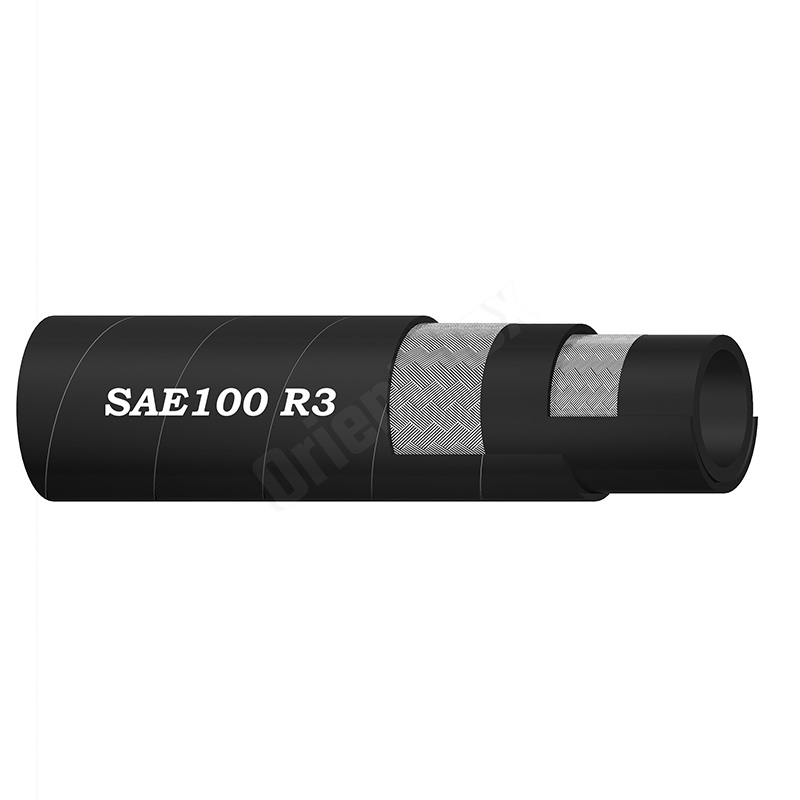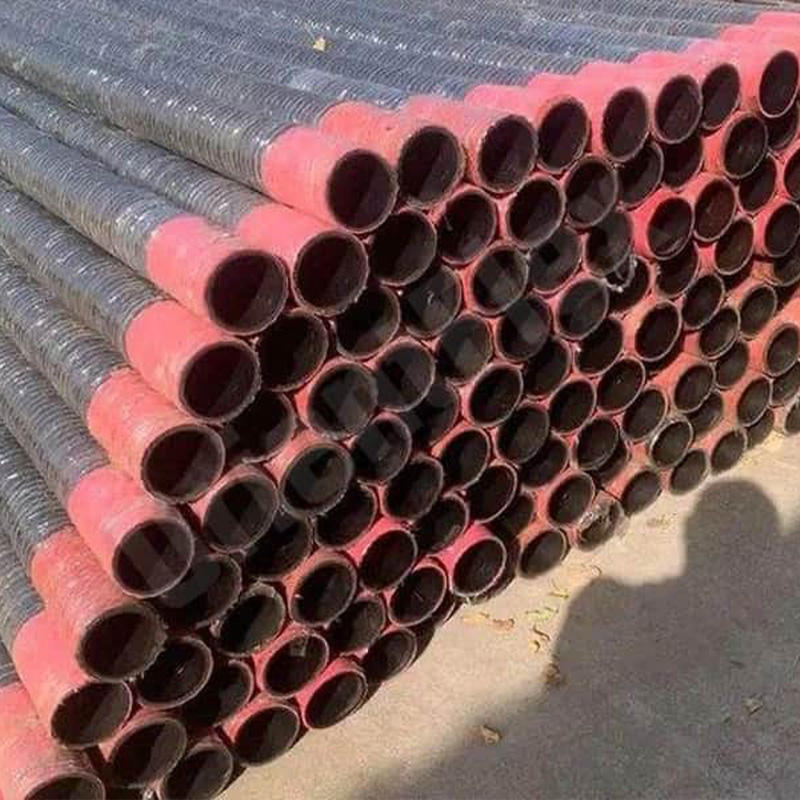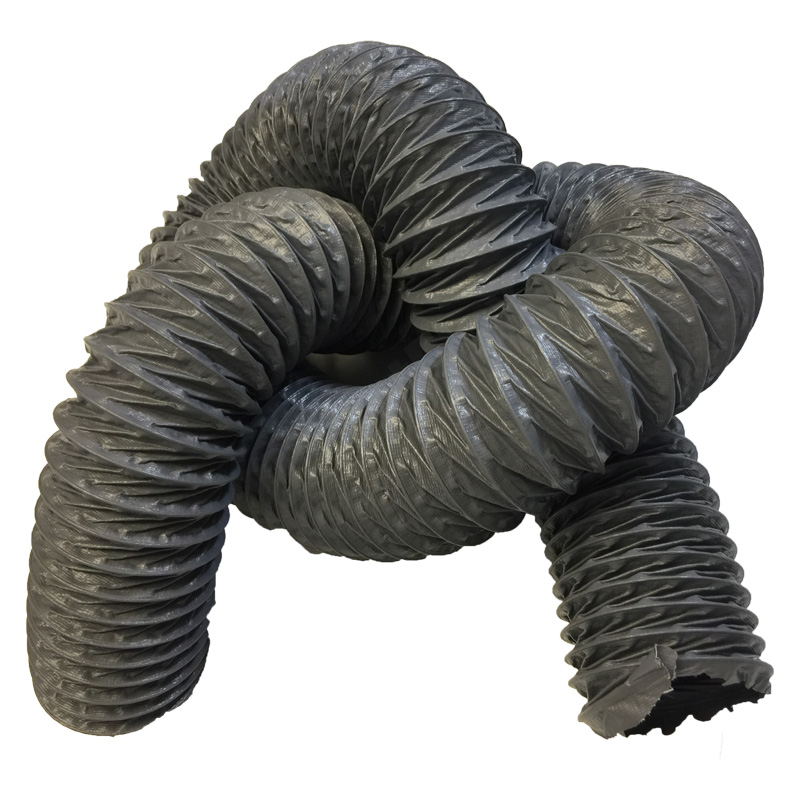
Featured Fluid Transfer & Dispensing Hoses
High-performance industrial hoses tailored for sterile laboratory fluid transfer, precise chemical dispensing, and automated equipment integration.
The Role of Specialized Industrial Hoses in Modern Laboratory Dispensing
In the contemporary scientific landscape, the integrity of fluid pathways is paramount. Whether handling volatile chemical reagents, highly sensitive biological cultures, or precise micro-doses of pharmaceutical components, the selection of the correct industrial hose for laboratory liquid transfer and dispensing equipment is a critical engineering decision. These specialized hoses act as the veins of modern diagnostic, chemical, and analytical systems, dictating the overall safety, accuracy, and efficiency of laboratory operations.
Unlike standard industrial applications, laboratory environments impose unique constraints. Hoses must remain chemically inert, resist extractables and leachables, maintain high structural integrity under vacuum or pressure, and offer exceptional flexibility for integration into compact robotic configurations. From automated liquid handling workstations to high-throughput screening arrays, high-grade flexible tubing and braided hoses guarantee that the medium transferred remains uncontaminated from source to destination.
Key Technical Priority: Extractables & Leachables Control
In pharmaceutical and biotechnological laboratories, trace impurities leaching from the hose material can compromise entire experimental batches or analytical results. Utilizing USP Class VI and FDA-compliant materials, such as platinum-cured silicone or high-purity thermoplastic elastomers (TPE), minimizes the risk of compound interaction, securing reliable data and compliant production standards.
Commercial & Industrial Status of Laboratory Fluid Handling Systems
The global market for laboratory automation and high-precision dispensing equipment has experienced exponential growth, driven by rapid advancements in drug discovery, clinical diagnostics, and molecular biology. According to industrial research, the integration of automated liquid handling systems has become standard in both academic research centers and commercial laboratories. This shift towards automation has dramatically heightened the demand for advanced hose technologies that can keep pace with high-frequency cycles, tight bending radii, and continuous peristaltic pumping.
Today, manufacturers are no longer just producing generic plastic tubing. The market demands highly engineered co-extruded hoses, reinforced silicone structures, and hybrid polymer compounds. Companies are investing heavily in cleanroom manufacturing facilities (ISO Class 7 or Class 8) to ensure that the hoses are free from particulate contamination before they are ever installed in a laboratory machine. The commercial pressure is clear: minimize downtime caused by hose fatigue, prevent leakage of hazardous substances, and ensure compliance with strict international regulatory bodies such as the FDA, REACH, and RoHS.
Deep Application Scenarios of Industrial Hoses in Laboratory Settings
To understand the necessity of specialized hose designs, we must analyze the specific application environments where these hoses are deployed:
1. Automated Liquid Handling and Robotic Pipetting
Modern high-throughput screening (HTS) systems rely on multi-channel robotic pipettes that move dynamically in three dimensions. The hoses supplying these dispensing heads must possess extreme flexibility and low bending resistance to prevent putting strain on the robotic motors. Furthermore, they must maintain a constant internal diameter (ID) during movement to prevent pressure fluctuations that could lead to inaccurate dispensing volumes.
2. Peristaltic Pump Dispensing
Peristaltic pumps are widely used in laboratories because the fluid only contacts the inside of the tube, preventing cross-contamination. However, this process subjects the hose to constant mechanical compression and recovery. Hoses designed for this application require high fatigue resistance, excellent elastic recovery, and precise wall thickness tolerances to ensure consistent flow rates over millions of pump cycles.
3. High-Pressure Liquid Chromatography (HPLC) & Chemical Synthesis
Transferring organic solvents, acids, and bases in analytical chemistry requires hoses with extreme chemical resistance. Fluoropolymers like PTFE, FEP, and PFA are often reinforced with stainless steel or high-tensile textile braiding to handle the elevated pressures associated with HPLC waste lines, reaction vessels, and automated purification systems.
4. Bioreactor Feed and Harvesting Lines
In biotechnology labs, bioreactors require a constant feed of nutrients, oxygen, and pH adjusters, as well as the safe extraction of harvested cells. The hoses used here must withstand repeated autoclaving or Clean-in-Place (CIP) sterilization cycles without losing their physical properties or releasing toxic compounds into the cell culture.
Hebei Orient ADMA Tech Group Co., Ltd.
Who We Are
Hebei Orient Rubber & Plastic Co., Ltd. was set up in 2010. We are a manufacturer integrating produce and export hoses and fittings. For our product, we have 5 series and more than 150 types. The 5 series include industrial hose, thermoplastic hose, hydraulic hose, silicone hose and auto hose. After 13 years' high speed development, we become a group company in 2023.
Development History
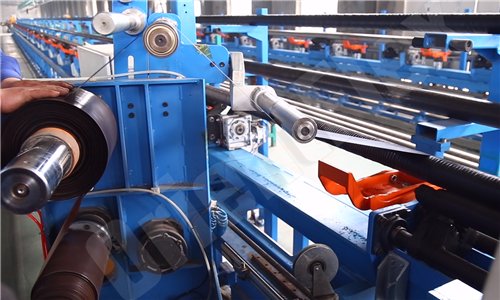
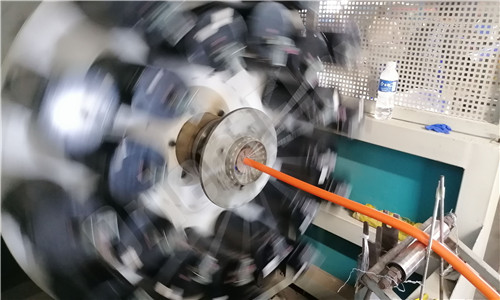
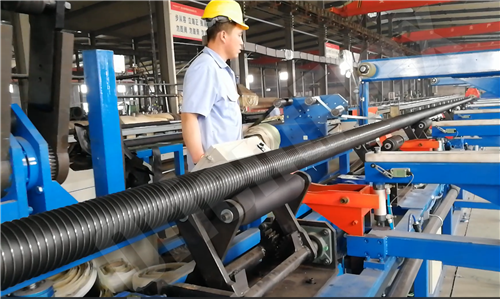
At the beginning of our establishment in 2010, we have just 10 members. But after 14 year’s develop, we have over 180 people now. Meanwhile, we constantly expand the scale our factory. Besides, we constantly improve our technology and update advanced equipment. As a result, our production efficiency has been greatly improved. While our products become better and better. And now, our supply capacity reaches 100 containers per month.


Our Strengths
Why Laboratories & Industrial Partners Trust Us Globally
14 Years of Global Export Expertise
Proven track record of navigating international standards, customs, and global logistics with ease.
World-Class Product Quality
Premium raw materials combined with high-precision manufacturing processes ensure maximum durability.
Global Reputational Excellence
Trusted by laboratory equipment manufacturers and industrial distributors in over 80 countries.
Professional Technical & Sales Support
Dedicated engineers and customer service teams to help you select the exact hose formulation for your needs.
One-Stop Custom Solutions
From initial design and material selection to customized branding, packaging, and assembly fittings.
Comprehensive Global Certifications
Fully certified under ISO 9001, ISO 14001, CE, FDA, REACH, and RoHS compliance standards.
Flexible and Convenient Payments
Offering a range of secure and flexible payment terms to suit diverse international trade requirements.
High Capacity of Anti-Risk
Strong financial backing and robust supply chain networks ensure stability even during market disruptions.
Future Development Trends in Laboratory Fluidic Tubing
As laboratories move towards higher throughput and miniature scale operations, the technology surrounding liquid transfer hoses is adapting rapidly. Here are the key trends shaping the future of this industry:
Miniaturization and Microfluidics Integration
There is a growing demand for ultra-small-bore hoses that can interface seamlessly with microfluidic chips. These hoses must maintain dimensional stability at inner diameters of less than 1mm, requiring advanced micro-extrusion techniques and specialized polymer blends that resist clogging and surface adhesion.
Smart Hoses with Embedded Sensing
The integration of IoT in laboratory automation has paved the way for "smart" fluidic pathways. Future laboratory hoses may feature embedded sensors capable of measuring flow rate, detecting micro-bubbles, monitoring temperature, and alerting operators to degradation or blockages in real-time, thereby preventing costly experimental failures.
Sustainability and Green Chemistry
With global initiatives aiming to reduce plastic waste, there is a strong commercial push towards bio-based polymers and recyclable thermoplastic elastomers that do not compromise on purity or chemical resistance. Manufacturers are actively researching plant-derived raw materials to replace petroleum-based plastics in non-critical laboratory fluid paths.
Optimizing Hose Selection for Longevity and Safety
Choosing the correct industrial hose for laboratory dispensing involves balancing several mechanical and chemical variables. To assist engineering and laboratory procurement teams, we have outlined the core selection criteria below:
- Chemical Compatibility: Utilize chemical resistance charts to match the hose polymer (e.g., silicone, polyurethane, fluoropolymer) with the specific solvents, acids, or reagents being transferred.
- Pressure and Vacuum Ratings: Ensure the hose can withstand maximum system pressure, especially in automated dispensing valves where rapid pressure spikes occur during shut-off.
- Temperature Range: Consider both the operating fluid temperature and the sterilization temperature (e.g., autoclaving at 121°C).
- Flexibility and Bend Radius: For dynamic robotic arms, choose hoses with excellent flex-fatigue life and a small minimum bend radius to prevent kinking.
Our Complete Industrial Hose Portfolio
Explore our full range of high-performance hoses designed for diverse industrial, agricultural, and specialized laboratory applications.