Featured Food & Beverage Fluid Processing Products
Explore our high-performance industrial hoses optimized for specialized fluid delivery systems, pneumatic conveying, and process utility lines.
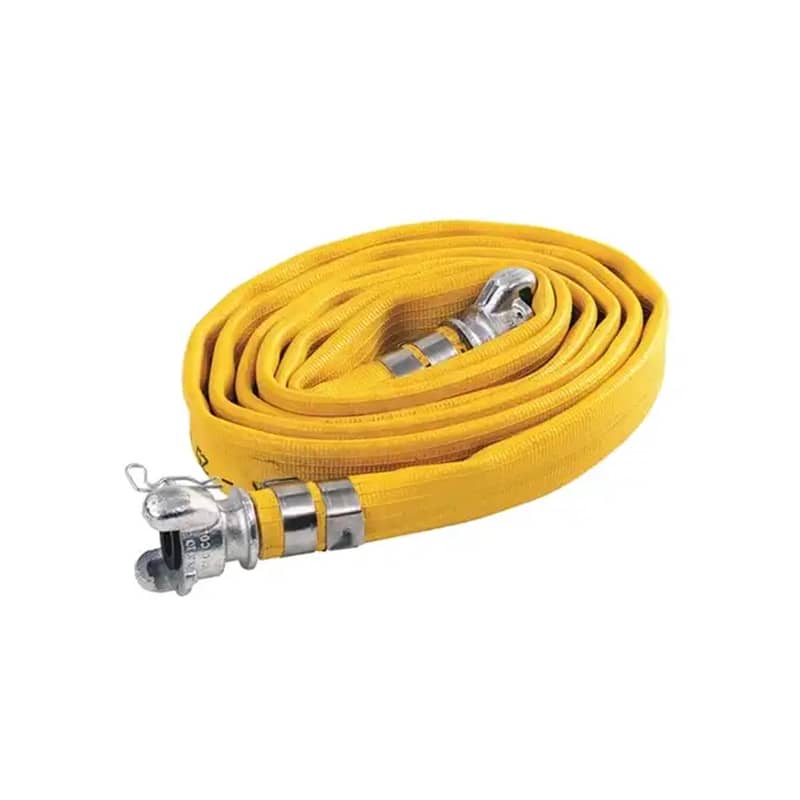
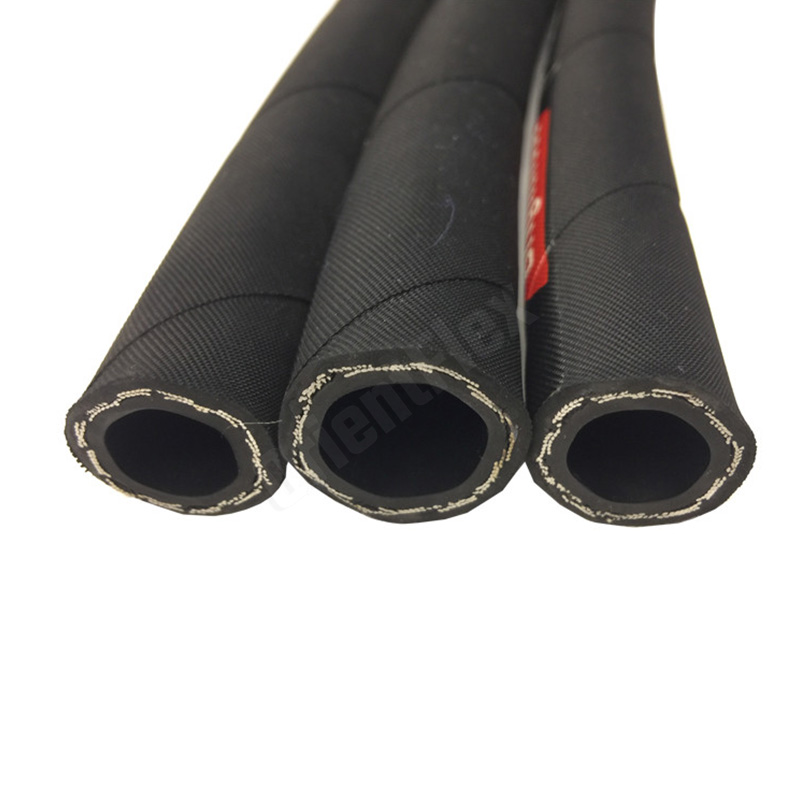
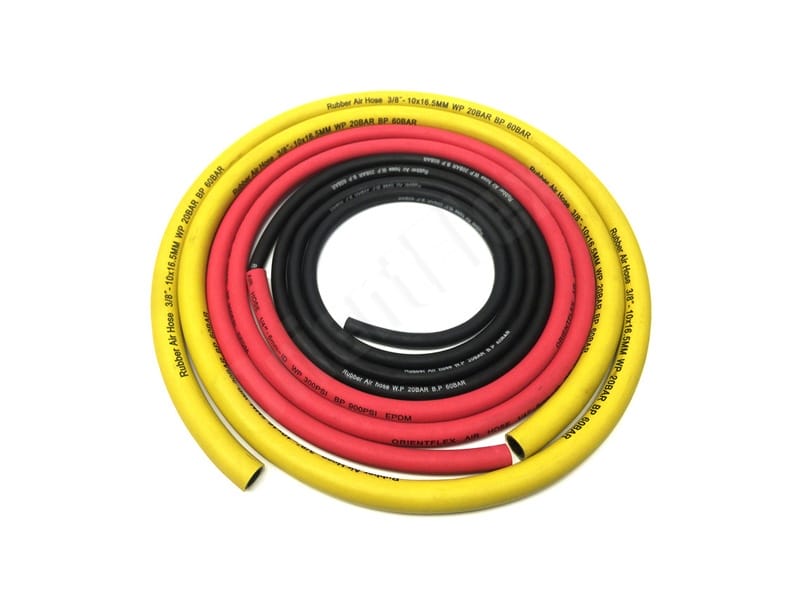
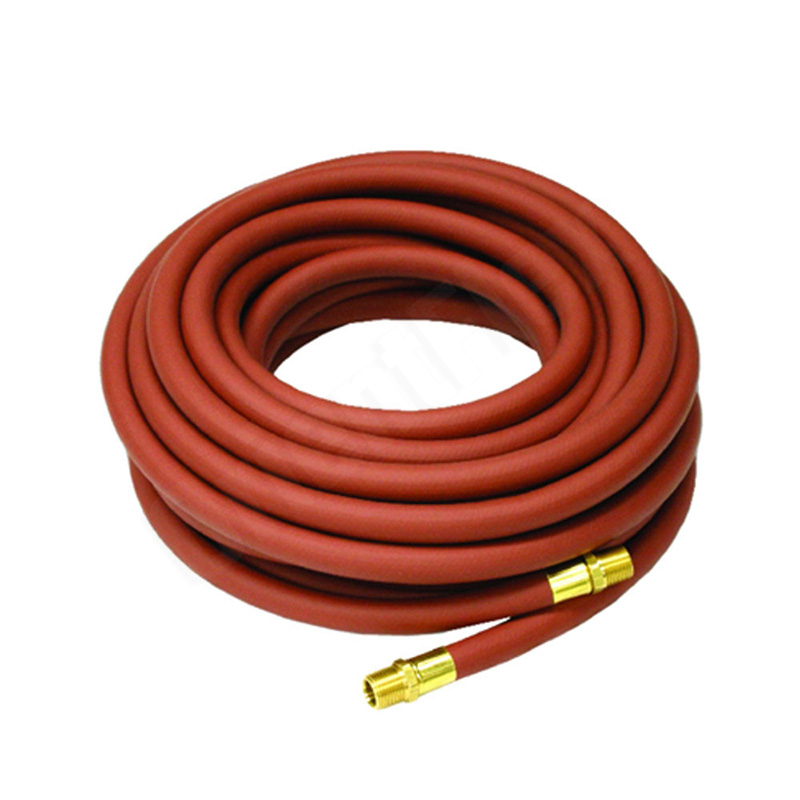
The Critical Role of Plastic Hoses in Food & Beverage Fluid Delivery
In the modern fast-moving consumer goods (FMCG) and agricultural processing sectors, the transport of liquid ingredients is a highly sensitive phase. From dairy production and carbonated beverages to alcoholic spirits and high-viscosity food concentrates, every stage of fluid delivery requires high-precision piping. Plastic hoses for food and beverage processing are the vital veins of these production lines, ensuring that ingredients flow smoothly from raw storage to final packaging.
Unlike rigid piping systems, flexible plastic and thermoplastic hoses provide the essential movement needed to accommodate dynamic process equipment, vibration, and regular system reconfigurations. However, their role goes far beyond simple physical routing. These specialized hoses must serve as a biological barrier, preventing contamination, preserving organoleptic properties (taste, smell, and color), and resisting harsh clean-in-place (CIP) and steam-in-place (SIP) sterilization cycles.
Key Regulatory Standards
To be used in commercial food and beverage plants, plastic hoses must meet strict international standards to ensure zero chemical migration into the food stream:
- FDA Title 21 CFR 177.2600: Regulates rubber and plastic materials intended for repeated contact with food.
- EC Regulation No 1935/2004 & 10/2011: European standards governing plastic materials in contact with agricultural products.
- 3-A Sanitary Standards: Ensures design and fabrication meet hygienic requirements.
- USP Class VI: Certification for biocompatibility and low chemical reactivity.
Commercial and Industrial Landscape of Sanitary Tubing
The global food and beverage processing equipment market is undergoing rapid expansion, driven by increasing automation, stricter food safety regulations, and shifting consumer preferences toward organic and minimally processed products. This industrial growth has directly accelerated the demand for high-performance plastic hoses. Manufacturers are moving away from traditional metal piping in favor of flexible, lightweight, and transparent thermoplastic elastomers (TPE), polyurethane (PU), and silicone formulations.
Industrially, the focus has shifted from simple durability to "smart" performance. Modern food processing plants operate under continuous production models where downtime is measured in thousands of dollars per minute. Consequently, components like transfer hoses must offer long service lives, resistance to kinking, and easy visual monitoring. The market is also seeing a major push toward phthalate-free and plasticizer-free materials to eliminate chemical leaching risks, ensuring absolute purity from farm to table.
Material Science Innovations
The choice of polymer dictates the hose's performance. Advanced formulations like ultra-high-molecular-weight polyethylene (UHMWPE), hygienic PVC, and food-grade silicone are engineered to resist chemical degradation from acidic juices, fatty oils, and high-alcohol content spirits.
Hygiene & CIP/SIP Durability
Sanitary hoses must withstand repeated cleaning cycles using caustic soda, nitric acid, and superheated steam (up to 135°C). Smooth inner cores prevent bacterial accumulation, ensuring that clean-in-place procedures remain fast and highly effective.
Dynamic Pressure & Vacuum
Whether handling positive pressure from positive displacement pumps or vacuum suction during tanker unloading, plastic food hoses reinforced with high-tensile textile braids or stainless steel wire helixes maintain their structural integrity without collapsing.
Deep-Dive Application Scenarios in Food Processing
Different food products present unique physical and chemical challenges. Selecting the correct plastic hose requires analyzing the specific operating environment:
1. Dairy and Fat-Rich Product Transfer
Dairy products contain milk fats and acids that can quickly degrade standard plastics, causing swelling, cracking, and flavor absorption. Food-grade hoses for dairy applications must feature non-porous, fat-resistant inner tubes (such as NBR or specialized thermoplastic elastomers) that prevent fat particles from adhering to the walls. These hoses are also engineered to withstand the strong vacuum pressures encountered during milk collection from farm tankers.
2. Breweries, Wineries, and Distilleries
Alcoholic beverages are highly sensitive to oxidation and off-flavors. Hoses used in wine and beer processing must have exceptionally low gas permeability to prevent oxygen from entering the product stream. Additionally, they must be rated for high concentration alcohol transfer (often up to 96% proof for distilleries) without stripping compounds from the hose lining, ensuring the beverage's taste profile remains unchanged.
3. High-Temperature Liquid Food & Syrups
Hot chocolate, molten sugars, syrups, and vegetable oils are often transferred at elevated temperatures to reduce viscosity and improve flow rates. Silicone and specialized high-temperature rubber hoses reinforced with textile braiding are critical in these setups. They maintain flexibility and structural strength at temperatures exceeding 100°C while complying with all sanitary requirements.
4. Dry Powder Conveying (Pneumatic Systems)
Transferring dry ingredients like flour, sugar, starch, and milk powder creates significant friction, which can generate static electricity. In grain silos and baking facilities, static discharge can lead to dust explosions. Hoses used here must be made from highly abrasion-resistant polyurethane and equipped with integrated copper static wires to safely ground electrical charges.
Future Trends in Food-Grade Plastic Tubing
As industrial automation and environmental standards evolve, the food and beverage hose market is adapting with several key innovations:
- Phthalate-Free Formulations: Due to health concerns surrounding traditional plasticizers, manufacturers are using safe, alternative plasticizers or moving toward inherently flexible polymers like polyurethane and silicone.
- Smart Hose Integration: Embedding RFID chips and sensors directly into hose assemblies allows plant operators to track wear, monitor temperature, and schedule preventive maintenance before a failure occurs.
- Bio-Based Polyurethane: The development of plant-derived polyurethanes helps processing plants reduce their carbon footprint while maintaining high abrasion resistance.
- Enhanced Anti-Microbial Liners: Incorporating silver ions or advanced non-leaching antimicrobial agents into inner tubes helps inhibit bacterial growth during processing pauses.
Hebei Orient ADMA Tech Group Co., Ltd.
Established in 2010 as Hebei Orient Rubber & Plastic Co., Ltd., we have spent over a decade building a reputation for engineering excellence in the industrial hose sector. Through continuous research, technological upgrades, and a commitment to customer service, we transitioned into a group company in 2023: Hebei Orient ADMA Tech Group Co., Ltd.
We specialize in designing, manufacturing, and exporting a wide range of high-performance hoses and fittings. Our extensive catalog includes 5 main product series and more than 150 unique hose types, covering industrial hoses, thermoplastic hoses, hydraulic hoses, silicone hoses, and automotive hoses.
Why Choose Orient Flex?
We combine manufacturing capacity, strict quality control, and global logistics to deliver dependable fluid transfer solutions.
Our Development History
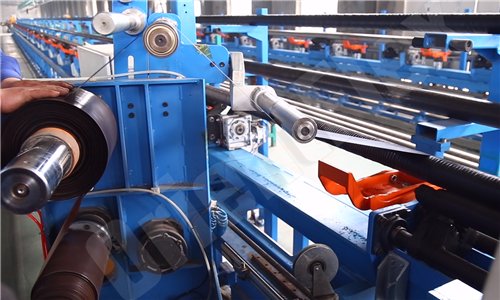
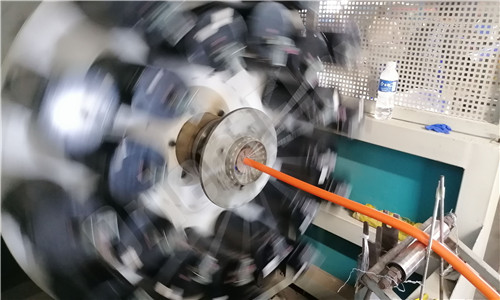
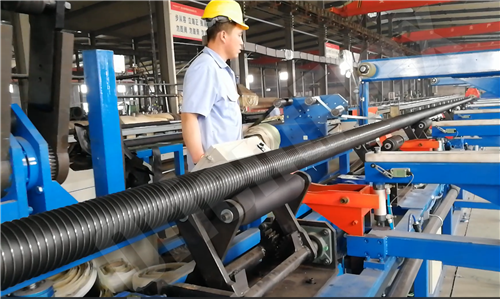
When we started in 2010, our team consisted of just 10 members. Over the past 14 years, we have expanded to a workforce of more than 180 people. Along the way, we have continuously scaled our factory footprint, updated our manufacturing machinery, and refined our production processes.
These investments in technology and automation have significantly boosted our production efficiency and product quality. Today, our manufacturing plant has a steady supply capacity of up to 100 containers per month, allowing us to serve major food processing and industrial distribution networks worldwide.


Our Complete Industrial Hose Catalog
Discover our full selection of high-performance hoses, protective sleeves, and fittings designed for challenging process environments.