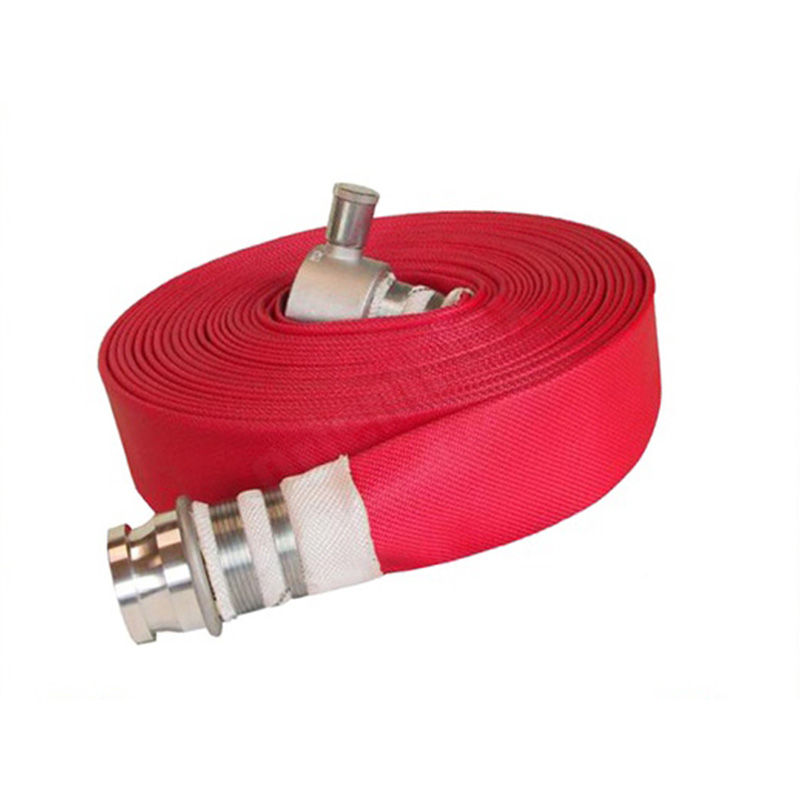
Featured Cable Protection & Conduit Solutions
Industrial & Commercial Landscape of Underground Cable Protection
The modern world runs on data and electricity. As cities expand and smart grids become the standard, the overhead wiring of the past is rapidly being relocated underground. This massive infrastructural shift has highlighted the critical need for robust, reliable, and long-lasting underground cable protection systems. Among the various materials utilized in this sector, polyvinyl tubing (primarily unplasticized and modified polyvinyl chloride) has emerged as the industry standard for wire conduits and cable ducting.
Today, the global market for underground cable conduits is experiencing unprecedented growth. Driven by the rapid rollout of 5G telecommunication networks, high-voltage direct current (HVDC) transmission lines for renewable energy integration, and municipal grid modernization, the demand for high-performance polyvinyl tubing is at an all-time high. Unlike traditional concrete or metallic piping, polyvinyl conduits offer a unique combination of lightweight properties, ease of installation, and superb environmental resistance. This makes them the go-to solution for civil engineers, utility companies, and industrial developers worldwide.
Why Polyvinyl is Dominating the Infrastructure Market
Polyvinyl chloride (PVC) formulations have evolved beyond simple plastics. Modern engineering has introduced stabilizers, impact modifiers, and flame retardants to the polymer matrix, resulting in polyvinyl tubing that can withstand subterranean pressures, chemical leaching, and extreme temperature fluctuations for over 50 years.
Technical Properties & Performance Metrics
To understand why polyvinyl tubing is highly preferred for underground cable protection, one must examine its core chemical and physical properties. Subterranean environments are inherently hostile; conduits are subjected to moisture, soil acids, microbial attacks, mechanical loading from traffic, and potential ground shifts. Polyvinyl tubing addresses these challenges through several key performance metrics:
High Dielectric Strength
Polyvinyl is an excellent electrical insulator. It prevents electrical leakage and protects surrounding structures from high-voltage faults, ensuring system safety.
Moisture & Corrosion Resistance
Unlike metal conduits, polyvinyl does not rust, scale, or corrode when exposed to wet soil, salt water, or aggressive chemical agents.
Mechanical Impact Resistance
Modified polyvinyl compounds possess high crush resistance, protecting internal cables from physical damage during backfilling and operational ground shifts.
Furthermore, polyvinyl tubing has a very low coefficient of friction. When pulling long runs of heavy electrical or fiber optic cables through the conduit, a smooth interior surface is essential. It minimizes the tension placed on the cables during installation, reducing the risk of stretching or breaking the inner conductors. Many advanced polyvinyl conduits feature co-extruded inner linings with self-lubricating properties to optimize this cable-pulling process.
Deep Application Scenarios in Modern Infrastructure
Polyvinyl conduits are not a one-size-fits-all solution; they are engineered for distinct underground environments. Let's look at the primary application scenarios where polyvinyl tubing plays a critical protective role:
1. Direct Burial Systems
In direct burial installations, polyvinyl tubing is laid directly in a dug trench and backfilled with soil. The tubing must bear the weight of the earth above it and any live loads from traffic. Schedule 40 and Schedule 80 PVC conduits are widely used here due to their thick walls and structural rigidity. They protect power cables distributing energy from local substations to residential and commercial sectors.
2. Concrete Encasement
For high-risk environments, such as under major highways, airport runways, or railway tracks, conduits are placed in trenches and encased in concrete. Thin-walled polyvinyl tubing (often categorized as EB or DB type ducting) is preferred here. The polyvinyl acts as a smooth, cost-effective formwork for the concrete, which provides the ultimate structural strength, while the tubing ensures a watertight, low-friction pathway for the cables.
3. Horizontal Directional Drilling (HDD)
Trenchless technology is revolutionizing urban utility installation. Instead of digging up roads, operators drill a horizontal borehole underneath obstacles like rivers or highways. Flexible polyvinyl tubing or continuous PVC ducts are pulled through these boreholes. The high tensile strength and flexibility of specialized polyvinyl formulations allow them to navigate curves without fracturing.
4. Telecommunications & Microduct Networks
The telecommunications industry relies heavily on microduct systems to route fiber optic cables. Small-diameter polyvinyl tubing is bundled together inside a larger protective outer duct. This allows service providers to blow fiber cables through individual tubes using compressed air. It makes future network upgrades simple: instead of digging up the street, technicians simply blow new fiber through the unused polyvinyl microducts.
Emerging Trends and the Future of Underground Conduits
As technology progresses, the manufacturing and application of polyvinyl tubing are undergoing significant upgrades. The industry is moving toward smarter, more sustainable, and safer solutions:
Smart Conduits with Integrated Sensors
The integration of IoT (Internet of Things) into utility networks has birthed "smart conduits." Researchers and manufacturers are developing polyvinyl tubing embedded with fiber optic sensor lines or conductive strips. These sensors can detect localized temperature rises (indicating cable overloading), moisture ingress, or mechanical deflection. This allows utility companies to identify and repair faults before a catastrophic failure occurs.
Eco-Friendly Polyvinyl Formulations
Environmental sustainability is a major focus for modern civil engineering projects. The development of bio-attributed PVC and the integration of recycled post-industrial polyvinyl into the middle layer of co-extruded conduits are reducing the carbon footprint of underground infrastructure projects. These green conduits maintain the mechanical performance of virgin materials while aligning with global carbon-reduction goals.
Low Smoke Halogen-Free (LSZH) and Flame Retardant PVC
In confined underground spaces like subway tunnels or utility vaults, fire safety is paramount. Standard PVC releases acidic smoke when burned. The industry has responded with advanced modified polyvinyl compounds that incorporate mineral flame retardants. These materials produce minimal smoke and self-extinguish when the heat source is removed, protecting human life and sensitive electronics.
Hebei Orient ADMA Tech Group Co., Ltd.
Who We Are
Hebei Orient Rubber & Plastic Co., Ltd. was set up in 2010. We are a manufacturer integrating produce and export hoses and fittings. For our product, we have 5 series and more than 150 types. The 5 series include industrial hose, thermoplastic hose, hydraulic hose, silicone hose and auto hose. After 13 years' high speed development, we become a group company in 2023.
Development History
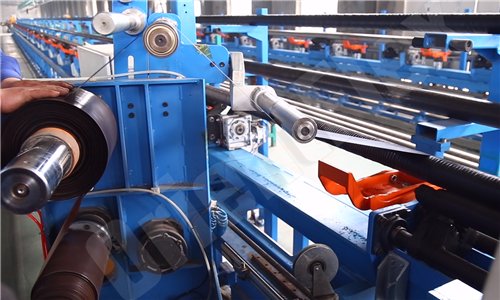
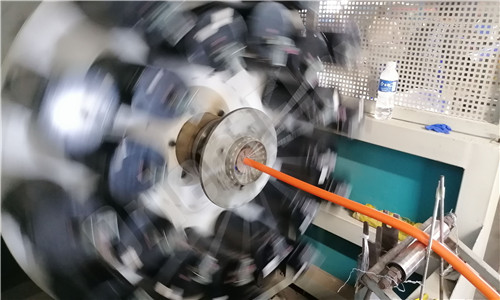
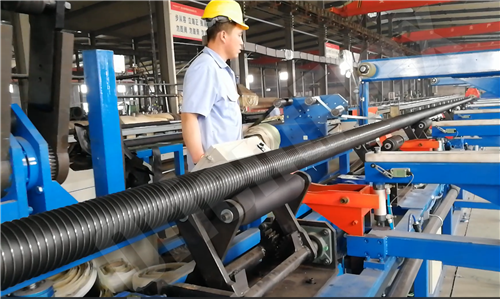
At the beginning of our establishment in 2010, we have just 10 members. But after 14 year’s develop, we have over 180 people now. Meanwhile, we constantly expand the scale our factory. Besides, we constantly improve our technology and update advanced equipment. As a result, our production efficiency has been greatly improved. While our products become better and better. And now, our supply capacity reaches 100 containers per month.


Our Strengths
- 14 years’ experience in foreign trading and export
- High quality products
- Good reputation from all over the world
- Professional sale, after sale and support team
- One-stop service
- ISO 9001, ISO 14001, CE, FDA, Reach and other certificates
- Several terms of payment convenient and flexible
- High capacity of anti-risk
- Wide business relationship all over the world
Comprehensive Product Catalog
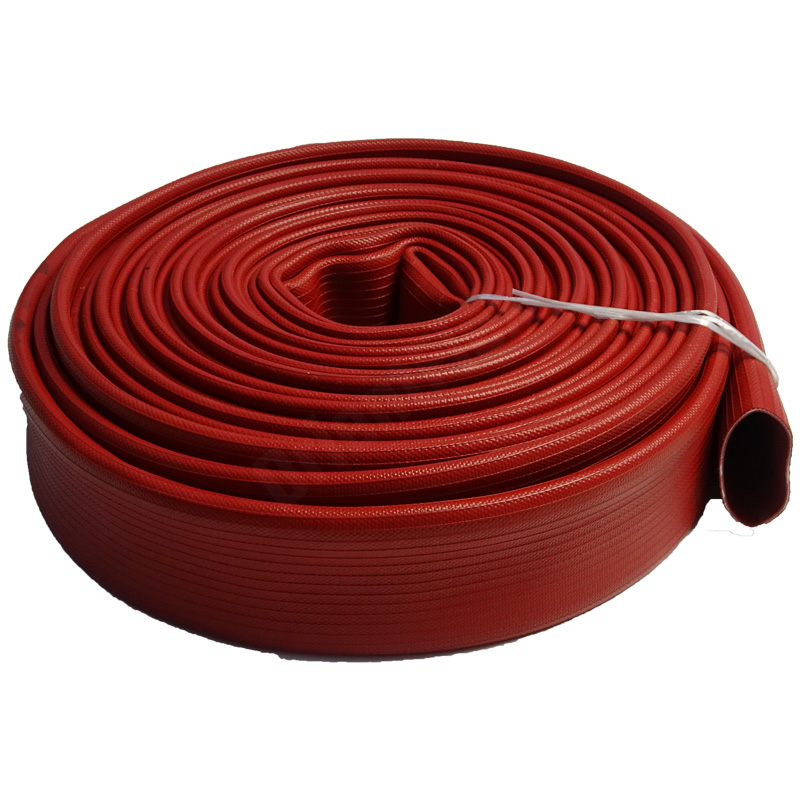
Heavy Duty Polyvinyl Cable Sleeve & Double Layer Protection Conduit
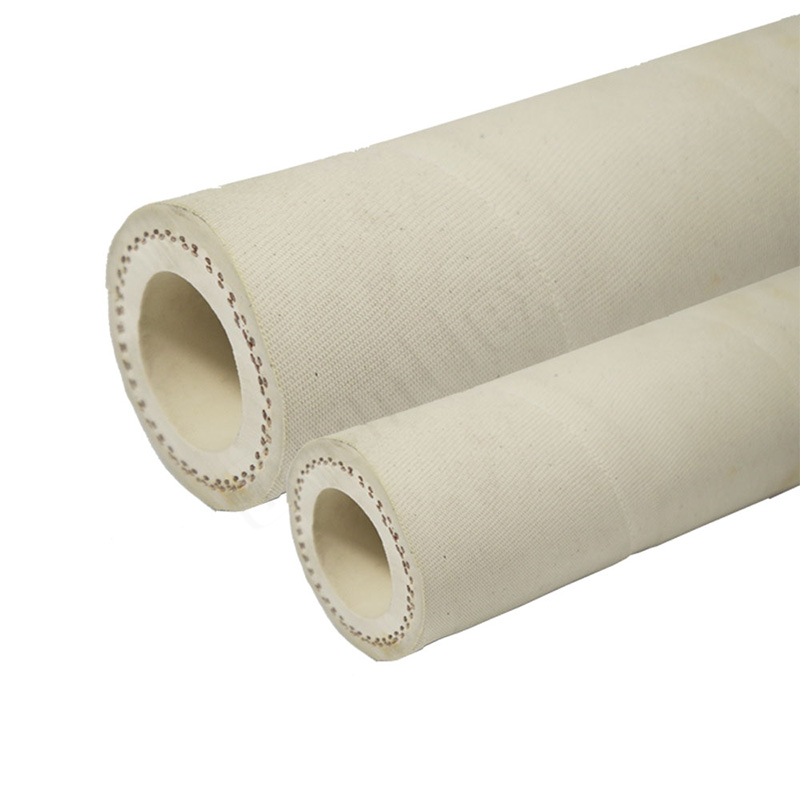
Flexible Polyvinyl Wire Conduit for Harsh Washdown Environments
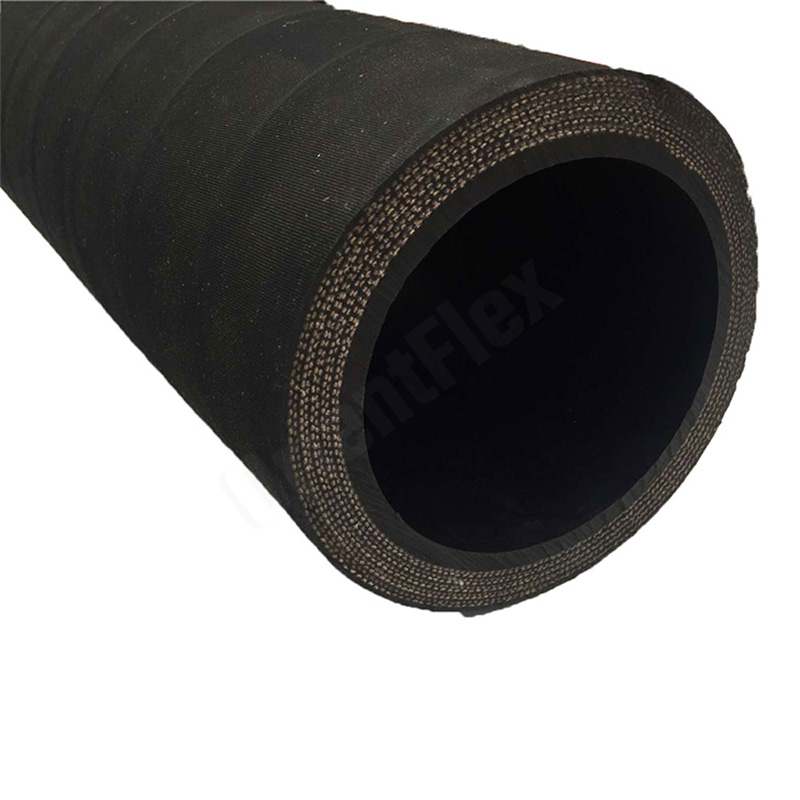
Abrasion-Resistant Underground Polyvinyl Conduit for Mining Cable Protection
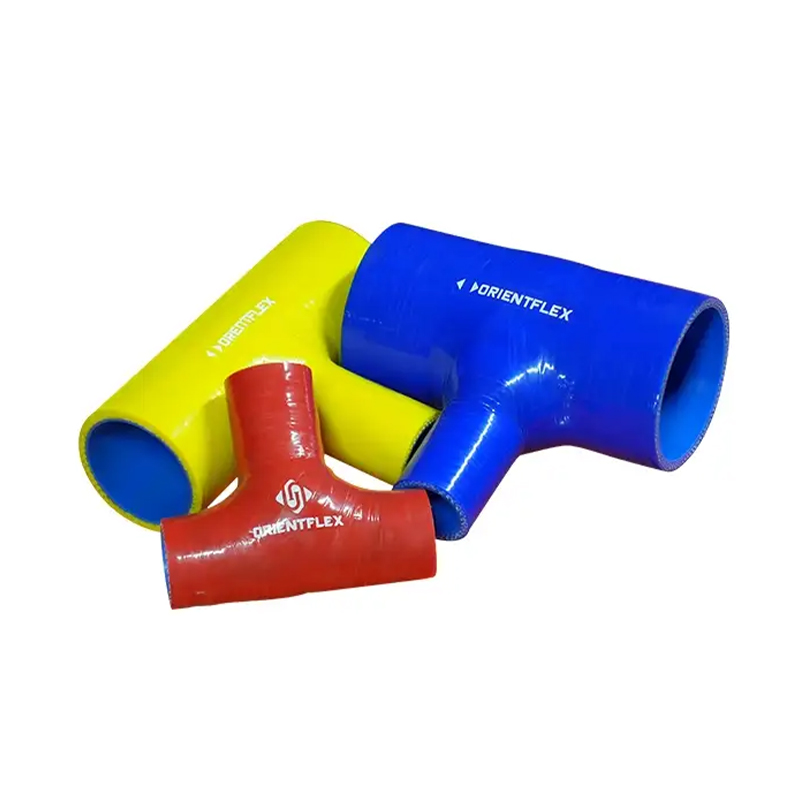
Custom-Engineered Polyvinyl T-Joint Conduit Sleeves
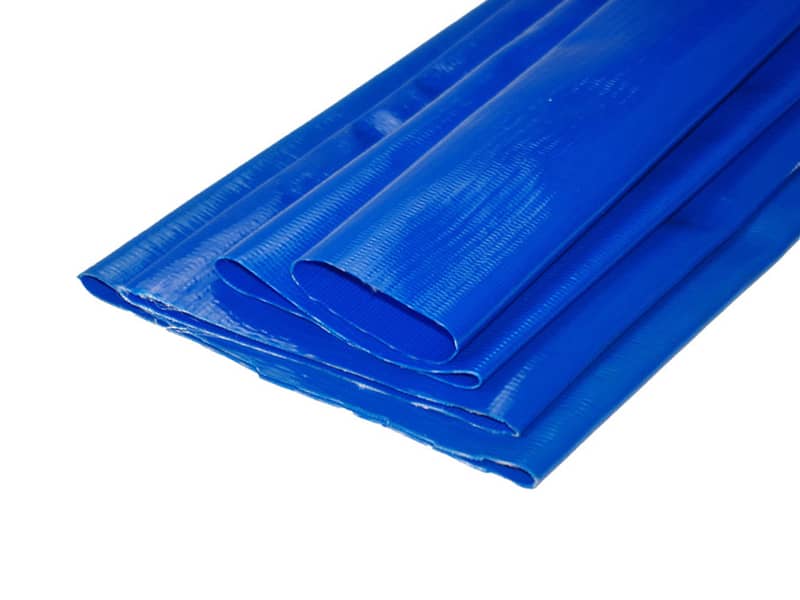
Large-Diameter Polyvinyl Cable Ducting for High-Voltage Underground Lines
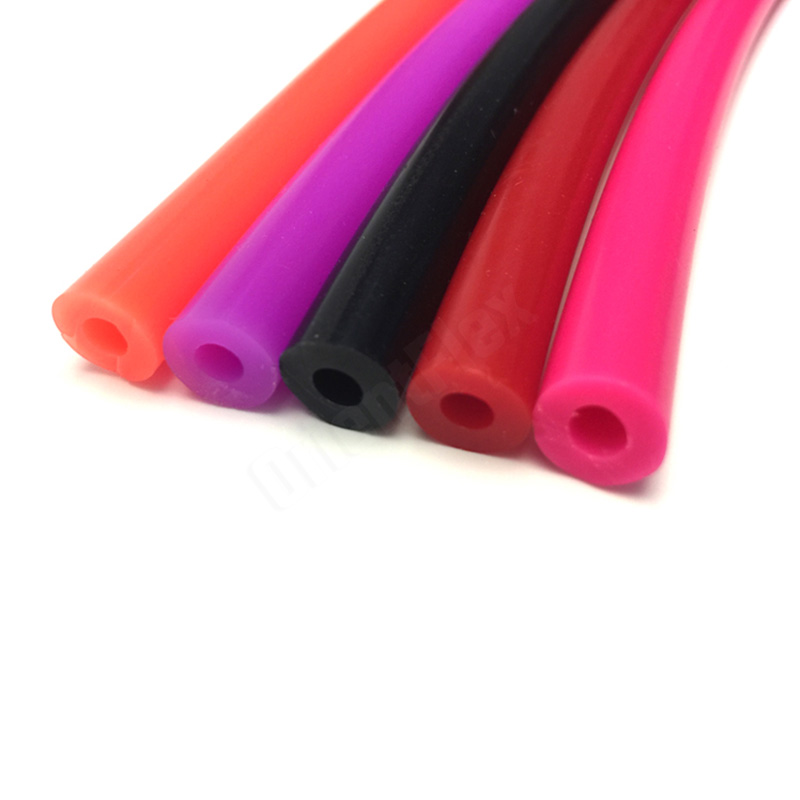
High-Purity Polyvinyl Conduit for Cleanroom Cable Routing
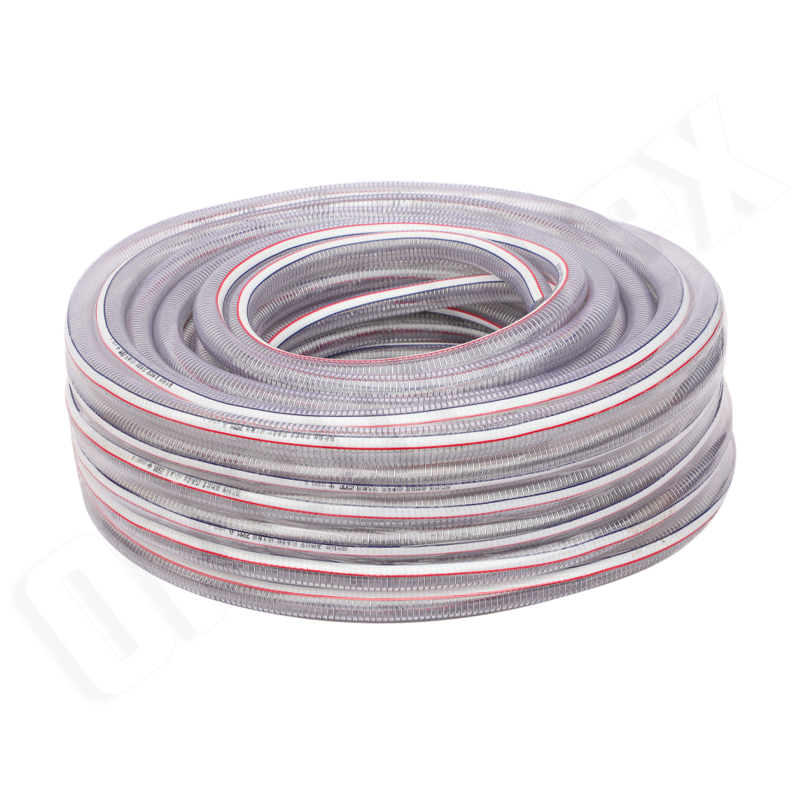
Steel Wire Reinforced Polyvinyl Tubing for Heavy-Duty Underground Conduits