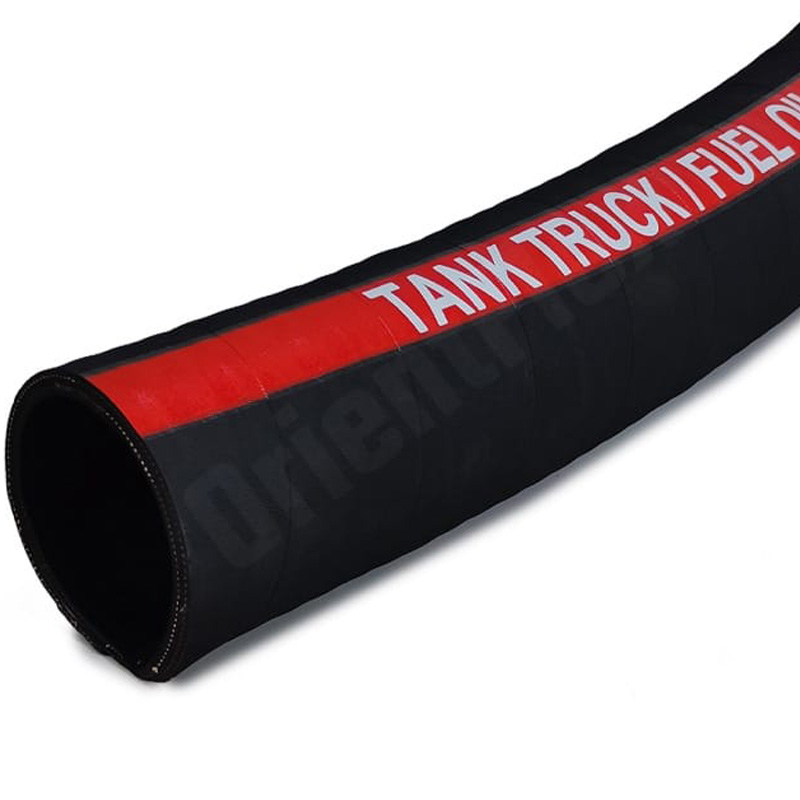
Essential Filtration Hoses
Explore our premium selection of flexible and reinforced PVC hoses specifically optimized for swimming pool water circulation, vacuum lines, and heavy-duty filtration systems.
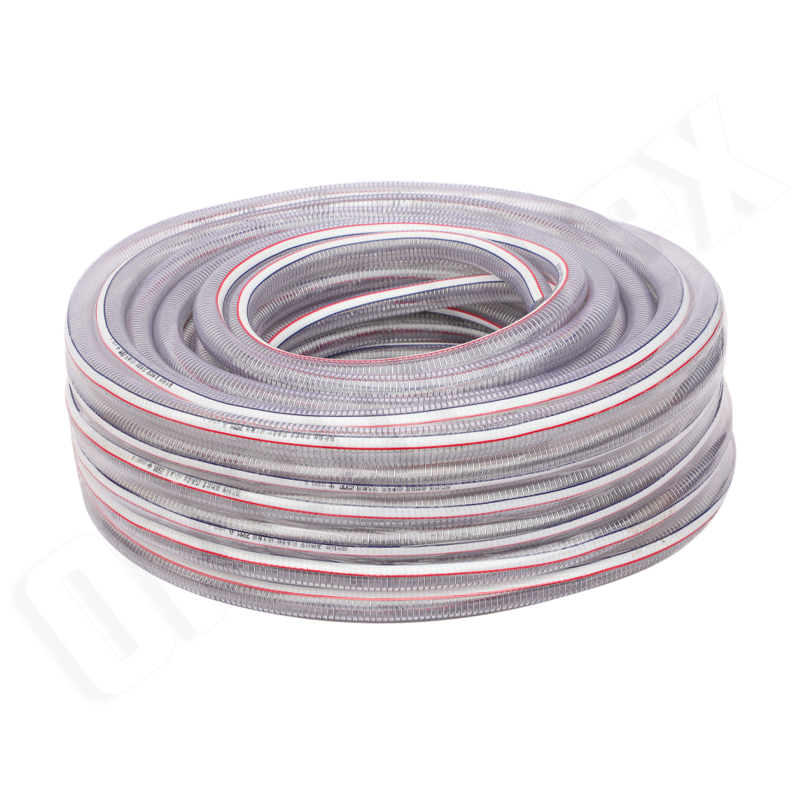
PVC Steel Wire Reinforced Hose for Swimming Pool Filtration Systems
View Details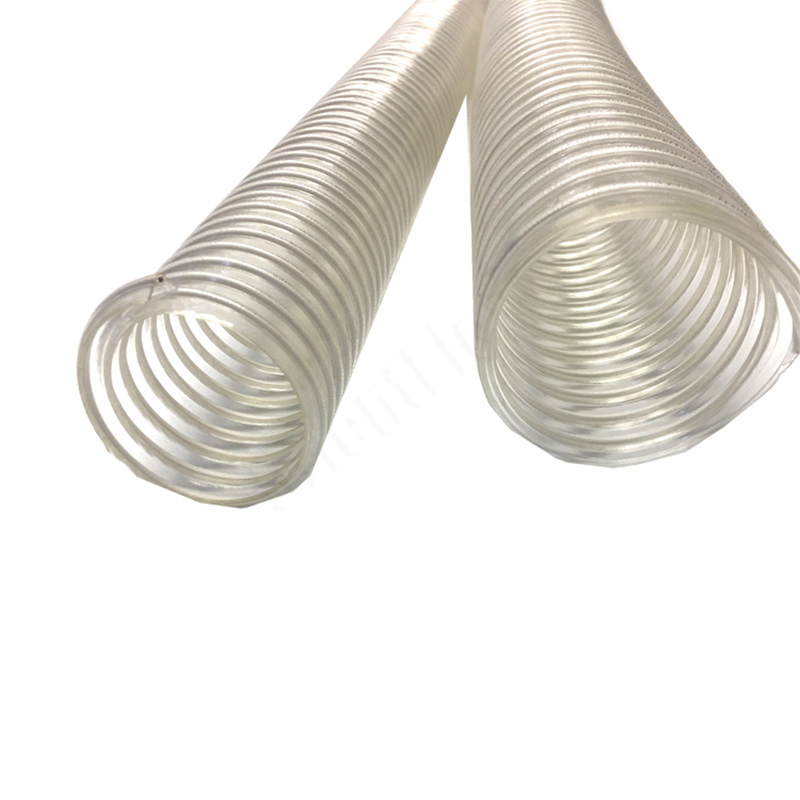
Flexible PVC Steel Wire Duct Hose for Pool Air & Water Circulation
View Details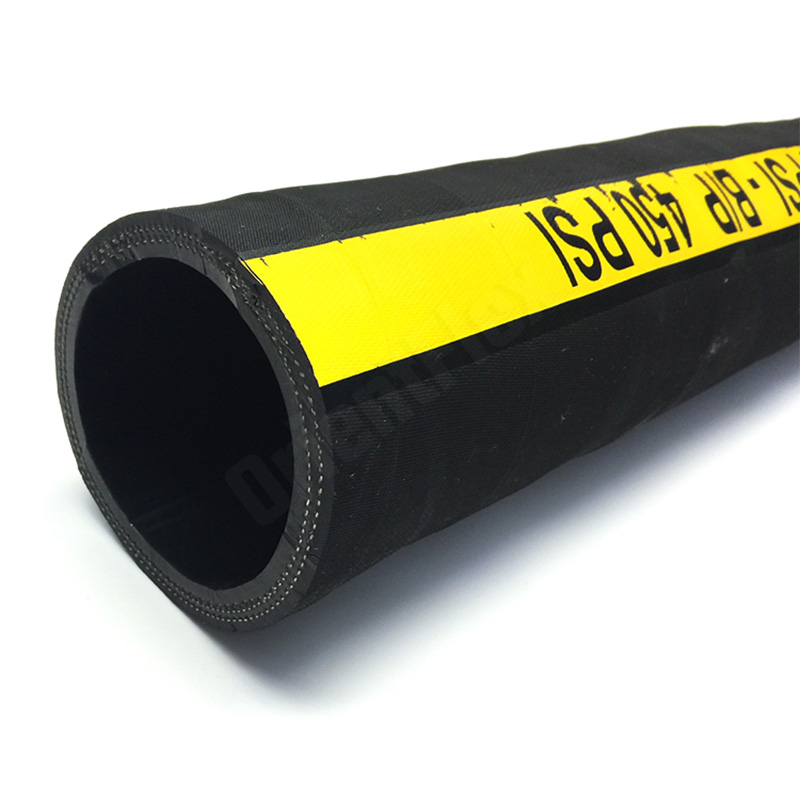
Heavy-Duty Rubber Discharge Hose for Pool Water Filtration Systems
View Details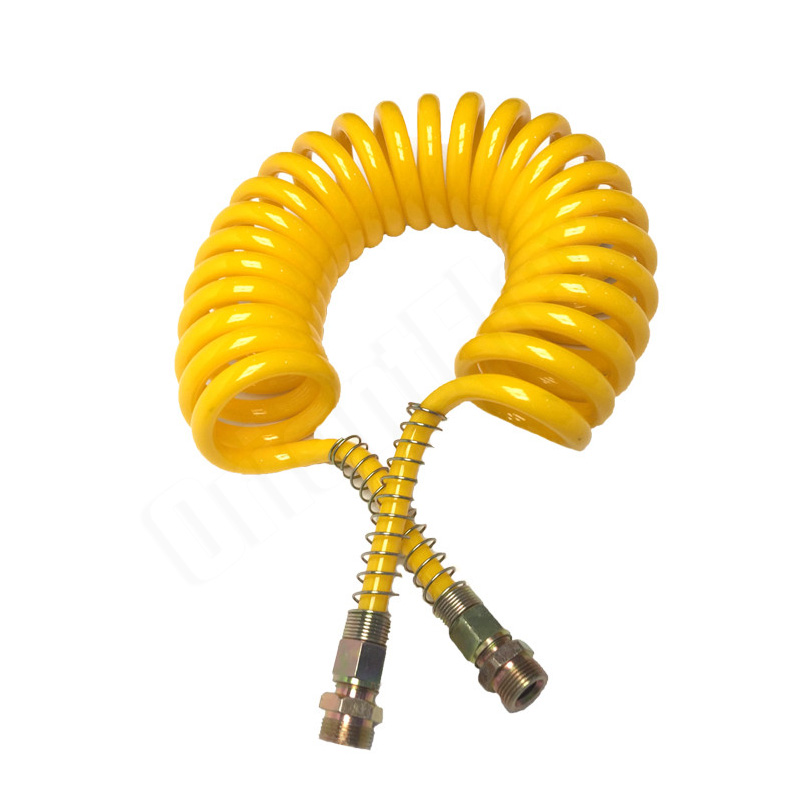
Coiled Air Hose for Pool Maintenance and Pneumatic Systems
View DetailsThe Critical Role of PVC Hoses in Swimming Pool Filtration and Circulation
Modern aquatic engineering demands highly reliable, flexible, and chemically resistant piping systems to ensure constant water circulation and hygienic safety. In swimming pools, water must be continuously extracted, filtered, sanitized, and returned to the pool basin. Any failure in this hydraulic loop can result in rapid water contamination, bacterial growth, and expensive system downtime. PVC (Polyvinyl Chloride) hoses have become the gold standard for connecting pumps, sand filters, chlorinators, and pool basins due to their unique balance of structural strength and flexibility.
💡 Industrial Insight: Why Flexible PVC is Replacing Rigid Piping
Historically, pool plumbers relied heavily on rigid schedule 40/80 PVC pipes. While durable, rigid pipes require numerous elbow fittings to navigate bends, which dramatically increases friction loss (head loss) and creates weak points prone to cracking under soil shifting or thermal expansion. Flexible PVC hoses solve these challenges by providing continuous, seamless runs that absorb ground movement, dampen pump vibrations, and optimize hydraulic flow rates.
Commercial and Industrial Status of Pool Filtration Systems
The global commercial pool and water park market is experiencing a rapid surge in growth, fueled by the expansion of luxury resorts, public water sports centers, and municipal wellness facilities. Consequently, the demands placed on water filtration infrastructure have become significantly more complex. Modern commercial pools require systems that process millions of gallons of water daily, demanding continuous operation under high pressures and chemical concentrations.
In industrial water circulation applications, such as large-scale public aquariums, thermal spas, and municipal fountains, the piping system is exposed to harsh chemical disinfectants including chlorine gas, sodium hypochlorite, ozone, and acid regulators. Standard hoses deteriorate rapidly under such conditions. This has driven the industry to adopt advanced PVC compound formulations that integrate polymeric plasticizers and UV stabilizers. These advancements ensure that the hoses remain flexible, do not leach harmful chemicals into the water, and resist internal chemical oxidation for decades.
Deep-Dive Application Scenarios of PVC Pool Hoses
1. Main Suction and Vacuum Lines
The suction side of a pool pump operates under negative pressure (vacuum). Standard flexible tubing would instantly collapse under this force. To prevent this, PVC hoses reinforced with a high-tensile steel wire helix or a rigid PVC spiral are utilized. These hoses maintain their round cross-section even under maximum pump suction, ensuring an uninterrupted flow of water from the pool's main drain and skimmers to the pre-filter basket.
2. High-Pressure Return Lines
Once water passes through the multi-port valve and the filtration media (sand, cartridge, or DE), it is returned to the pool under pressure. The return hoses must withstand constant hydraulic pressure, pressure spikes (water hammer) when valves are switched, and thermal changes from pool heaters. Braided and steel-wire reinforced PVC hoses offer excellent burst pressure ratings, ensuring long-term reliability in these high-stress zones.
3. Chemical Dosing and Sanitizer Loops
At the final stage of the circulation loop, sanitizing agents (liquid chlorine, acid for pH balance, or ozone) are injected into the stream. The hoses connecting the chemical dosing pumps to the main return lines must have exceptional chemical compatibility. Specialized PVC hoses with modified inner linings prevent chemical degradation, cracking, and crystallization of chemical residues.
4. Backwash and Waste Discharge
During the filter cleaning process (backwashing), large volumes of dirty water and debris must be quickly discharged to the waste line. Layflat TPU and heavy-duty PVC discharge hoses are ideal for this application, as they can be easily rolled out for temporary use and withstand high-velocity flow without bursting or tearing.
Technological Trends and Future Developments
The swimming pool hose industry is evolving rapidly, driven by the global push for sustainability, energy efficiency, and smart building integration. Several key trends are shaping the future of PVC hose manufacturing:
- Eco-Friendly Plasticizers: Traditional phthalate-based plasticizers are being replaced by bio-based, non-toxic alternatives to comply with strict environmental regulations like REACH and RoHS. This ensures that the water running through the hoses remains completely safe for swimmers.
- Anti-Microbial Linings: To combat biofilm accumulation inside the pipes (which can harbor pathogens like Pseudomonas and Legionella), manufacturers are developing hoses with silver-ion or specialized smooth polymer inner cores that actively inhibit bacterial colonization.
- Smart Integration: With the rise of IoT-enabled smart pools, research is underway to embed micro-sensors within the hose walls to monitor water pressure, flow rates, and chemical degradation in real-time, alerting operators to potential leaks or blocks before they cause system failure.
Best Practices for Hose Selection and Installation
To maximize the lifespan of PVC hoses in pool systems, engineers and installers must adhere to strict guidelines. First, the hose's working pressure rating must exceed the maximum output pressure of the pump. Second, the bend radius must be carefully planned; over-bending can cause kinking, which restricts flow and puts excessive stress on the pump motor. Finally, proper solvent welding (using PVC primers and cements specifically formulated for flexible PVC) or heavy-duty stainless steel T-bolt clamps must be used to guarantee leak-free joints.
Hebei Orient ADMA Tech Group Co., Ltd.
Hebei Orient Rubber & Plastic Co., Ltd. (Est. 2010)
Who We Are
Hebei Orient Rubber & Plastic Co., Ltd. was set up in 2010. We are a manufacturer integrating produce and export hoses and fittings. For our product, we have 5 series and more than 150 types. The 5 series include industrial hose, thermoplastic hose, hydraulic hose, silicone hose and auto hose. After 13 years' high speed development, we become a group company in 2023.
Development History
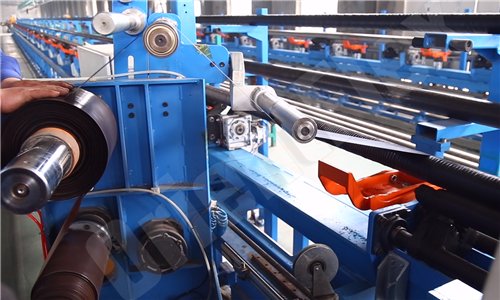
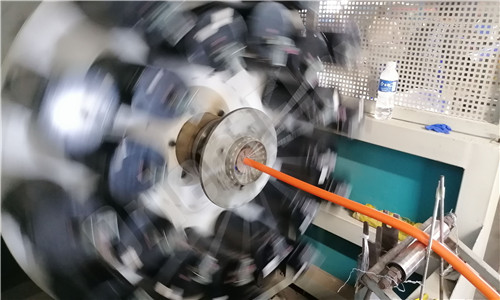
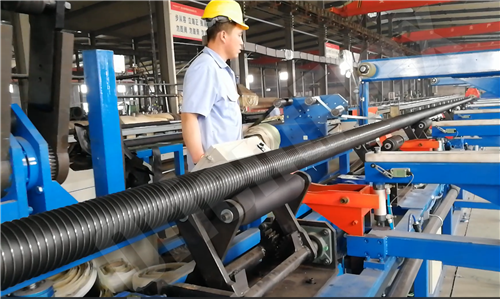
At the beginning of our establishment in 2010, we have just 10 members. But after 14 year’s develop, we have over 180 people now. Meanwhile, we constantly expand the scale our factory. Besides, we constantly improve our technology and update advanced equipment. As a result, our production efficiency has been greatly improved. While our products become better and better. And now, our supply capacity reaches 100 containers per month.


Our Strengths
Why leading aquatic facilities and industrial projects trust Hebei Orient ADMA Tech Group Co., Ltd.
01 Global Experience
14 years' experience in foreign trading and export with a highly respected reputation from all over the world.
02 High Quality Standards
Certified by ISO 9001, ISO 14001, CE, FDA, Reach, and other international standard certifications.
03 One-Stop Service
Comprehensive product range covering hoses, fittings, custom fabrication, and direct global delivery.
04 Flexible Terms
Several terms of payment that are convenient and flexible to match our clients' financial workflows.
05 Dedicated Support
Professional sales, after-sales, and technical support teams available 24/7 to solve your fluid system challenges.
06 Risk Mitigation
High capacity of anti-risk, backed by a large group company structure and wide business relationships globally.
Our Full Product Catalog
Explore our complete range of high-performance hoses engineered for pool filtration, industrial water transfer, and automotive systems.
PVC Steel Wire Reinforced Hose for Swimming Pool Filtration Systems
View Details
Flexible PVC Steel Wire Duct Hose for Pool Air & Water Circulation
View Details
Heavy-Duty Rubber Discharge Hose for Pool Water Filtration Systems
View Details
Coiled Air Hose for Pool Maintenance and Pneumatic Systems
View Details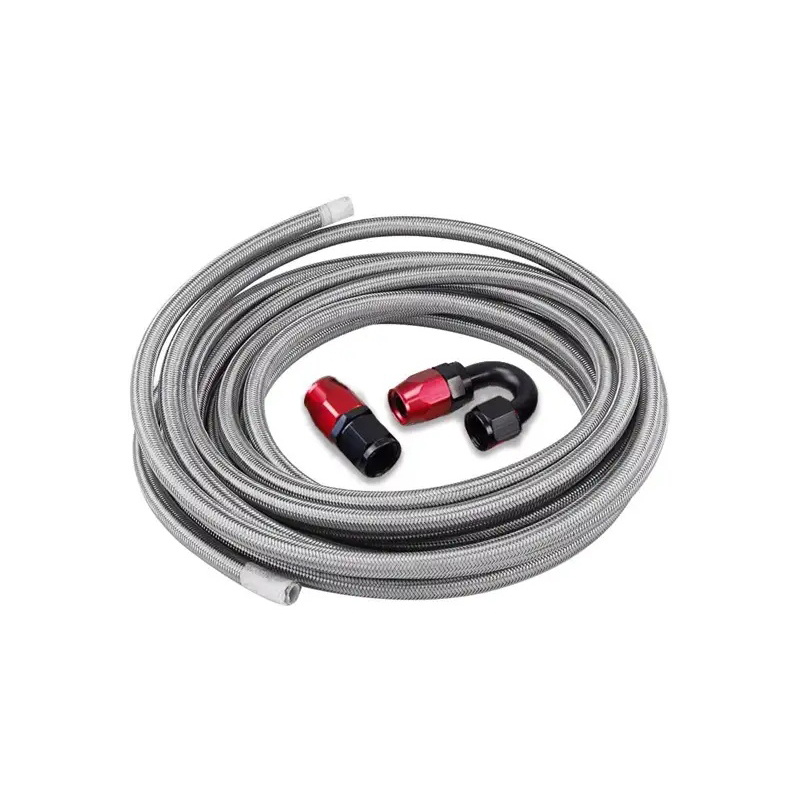
Durable Rubber Hose for Pool Heating and Cooling Circulation
View Details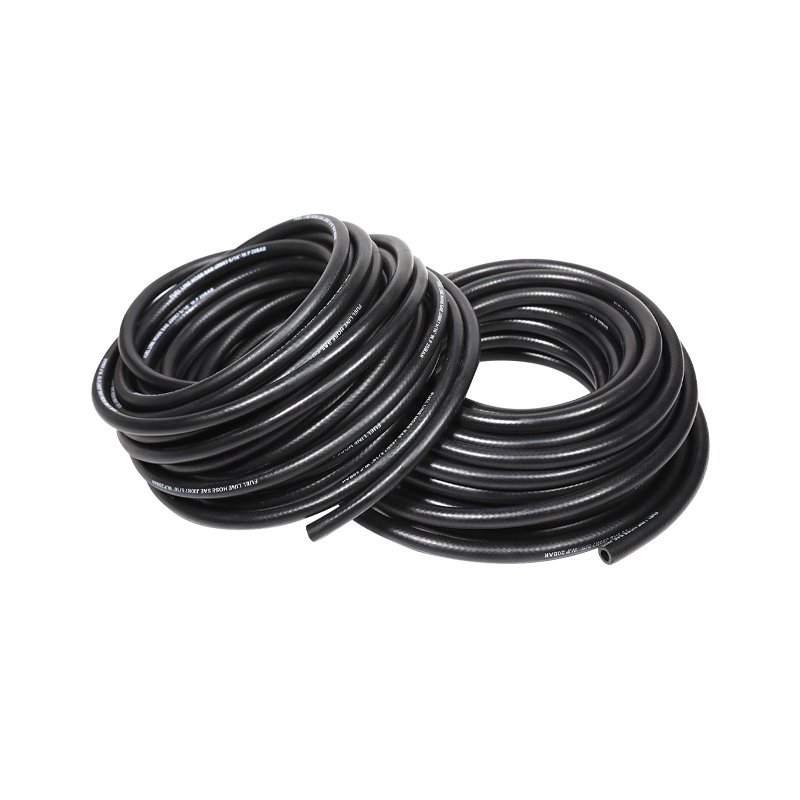
High-Performance Certified Hose for Pool Pump Engines and Fuel Systems
View Details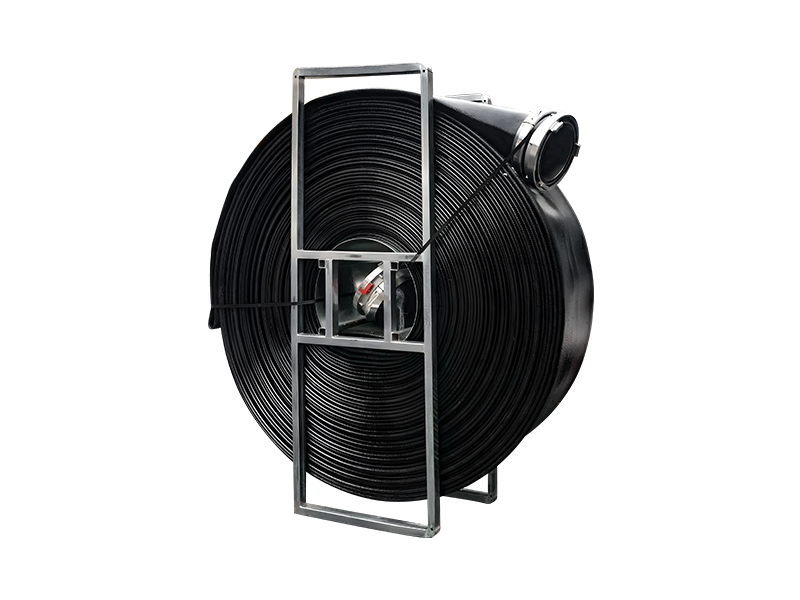
TPU Layflat Water Transfer Hose for Pool Drainage and Filtration Systems
View Details