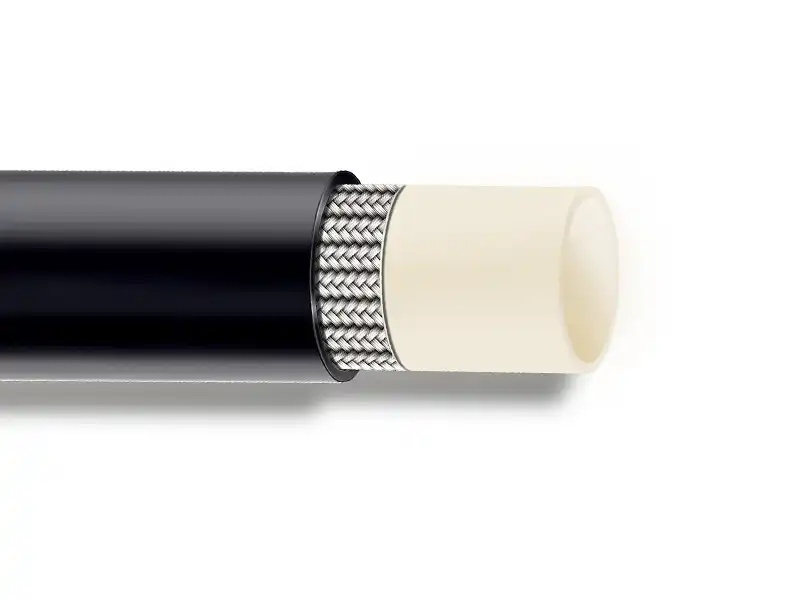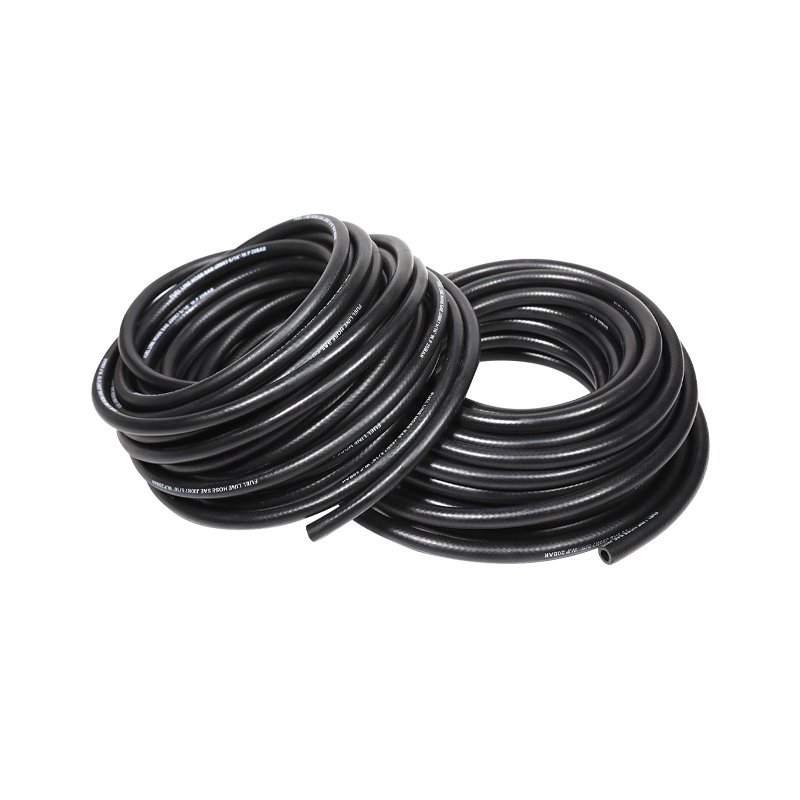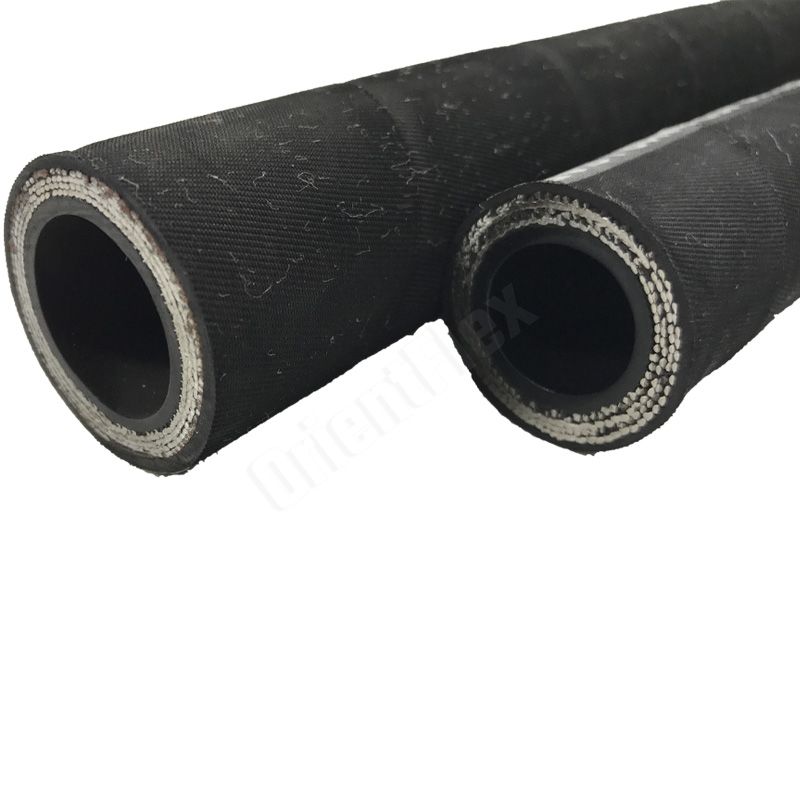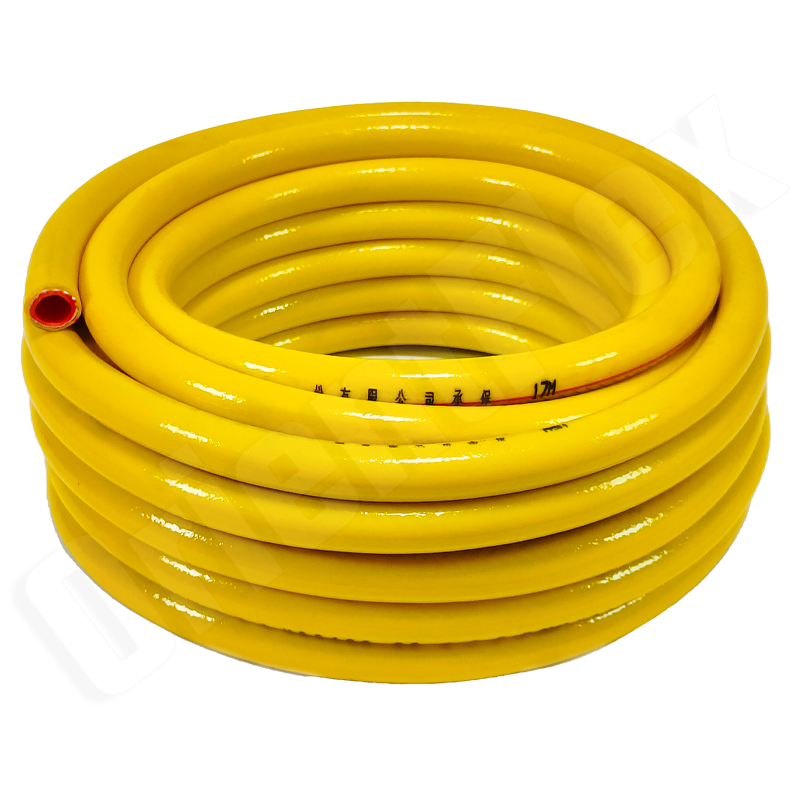
Featured Food-Grade Fluid Delivery Hoses
Explore our premium selection of flexible PVC and specialty polymer hoses engineered specifically for high-purity fluid transfer and processing environments.
Introduction to PVC Hoses in Food & Beverage Processing
In the modern industrial landscape, the processing of food and beverages demands the highest standards of safety, hygiene, and efficiency. Every component within the production line, especially the fluid transfer systems, must comply with strict regulatory frameworks. Among the various choices available, the PVC pipe hose for food and beverage processing fluid delivery stands out as a versatile, reliable, and cost-effective solution. These hoses are engineered to transport liquid ingredients, dairy products, alcoholic and non-alcoholic beverages, and potable water without altering the taste, odor, or chemical composition of the media.
The transition of raw ingredients into consumable goods involves complex machinery where flexibility and visibility are paramount. Food-grade PVC (Polyvinyl Chloride) hoses are specifically formulated with non-toxic plasticizers to ensure they remain flexible while complying with international health standards. Whether used in high-pressure washdown systems, vacuum-assisted filling stations, or gravity-fed transfer systems, choosing the correct PVC hose is vital to maintaining operational integrity and preventing contamination.
Unlike industrial-grade hoses, food-grade PVC hoses undergo rigorous testing to ensure zero migration of chemical substances into the food stream. This prevents contamination and safeguards public health, making them essential for compliance with global standards like the FDA and EU regulations.
Industrial Status and Market Demand for Food-Grade PVC Hoses
The global food and beverage processing industry is experiencing rapid growth, driven by changing consumer preferences, urbanization, and a rising demand for packaged and convenience foods. Consequently, the demand for high-performance fluid transfer components, particularly food-grade PVC hoses, has surged. Manufacturers are increasingly looking for solutions that offer long service life, ease of cleaning, and compliance with dynamic global food safety regulations.
Historically, standard PVC hoses faced scrutiny due to the use of certain phthalate plasticizers. However, the modern industrial landscape has adapted. Today's leading manufacturers utilize advanced, phthalate-free, and bio-based plasticizers. This technological leap has restored confidence in PVC as a primary material for food-contact applications. The market is now characterized by a shift toward highly customized co-extruded hoses that offer specialized properties such as antimicrobial inner linings and static-dissipative covers to handle dry bulk powders alongside liquid media.
Deep-Dive Application Scenarios in Food & Beverage Processing
The versatility of PVC pipe hoses allows them to be deployed across a wide spectrum of application scenarios within processing plants. Understanding these specific environments is crucial for selecting the correct hose configuration.
1. Dairy and Milk Processing Lines
Dairy processing involves handling fatty substances at varying temperatures. Standard hoses can degrade quickly when exposed to milk fats, leading to cracking and bacterial buildup. Specially formulated food-grade PVC hoses with smooth inner bores prevent fat accumulation and withstand clean-in-place (CIP) sanitation protocols. Their transparency allows operators to monitor the flow of milk continuously, ensuring that any blockage or flow irregularity is detected instantly.
2. Beverage Dispensing and Bottling
In bottling plants for soft drinks, juices, and alcoholic beverages, maintaining flavor purity is the highest priority. PVC hoses used here must be completely tasteless and odorless. They are often reinforced with high-tensile textile braiding to handle the pressure spikes associated with automated filling valves. The smooth interior surface minimizes friction loss and prevents the retention of flavor residues, allowing for quick product changeovers with minimal flushing time.
3. Fat and Oil Transfer
Conveying edible oils, such as olive oil, canola oil, and animal fats, requires a PVC hose with excellent oil resistance. Standard PVC can become brittle when exposed to lipids. Modern oil-resistant PVC formulations incorporate specific polymers that resist extraction by fats, ensuring the hose remains flexible and durable even after prolonged contact with oily food substances.
4. Dry Food Granule and Powder Conveying
Fluid delivery is not limited to liquids. The pneumatic conveying of dry foods like flour, sugar, starch, and milk powder falls under this category. For these dry materials, friction against the hose wall can generate static electricity, posing a risk of dust explosions. Food-grade PVC hoses reinforced with a rigid PVC helix and an integrated static-dissipative wire are used to safely ground electrostatic charges while maintaining a clear view of the material flow.
Food-grade PVC hoses must withstand not only the food products themselves but also the aggressive chemical sanitizers and hot water cycles used during CIP cleaning. Resistance to chlorine, acids, and alkalis is a key requirement for modern processing hoses.
Key Technological Trends & Innovations
The PVC hose manufacturing industry is undergoing a digital and material science revolution. Key trends shaping the future of food-grade hoses include:
- Multi-Layer Co-Extrusion: Combining the chemical resistance of polyurethane or fluoropolymers on the inner layer with the flexibility and cost-effectiveness of PVC on the outer layer.
- Phthalate-Free Formulations: Compliance with strict European REACH and FDA regulations has driven the development of non-phthalate plasticizers that offer equal or superior flexibility and longevity.
- Smart Hoses: Integration of RFID chips or sensor bands within the hose structure to monitor wear, temperature, and pressure in real-time, enabling predictive maintenance.
- Enhanced Reinforcements: Using specialized spiral steel wire or high-tenacity polyester fibers to allow PVC hoses to operate under higher vacuum and working pressure ratings without collapsing or kinking.
Selecting the Right PVC Pipe Hose: A Buyer's Guide
When sourcing PVC hoses for food and beverage processing, procurement managers and engineers must evaluate several critical parameters to ensure safety and system compatibility:
Temperature Range: Standard PVC hoses typically operate efficiently between -10°C and +60°C. For applications involving steam cleaning or sub-zero storage, specialized formulations or alternative materials like silicone should be considered.
Pressure and Vacuum Ratings: Reinforced hoses (wire helix or braided) are required for suction lines and high-pressure discharge. Unreinforced tubing is only suitable for gravity flow or low-pressure fluid transfer.
Regulatory Certifications: Always verify that the hose meets FDA 21 CFR 175.300, EU Regulation No. 10/2011, and NSF-51/NSF-61 standards for potable water and food contact.
Hebei Orient ADMA Tech Group Co., Ltd.
A Leading Global Manufacturer and Exporter of Industrial Hoses & Fittings
Who We Are
Hebei Orient Rubber & Plastic Co., Ltd. (now operating as Hebei Orient ADMA Tech Group Co., Ltd.) was set up in 2010. We are a manufacturer integrating produce and export hoses and fittings. For our product, we have 5 series and more than 150 types. The 5 series include industrial hose, thermoplastic hose, hydraulic hose, silicone hose and auto hose. After 13 years' high speed development, we became a group company in 2023.
At the beginning of our establishment in 2010, we had just 10 members. But after 14 years' development, we have over 180 people now. Meanwhile, we constantly expand the scale of our factory. Besides, we constantly improve our technology and update advanced equipment. As a result, our production efficiency has been greatly improved, while our products become better and better. And now, our supply capacity reaches 100 containers per month.
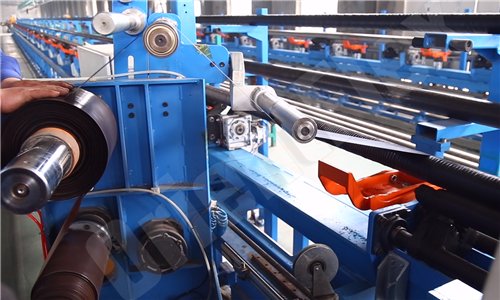
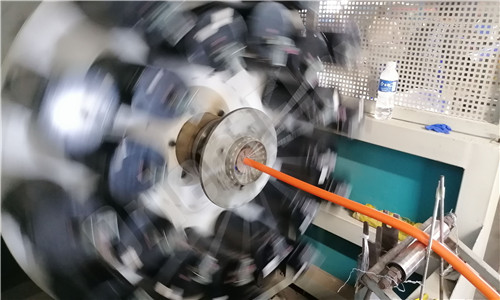
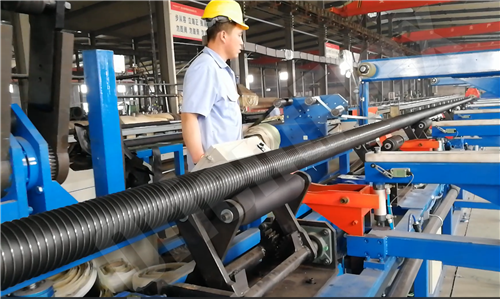
Manufacturing Excellence & Facilities
Our state-of-the-art production lines utilize advanced extrusion technology to produce food-safe hoses that comply with global standards.


Our Strengths
Why global enterprises choose us as their long-term fluid delivery partner.
14 years’ experience in foreign trading and export
Deep understanding of global logistics, customs compliance, and international trade standards.
High quality products
Manufactured using premium raw materials with strict quality control inspections at every stage.
Good reputation from all over the world
Trusted by clients across North America, Europe, Asia, and South America for reliable performance.
Professional sale, after sale and support team
24/7 technical support and dedicated customer service to ensure smooth project execution.
One-stop service
From custom hose design and extrusion to fitting assembly and final packaging.
ISO 9001, ISO 14001, CE, FDA, Reach and other certificates
Fully certified operations assuring compliance with environmental and food-safety standards.
Several terms of payment convenient and flexible
Flexible financial solutions designed to accommodate diverse corporate procurement processes.
High capacity of anti-risk
Robust supply chain management and large inventory reserves to prevent project delays.
Wide business relationship all over the world
Collaborating with global distributors and OEM partners to deliver advanced fluid transfer technology globally.
Complete Product Portfolio
Our comprehensive line of hoses serves food processing, chemical delivery, hydraulic systems, and automotive industries with certified reliability.