
Featured Slurry Pumping & Industrial Hose Solutions
Industrial Demands of Slurry Pumping in Heavy Construction
In the realm of heavy industrial construction, slurry pumping stands out as one of the most abrasive, demanding, and volatile fluid transfer challenges. Slurry—a complex mixture of dense solids such as sand, gravel, cement, clay, and chemicals suspended in water—requires transport systems that can withstand extreme mechanical wear, high pressures, and fluctuating temperatures. As a premier silicone hose company and industrial hose manufacturer, we recognize that standard piping systems fall short. The dynamic nature of construction sites demands flexible, high-tensile, and chemically resistant hose configurations to ensure operational continuity and minimize costly downtime.
Modern construction sites, including deep foundation work, tunneling, mining operations, and large-scale infrastructure projects, rely heavily on slurry pumps to relocate waste materials and transport concrete mixtures. The hoses connected to these pumps act as the critical arteries of the site. If a hose fails due to abrasive wear or pressure surges, the entire operation halts, leading to significant financial losses and safety hazards. Consequently, engineering-grade silicone and reinforced rubber hoses have become the gold standard for modern heavy-duty applications.
Why Silicone and Specialized Polymers Matter in Slurry Applications
Silicone and high-performance rubber polymers offer distinct advantages over traditional PVC or metallic conduits. While metal hoses provide excellent pressure resistance, they lack the extreme flexibility and dampening properties required when connected to heavy vibrating slurry pumps. Conversely, standard PVC hoses degrade rapidly under the abrasive friction of coarse slurry particles and fail under thermal stress.
Silicone formulation allows for a unique combination of flexibility, temperature resistance (ranging from -50°C to over 200°C), and chemical inertness. When multi-layered and reinforced with high-tensile steel wire spirals or polyester braids, these hoses can handle high-velocity slurry flow without structural degradation. The smooth inner bore of a high-quality silicone hose reduces friction, preventing clogging and optimizing pump efficiency on-site.
Deep Application Analysis: From Tunneling to Deep Foundations
Let us examine the precise application scenarios where high-durability hoses are non-negotiable:
1. Tunnel Boring and Excavation: During micro-tunneling or large-scale subway excavations, bentonite slurry is pumped to the cutter head to stabilize the tunnel face and transport excavated soil back to the surface. Hoses in this environment must bend around tight radii while resisting external crushing forces and internal abrasive wear.
2. Deep Foundation Piling: In constructing skyscrapers and bridges, deep shafts are drilled and filled with slurry to prevent collapse before concrete is poured. The slurry must be continuously circulated and cleaned, requiring robust suction and discharge hoses capable of handling heavy mud and rock fragments.
3. Industrial Waste and Tailings Management: In heavy industrial processing plants, slurry containing chemical residues, acids, and abrasive minerals must be routed to treatment facilities. The chemical resistance of silicone and specialized rubber compounds ensures that the hose wall does not corrode or leach hazardous substances into the environment.
Technological Trends in Industrial Hose Manufacturing
The industrial hose industry is undergoing a significant transformation driven by material science breakthroughs and smart technologies. As construction projects become more complex and environmentally regulated, hose manufacturers are adapting to meet these new standards.
Advanced Reinforcement Techniques: Traditional hoses relied on basic textile braiding. Today, advanced multi-spiral steel wire reinforcement and high-performance synthetic fibers (such as aramid) are integrated into the hose carcass. This allows hoses to handle working pressures exceeding several hundred bars while maintaining optimal flexibility.
Smart Hose Monitoring: The integration of IoT sensors within industrial hose assemblies is an emerging trend. These sensors monitor real-time pressure, temperature, and wall wear, warning operators of potential failures before they occur. This predictive maintenance approach is revolutionizing safety and efficiency on heavy construction sites.
Eco-Friendly and Sustainable Materials: With global focus shifting toward carbon neutrality, manufacturers are researching bio-based polymers and cleaner vulcanization processes. Reducing the environmental footprint of silicone and rubber production while maintaining or exceeding current performance metrics is a key focus for leading R&D teams.
About Hebei Orient ADMA Tech Group Co., Ltd.
Who We Are
Hebei Orient Rubber & Plastic Co., Ltd. was set up in 2010. We are a manufacturer integrating produce and export hoses and fittings. For our product, we have 5 series and more than 150 types. The 5 series include industrial hose, thermoplastic hose, hydraulic hose, silicone hose and auto hose. After 13 years' high speed development, we become a group company in 2023.
Development History
At the beginning of our establishment in 2010, we have just 10 members. But after 14 year’s develop, we have over 180 people now. Meanwhile, we constantly expand the scale our factory. Besides, we constantly improve our technology and update advanced equipment. As a result, our production efficiency has been greatly improved. While our products become better and better. And now, our supply capacity reaches 100 containers per month.
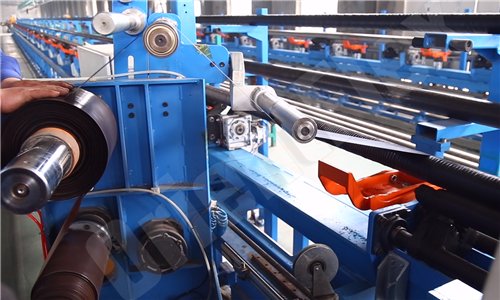
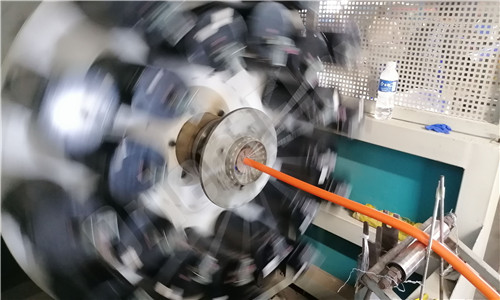
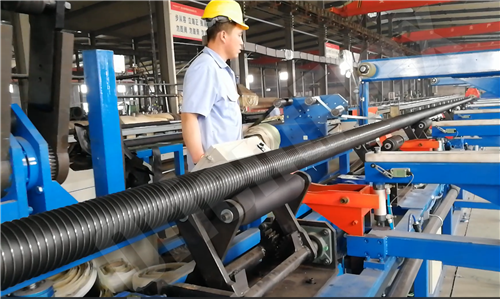
Our Manufacturing & Quality Control Facilities


Our Strengths & Global Advantages
As an industry-leading group, we combine advanced manufacturing technology with strict quality management systems to deliver top-tier fluid transfer products worldwide.
14 Years of Global Export
Extensive experience in international trade, exporting to over 80 countries with seamless logistics.
Global Certifications
Fully certified under ISO 9001, ISO 14001, CE, FDA, REACH, and other international standards.
One-Stop Solution
From custom hose design and material formulation to final fittings assembly and testing.
High Quality Standards
Strict multi-stage testing ensures high pressure, wear, and chemical resistance for every batch.
Professional Support
Our dedicated technical sales and after-sales service teams are available 24/7 for support.
High Capacity & Stability
With a monthly capacity of 100 containers, we ensure stable supply even during peak global demand.
Complete Slurry Pumping & Industrial Hose Catalog
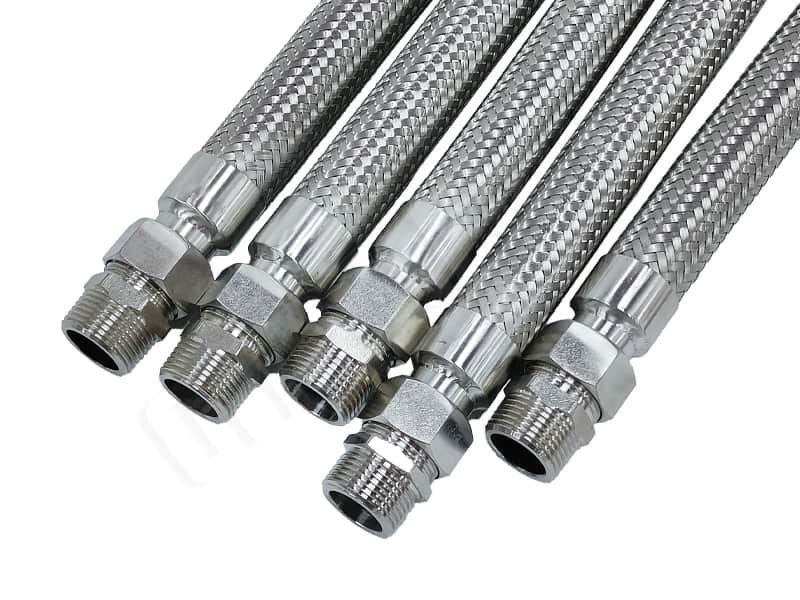
Flexible Metal Hose Assemblies | Slurry Vibration Absorbers
View Details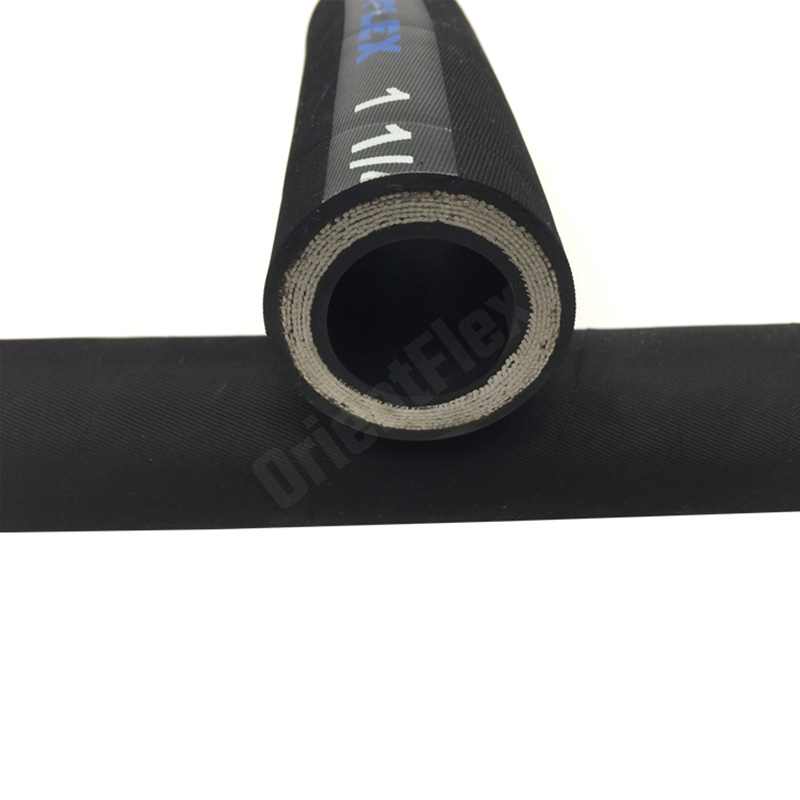
SAE 100 R13 Steel Wire Spiraled Slurry Hydraulic Hose
View Details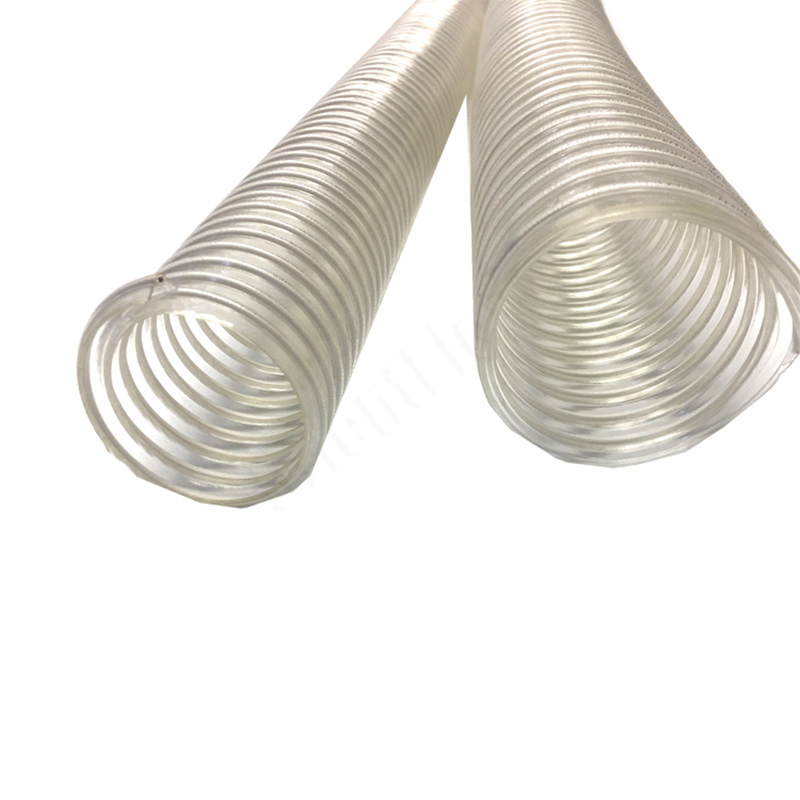
PVC Steel Wire Duct Hose for Light Slurry & Ventilation
View Details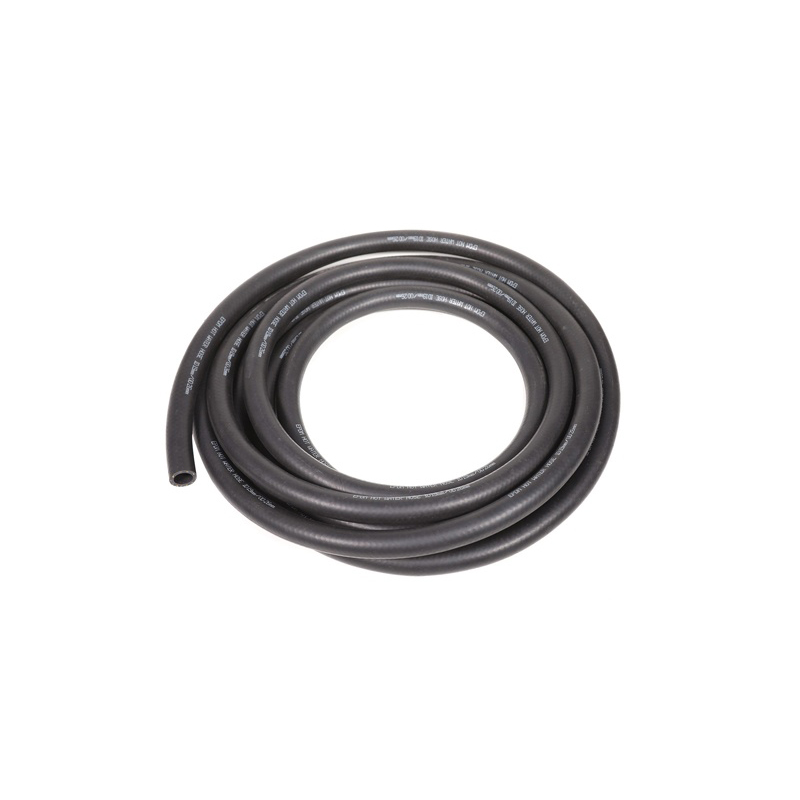
Rubber Heater Hose SAE J20 R3 for Slurry Pump Engine Cooling
View Details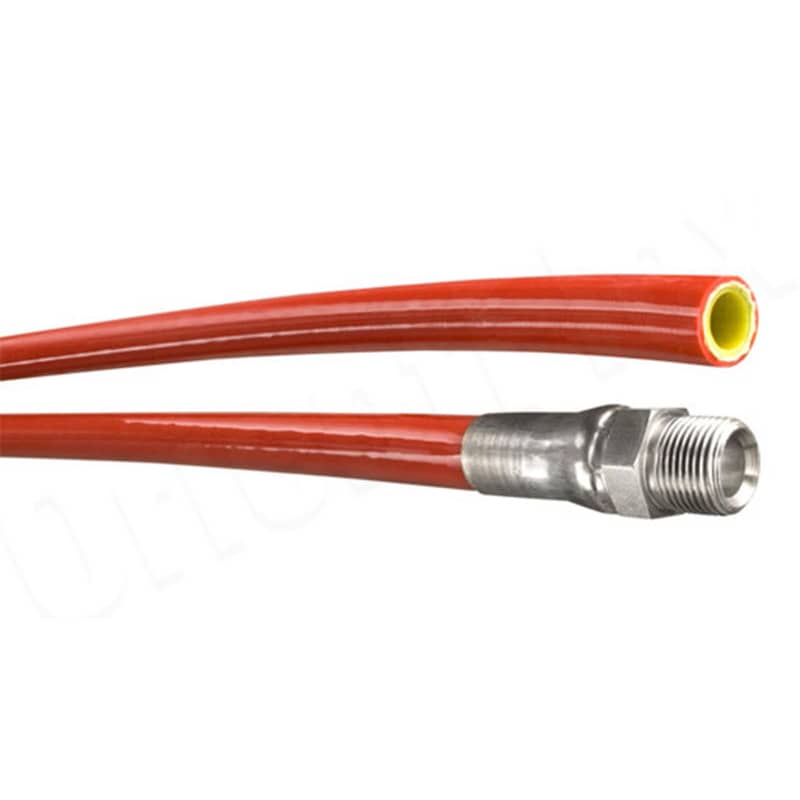
Sewer Jetting & High-Pressure Slurry Flushing Hose
View Details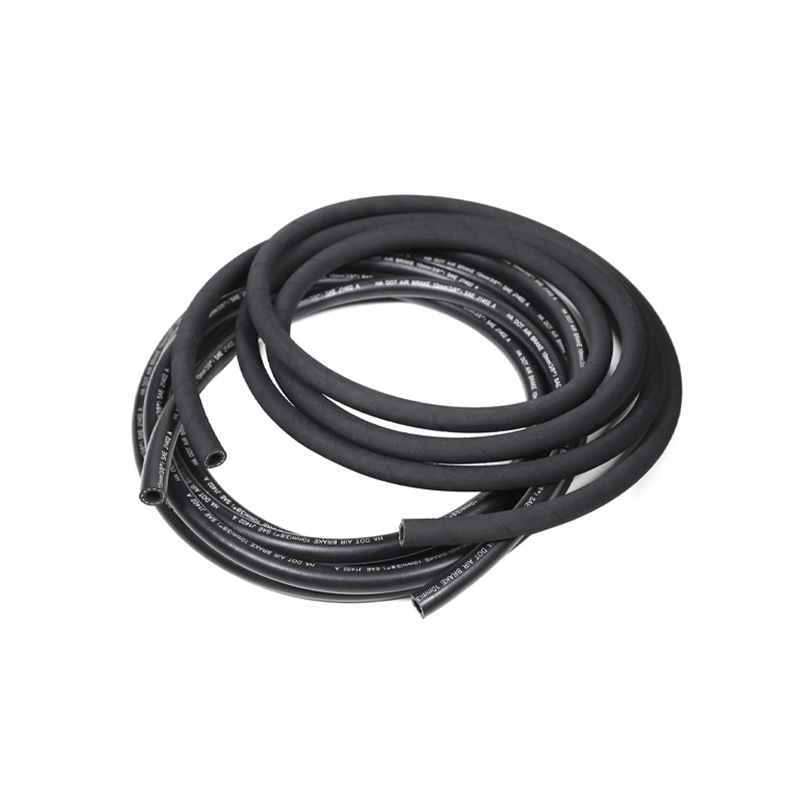
SAE J1401 Heavy Duty Hydraulic Brake Hose for Slurry Machinery
View Details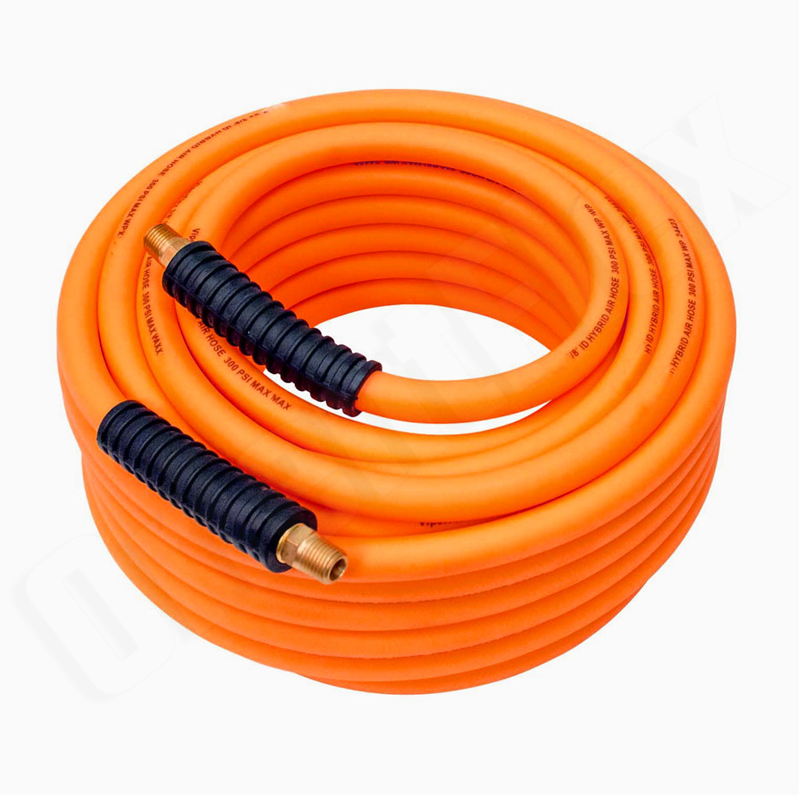
PVC Air Hose for Slurry Pump Pneumatic Control Systems
View Details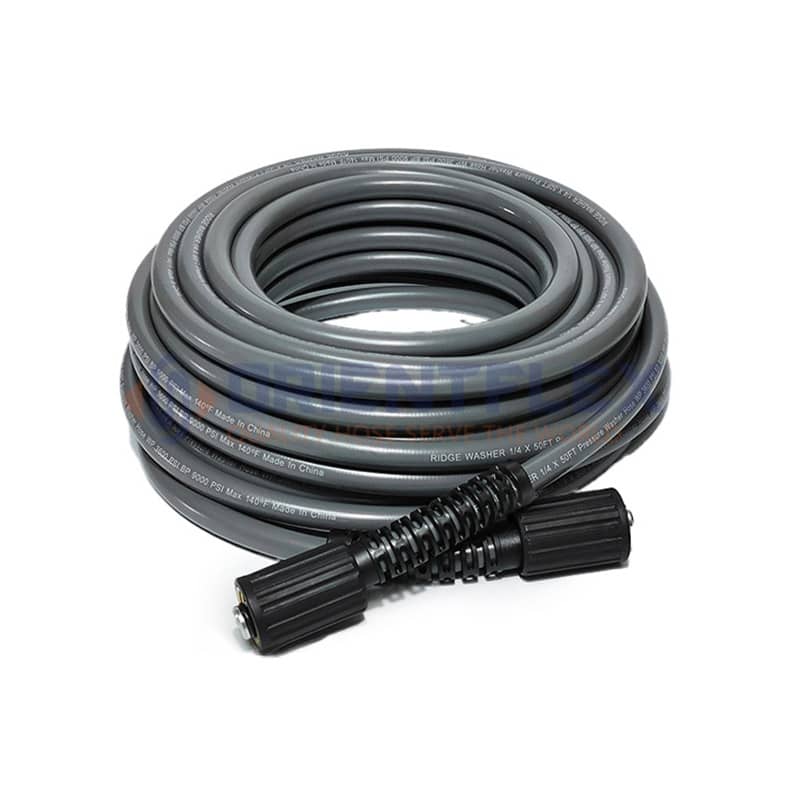
PVC Pressure Washer Hose for Post-Slurry Equipment Washdowns
View DetailsEngineering Parameters: Designing Hoses for Abrasive Slurries
When selecting a hose for slurry pumping on heavy industrial construction sites, engineers must evaluate several key physical properties. The abrasive nature of slurry means that internal wear is the primary cause of hose failure. To combat this, the inner tube of the hose must be constructed from a highly resilient material that can absorb and deflect the impact of solid particles.
While silicone is highly valued for its extreme temperature resistance and flexibility, it is often reinforced or lined with specialized elastomers (such as natural rubber, polyurethane, or nitrile) when handling highly abrasive materials. For hot slurry applications, or where chemical additives are present, silicone's chemical inertness prevents the hose from hardening or cracking, ensuring a significantly longer service life compared to standard industrial rubbers.
Pressure Ratings and Vacuum Resistance
Slurry pumping systems operate under both positive pressure (discharge) and negative pressure (suction). Suction hoses require a rigid structure to prevent collapse under vacuum. This is typically achieved by embedding a high-tensile steel wire helix within the hose wall. The spiral wire supports the hose structure, allowing it to maintain its full diameter even under deep vacuum conditions.
On the discharge side, hoses must withstand high working pressures, including pressure spikes caused by sudden valve closures or line blockages. Our range of hydraulic and industrial hoses, including steel wire spiraled configurations, are designed with safety factors of up to 4:1 (burst pressure to working pressure ratio), ensuring maximum safety for site operators.
Environmental Durability: UV, Ozone, and Abrasion Resistance
Heavy construction sites are harsh environments. Hoses are dragged across concrete, rocks, and metal debris, exposing them to severe external abrasion. Additionally, outdoor operations subject the hoses to continuous UV radiation and ozone exposure, which can cause standard rubber compounds to degrade and crack over time.
Our silicone and premium rubber hoses are formulated with specialized anti-aging agents and protective outer covers. These covers are specifically engineered to resist ozone attack, UV degradation, and mechanical wear, ensuring that the hose remains flexible and reliable throughout its service life, even in the most challenging climates.
The Importance of Proper Fitting Integration
A hose assembly is only as strong as its weakest link, which is almost always the connection point between the hose and the metal fitting. In slurry pumping, the high velocity of solid particles can cause turbulence at the fitting interface, leading to localized wear and premature failure.
To address this, we offer precision-engineered fittings and crimping systems designed to create a smooth, continuous transition from the hose inner bore to the coupling. This minimizes turbulence, reduces wear, and prevents leaks or blowouts under high pressure. Our comprehensive product range includes a variety of fitting types, including flange, camlock, and thread connections, to match any site configuration.