Featured Fluid Processing Hoses
The Critical Role of Silicone Hoses in Food & Beverage Fluid Delivery
In modern industrial processing, fluid transfer systems serve as the vital arteries of food and beverage production facilities. From automated dairy processing units and craft breweries to large-scale soft drink bottling plants, the integrity of these systems directly dictates product quality, safety, and operational efficiency. Choosing a high-performance silicone hose for food and beverage processing fluid delivery is no longer just a standard equipment choice; it is a critical regulatory and engineering decision.
Unlike standard industrial hoses, food-grade silicone hoses are engineered to withstand extreme thermal fluctuations, aggressive Clean-in-Place (CIP) chemicals, and constant physical flexing without losing structural integrity. More importantly, they prevent the risk of product contamination. The inert nature of silicone ensures that no taste, odor, or chemical residues are transferred to the flowing media, maintaining the organoleptic properties of sensitive beverages and foodstuffs.
Platinum-Cured Purity
Utilizing high-purity platinum addition-cure systems to eliminate toxic byproducts and extractables, ensuring compliance with strict FDA and USP Class VI standards.
Extreme Temperature Stability
Operates seamlessly across a wide temperature spectrum, typically ranging from -60°C to +200°C (-76°F to +392°F), ideal for hot liquid transfer and steam sterilization.
Flexible & Kink Resistant
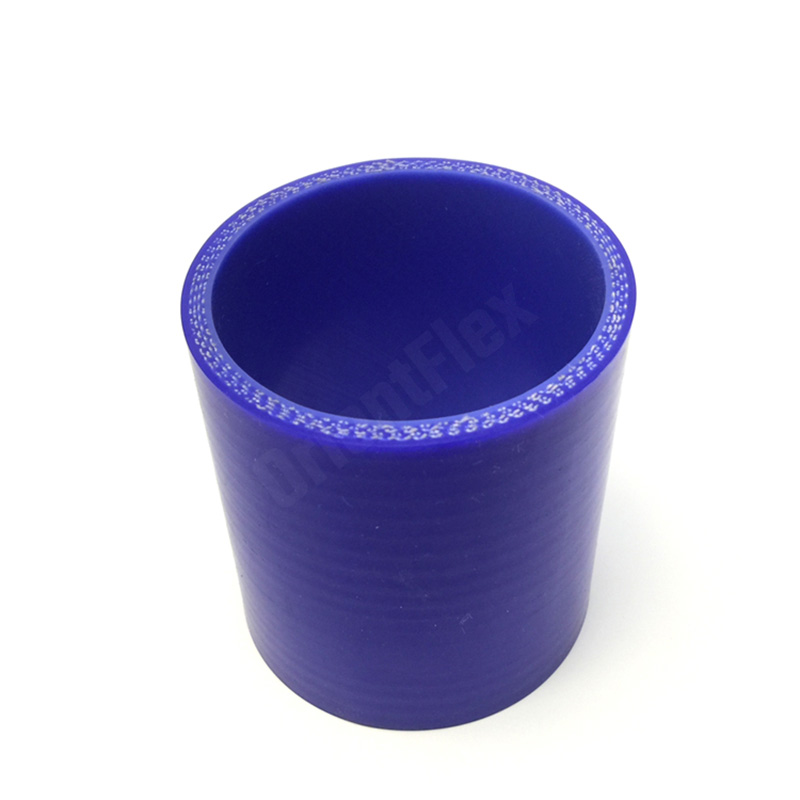
Engineered with multi-ply polyester braid or stainless steel wire helix reinforcements to maintain structural integrity under high pressure and full vacuum conditions.
Commercial & Industrial Status of Food-Grade Fluid Transfer
The global food and beverage processing equipment market is witnessing rapid expansion, driven by stringent hygiene regulations such as the Food Safety Modernization Act (FSMA) in the United States and European Union directives (EC 1935/2004). Globally, processing facilities are shifting away from traditional PVC and low-grade rubber hoses toward advanced silicone elastomers.
While PVC hoses remain common for basic water transfer, their susceptibility to plasticizer leaching and cracking under high temperatures makes them unsuitable for high-purity food processing. Silicone hoses, despite a higher initial capital cost, offer a significantly lower Total Cost of Ownership (TCO). Their extended service life, resistance to degradation from fats and oils, and compatibility with aggressive sanitizers minimize downtime caused by hose failures and fluid contamination recalls.
Key Technological Trends Shaping the Market
Innovations in material science have paved the way for next-generation silicone hose designs. One of the most significant trends is the adoption of co-extruded hoses featuring specialized inner liners. For instance, combining a smooth, low-friction PTFE or FEP inner layer with a highly flexible silicone outer jacket allows processors to handle highly viscous or acidic fluids while maintaining the flexibility and ease of handling that silicone is known for.
Additionally, the integration of smart tracking systems, such as RFID chips embedded in the hose cuffs, is becoming a standard practice in smart factories. This allows maintenance teams to track the hose's service life, CIP cycles, and compliance history in real-time, preventing catastrophic failures before they occur.
Deep-Dive Application Scenarios
Silicone hoses are deployed in diverse, demanding applications throughout the food and beverage production cycle. Understanding these specific scenarios highlights the engineering requirements of these versatile transfer lines.
1. Dairy & Milk Processing
Dairy products are highly sensitive to bacterial growth and chemical contamination. The fats and proteins in milk can quickly degrade inferior rubber hoses, leading to microscopic cracks where bacteria can multiply. Platinum-cured silicone hoses feature an ultra-smooth inner bore that resists fat absorption and prevents bacterial adhesion. They can withstand daily CIP cycles using hot caustic solutions followed by nitric acid washes without swelling or degrading.
2. Brewing, Wine & Spirits Production
In breweries and distilleries, maintaining the flavor profile of the beverage is paramount. Standard industrial hoses can impart a plastic or chemical taste (organoleptic contamination). Silicone hoses are completely inert, ensuring that the subtle flavor notes of craft beers and fine wines remain untouched. Furthermore, their high temperature resistance makes them perfect for transferring boiling wort during the brewing process.
3. Viscous Foodstuff Transfer
Handling thick, high-viscosity products like chocolate, honey, molasses, and heavy syrups requires high-pressure pumping systems. Standard hoses can collapse under suction or balloon under positive pressure. Silicone hoses reinforced with a high-tensile stainless steel wire helix provide the necessary vacuum resistance and pressure rating (often exceeding 150 PSI depending on size) to ensure a smooth, continuous flow of high-viscosity products.
4. Beverage Dispensing & Filling Lines
At the final stage of production, filling lines require highly flexible, lightweight hoses that can handle repetitive motion without fatiguing. Unreinforced or braid-reinforced silicone tubing is widely used in peristaltic pumps for precise dosing of flavors, colorants, and preservatives, as well as in the final filling nozzles of bottling lines.
Hebei Orient ADMA Tech Group Co., Ltd.
Who We Are
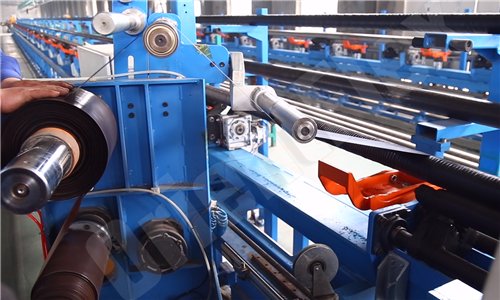
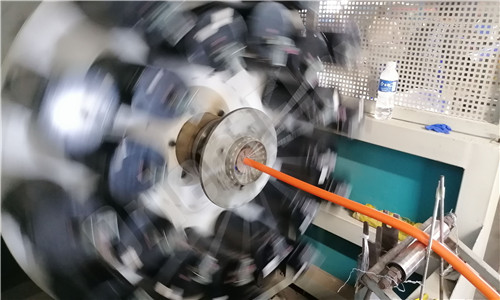
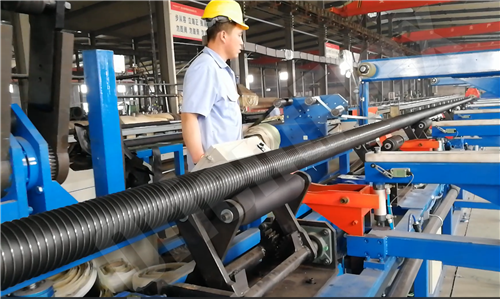
Hebei Orient Rubber & Plastic Co., Ltd. was set up in 2010. We are a manufacturer integrating produce and export hoses and fittings. For our product, we have 5 series and more than 150 types. The 5 series include industrial hose, thermoplastic hose, hydraulic hose, silicone hose and auto hose. After 13 years' high speed development, we became a group company in 2023.
Development History
At the beginning of our establishment in 2010, we had just 10 members. But after 14 years' development, we have over 180 people now. Meanwhile, we constantly expand the scale of our factory. Besides, we constantly improve our technology and update advanced equipment. As a result, our production efficiency has been greatly improved, while our products become better and better. And now, our supply capacity reaches 100 containers per month.
Our Strengths


Maintenance, Cleaning, and Lifetime Optimization
Proper maintenance of silicone hoses is critical to ensuring food safety and extending the lifecycle of the fluid transfer assembly. Although silicone is highly durable, it can be damaged by improper cleaning protocols or mechanical abuse.
Clean-In-Place (CIP) & Steam-In-Place (SIP) Guidelines
Processing plants rely on CIP and SIP cycles to sterilize equipment without disassembly. When using silicone hoses, it is crucial to monitor the temperature and chemical concentrations during these cycles:
- Chemical Compatibility: Silicone exhibits excellent resistance to weak acids and bases. However, exposure to concentrated nitric or sulfuric acid, as well as chlorinated solvents, can cause swelling and degradation. Always verify chemical compatibility charts before running CIP cycles.
- Temperature Limits: During SIP cycles, superheated steam is passed through the system. Ensure that the steam temperature does not exceed the hose's maximum rated temperature (typically +200°C). Prolonged exposure to steam at excessive temperatures can cause the silicone to harden and crack.
- Physical Inspection: Hoses should be inspected regularly for signs of wear, including discoloration, stickiness, external abrasions, or kinking. Any hose showing signs of structural compromise must be replaced immediately to prevent contamination or line failure.
Complete Industrial Hose Catalog