Featured Filtration & Circulation Hoses
1. Introduction: The Critical Role of Fluid Conduits in Aquatic Systems
Modern swimming pool water filtration and circulation systems demand robust, high-performance fluid transfer components to maintain safety, hygiene, and continuous operation. In both residential and commercial pool installations, water circulation loops are subjected to a complex combination of stressors. These include aggressive sanitizing chemicals (such as chlorine, bromine, and ozone), variable thermal dynamics, high mechanical vibrations from powerful circulation pumps, and constant exposure to ultraviolet (UV) radiation. Traditional PVC or standard EPDM rubber hoses, while historically popular, increasingly struggle to meet the strict performance and environmental standards of contemporary aquatic engineering.
Silicone hoses have emerged as the premier material solution for high-end swimming pool filtration and circulation systems. Thanks to their inorganic silicon-oxygen backbone, silicone elastomers offer inherent advantages in thermal stability, chemical inertness, and structural flexibility. Unlike traditional plastics, silicone does not rely on plasticizers to remain flexible. This prevents the material from becoming brittle over time and eliminates the risk of toxic chemicals leaching into the pool water—a critical consideration for modern, health-conscious pool operations.
Did You Know?
Standard PVC hoses degrade rapidly under constant UV exposure and chlorine contact, releasing phthalates and microplastics into the pool water. High-grade silicone hoses completely eliminate this risk, ensuring pristine water quality and a longer system lifespan.
2. Industrial & Commercial Status of Pool Filtration Systems
The global swimming pool and spa industry is undergoing a significant transition toward sustainability, energy efficiency, and low-maintenance designs. Commercial water parks, municipal pools, luxury resort complexes, and private residential pools are adopting advanced variable-speed pumps, high-capacity sand and cartridge filters, and automated chemical dosing systems. To support these sophisticated setups, engineering specifications are shifting away from rigid PVC piping in favor of flexible, high-durability elastomeric connections.
From a commercial perspective, downtime in public or resort pools translates directly to lost revenue. Rigid piping systems are prone to cracking due to ground settling, thermal expansion, or pump vibration. By integrating high-grade silicone hoses at critical connection points, pool operators can absorb kinetic stress and prevent catastrophic pipe failures. Furthermore, the global regulatory landscape is tightening. Standardizing agencies such as the NSF (National Sanitation Foundation), FDA, and European REACH regulations mandate that materials in contact with recreational water must meet strict non-toxicity criteria. Food-grade and medical-grade silicone formulations easily comply with these standards, driving their adoption among leading pool equipment manufacturers worldwide.
3. Deep Application Scenarios of Silicone Hoses in Pool Systems
Silicone hoses are not merely general-purpose tubes; they are highly engineered components tailored for specific, demanding roles within the filtration and circulation loop. Below, we analyze the critical application scenarios where silicone outperforms all traditional materials.
3.1. High-Vibration Pump and Filter Decoupling
Swimming pool circulation pumps operate at high RPMs to move thousands of gallons of water daily. This mechanical action generates continuous vibration. When pumps are connected directly to rigid PVC pipes, these vibrations travel through the entire plumbing network, leading to loosened joints, noisy operation, and eventual stress cracks in filter tanks or pipe welds. Installing a reinforced silicone hose coupler between the pump outlet and the filter inlet acts as a highly effective vibration dampener. The elastomeric nature of silicone absorbs kinetic energy, isolates the pump's mechanical hum, and protects the structural integrity of expensive filtration equipment.
3.2. Solar Heating and Heat Pump Integration
Thermal regulation is essential for extending the swimming season. Pool heat pumps and solar collectors heat the water before returning it to the pool. Solar heating loops, in particular, can experience extreme temperature surges. On hot summer days when water flow is temporarily paused, temperatures inside solar collectors can soar to over 90°C (194°F). Standard PVC hoses soften and fail under these conditions. Silicone hoses, capable of withstanding temperatures from -60°C up to +200°C, handle these thermal spikes with ease. Their low thermal expansion coefficient ensures they remain structurally sound and pressure-resistant, preventing blowouts at connection headers.
3.3. Chemical Dosing and Sanitization Lines
Maintaining chemical balance is the most challenging aspect of pool management. Automated dosing systems continuously inject concentrated chlorine (sodium hypochlorite), muriatic acid (hydrochloric acid), or bromine into the return line. At the injection point, chemical concentrations are extremely high and corrosive. EPDM and other standard rubbers degrade rapidly under these conditions, hardening and cracking. Fluorosilicone or multi-ply reinforced silicone hoses offer outstanding resistance to acids, bases, and oxidizing agents, ensuring that chemical delivery remains secure and leak-free, protecting pool maintenance staff and equipment rooms from hazardous chemical spills.
3.4. Ozone and UV Sterilization Loops
To reduce chlorine consumption, modern pools utilize secondary sanitation systems like ozone generators and UV sterilizers. Ozone is a powerful oxidizer that destroys organic contaminants, but it is also highly destructive to standard piping materials. EPDM and PVC exposed to ozone undergo rapid oxidation, leading to material degradation and leaks. Silicone possesses exceptional ozone and UV resistance. Utilizing silicone hoses within the ozone injection loop ensures long-term performance without material degradation, maintaining the integrity of the advanced sanitation system.
4. Future Development Trends: Smart Pools and Advanced Materials
As the pool industry moves toward "smart pool" ecosystems, component design is evolving to match. The integration of IoT sensors, automated valves, and remote monitoring systems requires piping components that are highly reliable and maintenance-free. Future development trends for silicone hoses in this sector include:
- Antimicrobial Inner Liners: Co-extruded silicone hoses featuring silver-ion or other antimicrobial additives on the inner liner to prevent the formation of biofilm and algae, thereby reducing the chemical load required for pool sanitization.
- Color-Coded Diagnostic Hoses: Multi-layered hoses with distinct color codings (e.g., blue for suction, red for return, yellow for chemical feed) to simplify installation, prevent routing errors, and assist technicians during system maintenance.
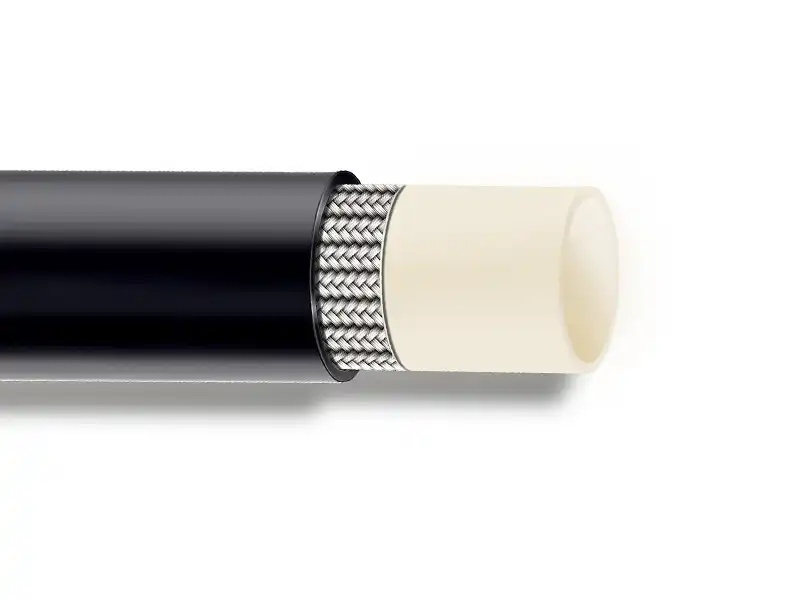
- Textile and Wire Hybrid Reinforcements: Combining polyester or aramid braiding with helical stainless-steel wire reinforcement to allow hoses to handle both high positive pressure (from multi-horsepower pumps) and full vacuum suction (during backwashing or vacuuming) without collapsing.
By investing in premium silicone hose technology, commercial pool operators and residential pool owners can future-proof their systems, ensuring compliance with upcoming environmental regulations and achieving a lower total cost of ownership over the lifetime of the installation.
Hebei Orient ADMA Tech Group Co., Ltd.
Who We Are
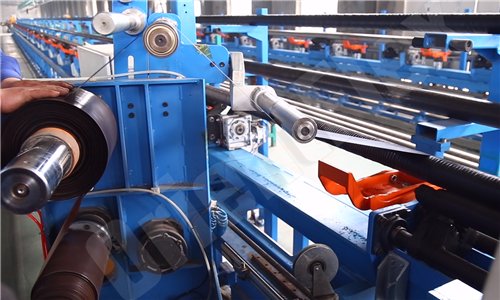
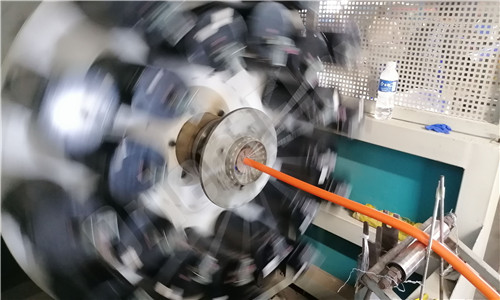
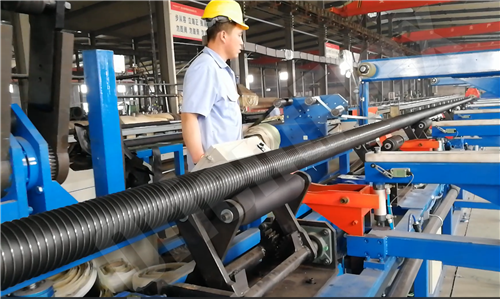
Hebei Orient Rubber & Plastic Co., Ltd. was set up in 2010. We are a manufacturer integrating produce and export hoses and fittings. For our product, we have 5 series and more than 150 types. The 5 series include industrial hose, thermoplastic hose, hydraulic hose, silicone hose and auto hose. After 13 years' high speed development, we become a group company in 2023.
Development History
At the beginning of our establishment in 2010, we have just 10 members. But after 14 year’s develop, we have over 180 people now. Meanwhile, we constantly expand the scale our factory. Besides, we constantly improve our technology and update advanced equipment. As a result, our production efficiency has been greatly improved. While our products become better and better. And now, our supply capacity reaches 100 containers per month.


Our Strengths
We pride ourselves on providing high-quality fluid transfer solutions supported by robust manufacturing capabilities and global service standards.